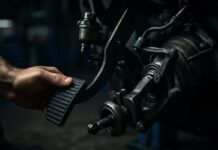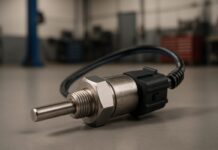
The Renault Trafic problems affecting British van owners range from minor electrical glitches to major powertrain failures that can sideline your commercial vehicle. Understanding these issues helps prevent costly breakdowns and keeps your business running smoothly. Our Autopartspro specialists have identified the most frequent faults plaguing Trafic models across different generations.
Engine overheating issues
Renault Trafic engines are prone to overheating problems that can cause severe damage if ignored. The most common culprit is a faulty thermostat that fails to regulate coolant flow properly.
Signs include temperature gauge readings above normal, steam from the bonnet, and reduced heater performance. The EGR valve often becomes clogged with carbon deposits, restricting airflow and contributing to overheating. Additionally, coolant leaks from the expansion tank or radiator connections create low coolant levels.
Water pump failures occur frequently around 80,000 miles, causing inadequate coolant circulation. The radiator fan may stop working due to electrical faults or motor failure. Blocked radiator cores from debris buildup reduce cooling efficiency significantly.
Always check coolant levels weekly during summer months when overheating risks increase dramatically.
Diesel particulate filter (DPF) blockages
DPF problems plague modern Trafic diesel engines, especially vehicles used for short urban journeys. The filter becomes clogged with soot particles when the regeneration cycle cannot complete properly due to insufficient engine temperatures.
Warning signs include reduced power output, increased fuel consumption, and dashboard warning lights. Black smoke from the exhaust indicates severe blockage requiring immediate attention. Engine misfiring and rough idling often accompany advanced DPF problems.
Commercial operators frequently experience DPF issues because stop-start driving patterns prevent proper filter cleaning. The particulate filter requires highway driving at sustained speeds to burn off accumulated particles effectively.
Professional DPF cleaning costs between £200-400, whilst replacement filters can exceed £1,500. Regular motorway journeys help prevent blockages naturally.
Turbocharger failures
Turbocharger problems affect Renault Trafic diesel engines, particularly high-mileage vehicles. Oil starvation causes bearing wear and eventual turbo failure. Contaminated oil accelerates component degradation significantly.
Symptoms include whistling noises during acceleration, blue exhaust smoke, and noticeable power loss. Metal debris in the oil indicates internal turbocharger damage requiring immediate replacement. Loss of boost pressure affects performance dramatically.
Poor maintenance schedules contribute to premature turbo failure. Using incorrect oil specifications damages internal components. The turbocharger requires clean, high-quality oil for proper lubrication and cooling.
Change oil every 12,000 miles maximum to prevent costly turbocharger damage and extend component lifespan.
Gearbox and clutch problems
Manual gearbox issues plague Renault Trafic vans, especially models with higher mileage. Gear selection becomes difficult due to worn synchromesh rings and clutch linkage problems. Second gear commonly becomes hard to engage.
Clutch failures occur frequently around 60,000-80,000 miles depending on driving conditions. Heavy loads and frequent stop-start driving accelerate clutch wear significantly. Clutch slippage indicates immediate replacement needs.
The dual-mass flywheel often fails alongside the clutch assembly, creating expensive repair bills. Grinding noises during gear changes suggest transmission bearing wear. Oil leaks from gearbox seals cause contamination and component damage.
Electrical system malfunctions
Electrical problems affect various Trafic systems, from basic lighting to complex engine management. Dashboard warning lights illuminate without apparent cause. Central locking systems fail intermittently.
Battery drain issues occur due to faulty alternator charging or parasitic power draws. Starter motor failures prevent engine starting, particularly during cold weather conditions. Wiring harness deterioration causes intermittent faults.
The body control module experiences software glitches affecting multiple vehicle functions. Sensor failures trigger false warning lights and performance restrictions. Corroded connections create unreliable electrical contact.
Warning signs your car has a problem
Recognising early warning signs prevents minor issues becoming major repairs. Here are key indicators requiring immediate attention:
- Unusual engine noises during operation
- Smoke colours indicating different problems
- Dashboard warning lights staying illuminated
- Vibrations during driving or idling
- Fluid leaks beneath the vehicle
- Poor fuel economy compared to normal
How to fix the problems
| Problem | Solution | Estimated Cost |
|---|---|---|
| Engine overheating | Replace thermostat, check coolant levels | £80-200 |
| DPF blockage | Professional cleaning or replacement | £200-1500 |
| Turbocharger failure | Replace turbo unit, change oil | £800-2000 |
| Clutch problems | Full clutch kit replacement | £600-1200 |
| Electrical faults | Diagnose and repair specific components | £100-500 |
When to see a mechanic
Certain symptoms require immediate professional attention to prevent catastrophic damage. Engine overheating needs urgent diagnosis before permanent damage occurs. Strange noises from the gearbox indicate transmission problems requiring expert assessment.
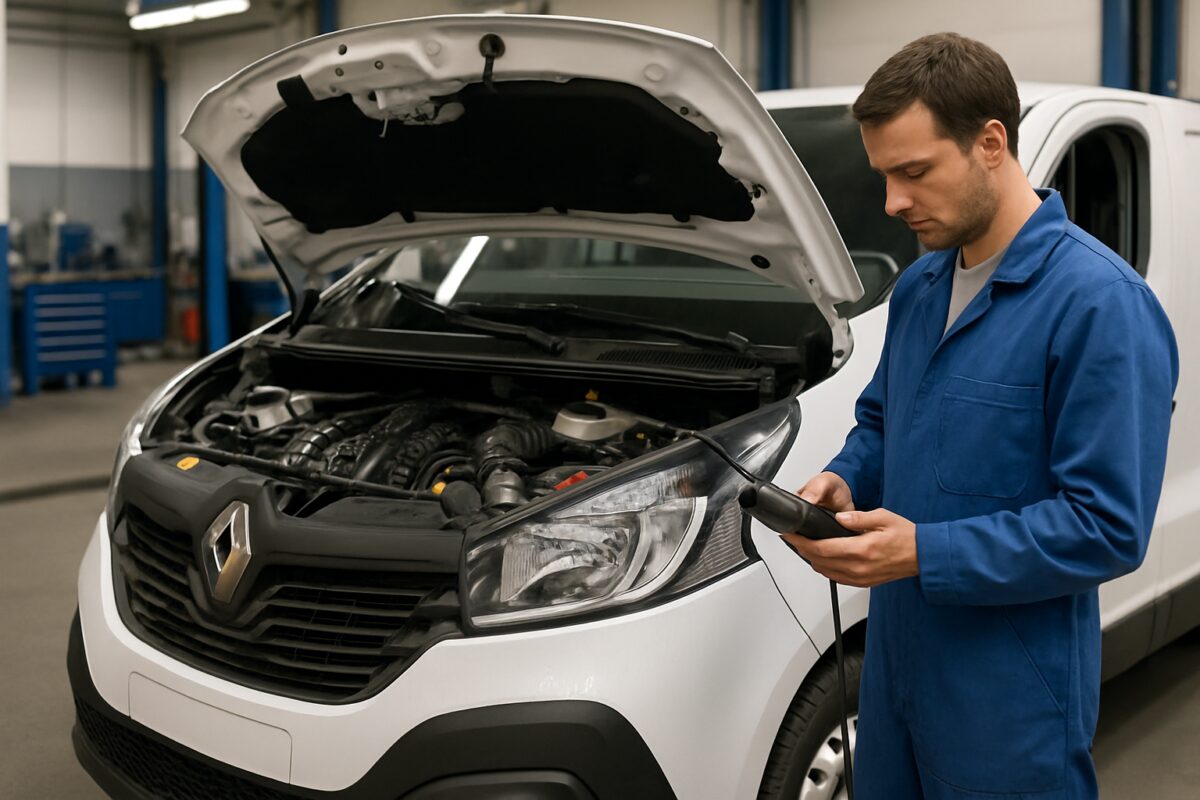
Persistent warning lights suggest underlying issues that diagnostic equipment can identify accurately. Loss of power during driving creates safety concerns requiring immediate investigation. Unusual vibrations may indicate serious mechanical problems.
Our Autopartspro mechanics recommend professional diagnosis when multiple symptoms appear simultaneously. Complex electrical faults require specialist diagnostic tools and expertise. Professional assessment saves money by identifying root causes rather than treating symptoms.
Frequently asked questions (FAQ)
What are the most common Renault Trafic problems?
Engine overheating, DPF blockages, turbocharger failures, gearbox issues, and electrical system malfunctions represent the most frequent problems affecting Renault Trafic vans across different model years and engine variants.
How much does Renault Trafic maintenance cost annually?
Annual maintenance costs range from £800-1500 depending on mileage and usage patterns. Commercial vehicles require more frequent servicing due to demanding operating conditions and higher component wear rates.
When should I replace the DPF on my Trafic?
DPF replacement becomes necessary after 100,000-120,000 miles typically. However, urban driving patterns and poor maintenance can reduce lifespan significantly, requiring earlier replacement or professional cleaning services to restore function.
Are Renault Trafic engines reliable long-term?
With proper maintenance, Trafic engines achieve 200,000+ miles reliably. However, neglected servicing, poor quality engine oil, and harsh operating conditions significantly reduce longevity and increase repair costs.
What causes frequent clutch failures in Renault Trafic vans?
Heavy payload carrying, frequent stop-start driving, and poor clutch technique accelerate wear significantly. Dual-mass flywheel failures often accompany clutch problems, creating expensive combined replacement costs for commercial operators.
Final recommendation
Renault Trafic problems require proactive maintenance and quality replacement parts to ensure reliable operation. Regular servicing prevents minor issues escalating into expensive repairs that sideline your commercial vehicle unexpectedly.
Our Autopartspro specialists recommend using OEM-quality components for critical repairs like clutch replacement and turbocharger servicing. Quality parts provide superior longevity compared to budget alternatives, reducing total ownership costs significantly. Professional diagnosis identifies root causes rather than treating symptoms, ensuring effective repairs that prevent recurring problems. Invest in proper maintenance schedules and quality components to maximise your Trafic’s commercial lifespan and minimise unexpected downtime costs.

 Loading...