The Fiat Freemont, based on the Dodge Journey platform, has carved out a niche in the UK market as a seven-seater family SUV. However, our Autopartspro mechanics frequently encounter specific issues with this model that owners should be aware of to maintain optimal performance and safety.
Dual-clutch transmission failures
The most common problem affecting Fiat Freemonts involves the dual-clutch transmission system. This sophisticated gearbox technology, whilst offering smooth gear changes when functioning correctly, suffers from premature clutch wear and hydraulic system failures.
Symptoms typically begin with rough gear changes during low-speed manoeuvres, particularly when parking or navigating traffic. The transmission may exhibit jerky behaviour when engaging first gear from a standstill, followed by hesitation during acceleration phases.
Our specialists at Autopartspro have observed that the hydraulic actuator within the transmission often fails around 60,000-80,000 miles. This component controls clutch engagement and disengagement, and when it malfunctions, the vehicle may experience complete transmission failure without warning.
The issue stems from inadequate sealing within the hydraulic system, allowing moisture contamination that degrades the transmission fluid. Regular transmission fluid changes every 40,000 miles can help prevent premature failure, though many owners are unaware of this requirement.
Air conditioning compressor malfunctions
Fiat Freemont models frequently suffer from air conditioning system failures, particularly affecting the compressor unit. This problem typically manifests during the third or fourth year of ownership, regardless of mileage.
The primary cause involves inadequate refrigerant circulation due to blocked expansion valves and contaminated refrigerant lines. When the system operates under these conditions, the compressor experiences increased load, leading to internal component wear and eventual seizure.
Early warning signs include reduced cooling efficiency, unusual noises from the engine bay when the air conditioning operates, and intermittent cold air delivery. The compressor clutch may also slip, causing the serpentine belt to wear prematurely.
Our technicians recommend annual air conditioning system inspections, including refrigerant level checks and condenser cleaning. Replacing the cabin filter every 12,000 miles also helps maintain system efficiency and prevents debris accumulation.
Electronic throttle body failures
The electronic throttle control system in Fiat Freemonts demonstrates reliability issues, particularly in vehicles approaching 100,000 miles. This system replaces traditional cable-operated throttles with electronic sensors and actuators, providing more precise engine control but introducing additional failure points.
Throttle body contamination represents the most frequent cause of problems. Carbon deposits accumulate on the throttle plate and housing, restricting airflow and causing erratic engine behaviour. The vehicle may experience rough idling, unexpected stalling, and reduced power output.
Additionally, the throttle position sensor within the throttle body assembly can drift from its calibrated settings, causing the engine management system to receive incorrect airflow data. This results in poor fuel economy, emission system faults, and potential MOT failures.
Regular cleaning of the throttle body every 30,000 miles helps prevent carbon accumulation. However, when electronic components fail, complete throttle body replacement becomes necessary, typically costing between £300-£500 including labour.
Suspension component wear
Fiat Freemont suspension systems show accelerated wear patterns, particularly affecting the front shock absorbers and suspension arms. This premature wear stems from the vehicle’s weight distribution and inadequate component sizing for UK road conditions.
The front suspension experiences excessive stress due to the engine’s position and weight, causing shock absorber seals to fail prematurely. Oil leakage from the dampers reduces their effectiveness, leading to poor ride quality and increased tyre wear.
Suspension arm bushings also deteriorate rapidly, particularly the lower control arm bushings. When these components fail, the vehicle exhibits wandering steering, increased road noise, and uneven tyre wear patterns. The problem becomes most noticeable during motorway driving, where the steering wheel may vibrate or require constant correction.
Our mechanics recommend inspecting suspension components every 20,000 miles and replacing suspension bushings as soon as wear becomes apparent. Delaying replacement can lead to more extensive damage and higher repair costs.
Warning signs your car has a problem
Recognising early symptoms can prevent minor issues from becoming major repairs. Pay attention to these critical warning signs:
- Transmission hesitation during gear changes or jerky movements when accelerating
- Reduced air conditioning performance or unusual noises from the engine bay
- Engine roughness, stalling, or reduced power during acceleration
- Steering wheel vibration, wandering, or excessive road noise
- Uneven tyre wear patterns or rapid tyre deterioration
- Dashboard warning lights, particularly transmission or engine management warnings
- Unusual fluid leaks beneath the vehicle
- Changes in fuel consumption or emission system warnings
- Grinding, clicking, or whining noises during operation
How to fix the problems
| Problem | Solution | Estimated Cost |
|---|---|---|
| Transmission failure | Hydraulic actuator replacement or complete transmission rebuild | £2,500-£4,500 |
| Air conditioning compressor | Compressor replacement with system flush and refrigerant recharge | £600-£1,200 |
| Throttle body malfunction | Cleaning or complete throttle body replacement | £50-£500 |
| Suspension wear | Shock absorber and bushing replacement | £400-£800 |
“Always address transmission issues immediately – delaying repairs can turn a £500 hydraulic actuator replacement into a £4,000 complete transmission rebuild.” – Autopartspro Senior Technician
| Maintenance Task | Frequency | Benefit |
|---|---|---|
| Transmission fluid change | Every 40,000 miles | Prevents hydraulic system contamination |
| Throttle body cleaning | Every 30,000 miles | Maintains proper airflow and engine performance |
| Suspension inspection | Every 20,000 miles | Identifies wear before complete component failure |
| Air conditioning service | Annually | Ensures system efficiency and prevents compressor damage |
“Regular preventive maintenance costs significantly less than emergency repairs – a £50 throttle body cleaning can prevent a £500 replacement.” – Autopartspro Diagnostic Specialist
When to see a mechanic
Certain symptoms require immediate professional attention to prevent safety hazards or extensive damage. Contact a qualified technician immediately if you experience complete transmission failure, where the vehicle cannot engage any gears or exhibits severe jerking during operation.
Air conditioning problems warrant professional diagnosis when the system produces no cold air or exhibits unusual noises. Attempting DIY repairs on pressurised refrigerant systems can be dangerous and may cause environmental damage.
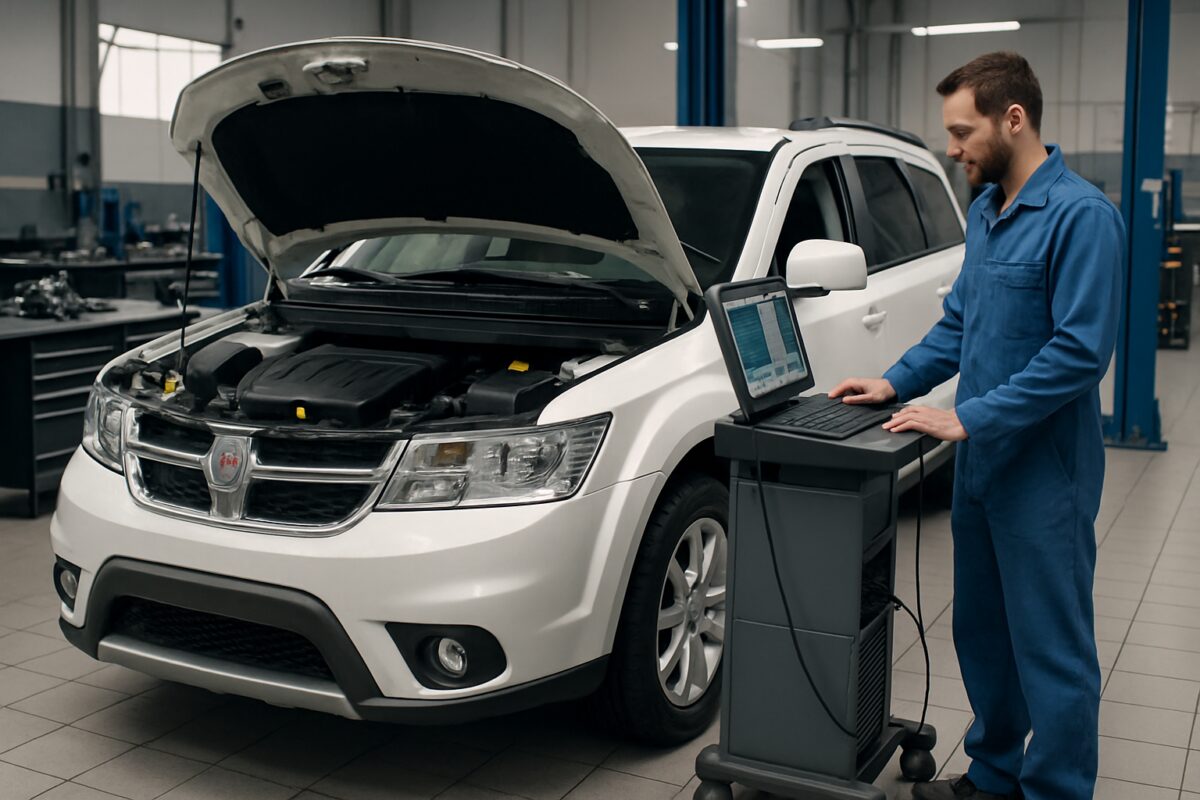
Engine management warning lights should never be ignored, as they often indicate emissions system problems that can cause MOT failures. Professional diagnostic equipment is required to accurately identify fault codes and determine appropriate repairs.
Suspension issues become urgent when they affect vehicle handling or cause rapid tyre wear. Poor suspension can compromise braking performance and vehicle stability, creating safety risks for occupants and other road users.
Frequently asked questions
How reliable is the Fiat Freemont compared to other seven-seaters?
The Freemont ranks below average for reliability, with transmission and air conditioning issues affecting many vehicles after 60,000 miles.
Can I prevent transmission problems with regular servicing?
Regular transmission fluid changes every 40,000 miles significantly reduce failure risk, though some issues may still occur due to design limitations.
What’s the average repair cost for major Freemont problems?
Major repairs typically cost £600-£4,500, with transmission rebuilds representing the highest expense for most owners.
Should I buy a used Fiat Freemont with high mileage?
Vehicles over 80,000 miles carry higher risk for transmission failure. Ensure comprehensive inspection and service history before purchasing.
How often should I service my Fiat Freemont?
Follow manufacturer intervals but consider more frequent transmission and air conditioning servicing to prevent premature component failure.
Final recommendation
The Fiat Freemont offers practical family transport but requires proactive maintenance to avoid costly repairs. Our Autopartspro specialists recommend establishing a preventive maintenance schedule that exceeds manufacturer recommendations, particularly for transmission and air conditioning systems.
Focus on early problem detection through regular inspections and address issues promptly before they escalate. With proper care and quality replacement parts, the Freemont can provide reliable service, though owners should budget for higher maintenance costs compared to more reliable alternatives.
Consider extending warranty coverage if purchasing used, and ensure any garage servicing your vehicle understands the specific requirements of dual-clutch transmission systems. Quality parts and specialist knowledge make the difference between minor maintenance and major expense.

 Loading...