The suspension ball joint is a critical component that connects your vehicle’s control arms to the steering knuckles, allowing for smooth wheel movement whilst maintaining proper wheel alignment. When these joints fail, you’ll experience clunking noises, uneven tyre wear, and potentially dangerous steering instability that can compromise your safety on UK roads.
Ball joints serve as the pivot points between your car’s suspension and steering systems. Think of them as the shoulders and hips of your vehicle’s suspension – they need to move freely in multiple directions whilst supporting the weight of your car. Without properly functioning ball joints, your wheels can’t maintain proper contact with the road surface.
How suspension ball joints work in your vehicle
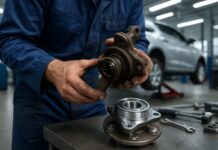
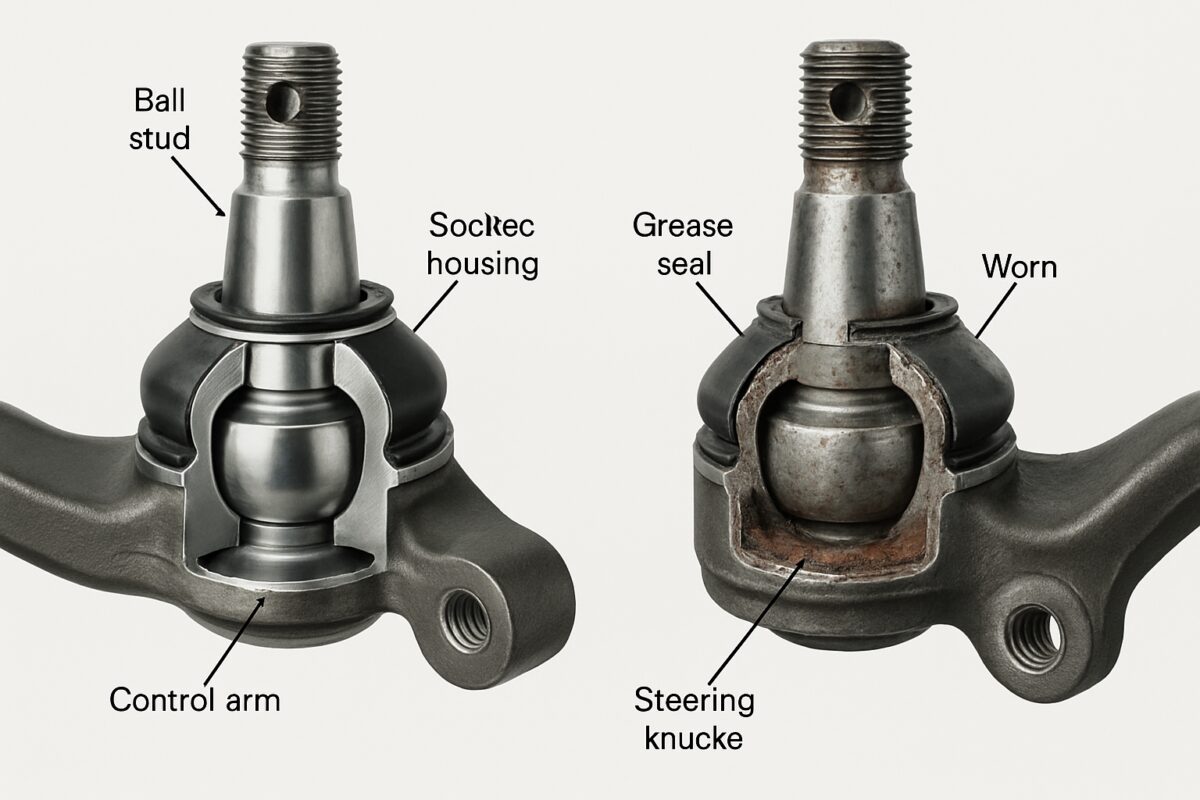
A ball joint consists of a metal ball housed within a socket, similar to a human hip joint. This design allows the wheel assembly to move up and down with suspension travel whilst simultaneously turning left and right for steering. The ball stud connects to the steering knuckle, whilst the housing bolts to the control arm.
Most modern vehicles use two types of ball joints per wheel:
- Upper ball joints: Located on the upper control arm, these handle steering loads
- Lower ball joints: Mounted on the lower control arm, these bear the vehicle’s weight
The joint’s socket contains grease to lubricate the ball, whilst a rubber boot seals out dirt and moisture. This sealed design means most ball joints require no regular maintenance, but it also makes them vulnerable to failure if the boot tears.
Primary functions of ball joints in suspension systems
Ball joints perform several crucial functions that directly affect your vehicle’s handling and safety. Understanding these roles helps explain why failure symptoms appear gradually and why replacement becomes urgent once problems develop.
The primary functions include:
- Weight distribution: Lower ball joints support your vehicle’s weight whilst allowing suspension movement
- Steering precision: Upper ball joints enable accurate wheel positioning during turns
- Suspension articulation: Both joints allow wheels to move independently over bumps and dips
- Wheel alignment maintenance: Ball joints keep wheels positioned correctly relative to the chassis
Additionally, ball joints work alongside other suspension components to absorb road impacts and maintain tyre contact with the road surface. This coordination ensures optimal braking performance and fuel efficiency.
Common symptoms of failing ball joints
Recognising ball joint failure symptoms early can prevent costly damage to other suspension components. According to our AutopartsPro mechanics, most drivers first notice unusual noises before experiencing handling problems.
The most common warning signs include:
- Clunking or knocking sounds: Especially noticeable when driving over bumps or turning at low speeds
- Loose steering feel: The steering wheel may feel vague or require more input than usual
- Uneven tyre wear: Inside or outside edges wearing faster than the centre
- Vehicle pulling: The car drifts to one side when driving straight
- Vibration through the steering wheel: Particularly noticeable at higher speeds
Our specialists at AutopartsPro emphasise that grinding or squealing noises often indicate the ball joint has already suffered significant wear. At this stage, the metal components may be contacting directly, potentially causing damage to the steering knuckle or control arm.
Advanced failure symptoms requiring immediate attention
Severe ball joint deterioration produces more obvious symptoms that demand urgent professional inspection. These include excessive steering wheel play, where you can turn the wheel noticeably before the wheels respond. You might also experience sudden steering changes when hitting bumps or kerbs.
Temperature changes can affect worn ball joints differently. Cold weather may temporarily tighten loose joints, masking symptoms temporarily. However, this doesn’t address the underlying wear, and symptoms typically return as components warm up during driving.
Inspection methods for ball joint condition
Professional mechanics use several techniques to assess ball joint condition accurately. Visual inspection reveals obvious damage like torn boots or corrosion, but functional testing provides the most reliable assessment of joint integrity.
The standard inspection process involves:
| Inspection Type | Method | What It Reveals |
|---|---|---|
| Visual Check | Examine boots and housing | Torn seals, corrosion, obvious damage |
| Shake Test | Grasp tyre and check for play | Excessive movement in joint |
| Lever Test | Use pry bar under control arm | Vertical movement in ball stud |
| Load Test | Check movement under vehicle weight | Load-bearing joint wear |
Our AutopartsPro technicians recommend annual ball joint inspection as part of routine maintenance. This preventive approach identifies developing problems before they become safety hazards or cause additional component damage.
DIY inspection limitations
Whilst keen DIY enthusiasts can perform basic visual checks, comprehensive ball joint assessment requires proper lifting equipment and experience. Incorrect diagnosis might lead to unnecessary replacement or, worse, missing genuine safety issues.
Home mechanics should focus on identifying obvious symptoms like noise or steering problems, then seek professional diagnosis. This approach ensures accurate assessment whilst maintaining safety standards.
Ball joint replacement cost breakdown
Ball joint replacement costs vary significantly based on your vehicle type, joint location, and local labour rates. Our AutopartsPro pricing data shows typical ranges for different scenarios across the UK.
Cost factors include:
| Cost Component | Economy Cars | Premium Vehicles | Performance Cars |
|---|---|---|---|
| Ball Joint Part | £25-50 | £60-120 | £100-250 |
| Labour (per side) | £80-150 | £120-200 | £200-400 |
| Wheel Alignment | £30-50 | £50-80 | £80-150 |
| Total Cost Range | £135-250 | £230-400 | £380-800 |
Upper ball joints typically cost less to replace than lower joints because they don’t bear the vehicle’s weight. However, some vehicles require control arm replacement rather than individual ball joint service, significantly increasing costs.
Many modern cars use sealed ball joints that cannot be separated from the control arm. In these cases, you’ll need to replace the entire suspension arm assembly, which includes the ball joint.
Additional costs to consider
Professional ball joint replacement often requires wheel alignment to ensure proper tracking. This service prevents premature tyre wear and maintains handling characteristics. Some vehicles may also need shock absorber removal for access, potentially adding to labour costs.
Quality replacement parts significantly affect longevity and performance. OEM or equivalent quality joints from reputable manufacturers provide better durability than budget alternatives, making them more cost-effective long-term investments.
“Always replace ball joints in pairs on the same axle. This ensures balanced handling and prevents the remaining joint from failing shortly after the first replacement.” – AutopartsPro Senior Technician
Replacement process and considerations
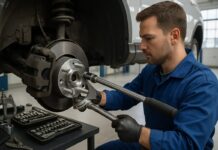
Ball joint replacement requires specialised tools and expertise to perform safely. The process typically involves removing the wheel, disconnecting steering components, and pressing out the old joint. Professional mechanics use hydraulic presses or dedicated pullers to avoid damaging surrounding components.
Key replacement steps include:
- Vehicle lifting and wheel removal
- Brake caliper and rotor removal if necessary
- Steering knuckle disconnection
- Ball joint extraction using proper tools
- New joint installation and torque specification compliance
- Reassembly with new hardware where specified
Our AutopartsPro specialists always recommend replacing related consumables like split pins, lock nuts, and protective boots during ball joint service. These items often sustain damage during disassembly and their failure can compromise the new joint’s longevity.
Post-replacement requirements
Newly installed ball joints require proper break-in procedures and immediate wheel alignment. Most manufacturers specify initial settling periods before final torque checks, ensuring optimal joint seating and performance.
Professional alignment ensures the wheels point in the correct direction and maintain proper angles relative to each other. This service prevents uneven tyre wear and maintains the handling characteristics you expect from your vehicle.
Prevention and maintenance strategies
Whilst ball joints are designed as maintenance-free components, several practices can extend their service life significantly. Understanding these preventive measures helps maximise your investment and maintain vehicle safety.
Effective prevention strategies include:
- Regular inspection: Annual checks during routine servicing
- Gentle driving: Avoiding harsh impacts and aggressive cornering
- Tyre maintenance: Proper inflation reduces suspension stress
- Alignment checks: Correct alignment prevents premature wear
- Quality parts: Using OEM or equivalent replacements when service becomes necessary
Road conditions significantly affect ball joint longevity. Frequent driving on rough surfaces, through potholes, or over speed humps increases wear rates. Urban drivers often experience shorter ball joint life than those primarily using motorways.
Climate also influences component life. Salt exposure from winter road treatments accelerates corrosion, whilst temperature extremes affect rubber boot flexibility. Regular washing, particularly of the underside, helps remove corrosive materials.
When to seek professional help
Certain symptoms demand immediate professional attention regardless of your mechanical experience. Safety-critical components like ball joints shouldn’t be compromised, and delayed repairs often result in more extensive and expensive damage.
Seek immediate professional inspection if you experience sudden steering changes, metallic grinding sounds, or visible wheel movement when the steering wheel remains stationary. These symptoms suggest imminent failure that could result in loss of vehicle control.
Our AutopartsPro network provides comprehensive suspension diagnosis using modern equipment and experienced technicians. This professional approach ensures accurate identification of problems and appropriate solutions, maintaining your vehicle’s safety and reliability.
Remember that proper ball joint maintenance contributes to overall vehicle safety and performance. Quality replacement parts, professional installation, and regular inspection create the foundation for reliable, safe driving. For all your suspension component needs, including ball joints, tie rods, and strut bearings, trust AutopartsPro’s extensive selection and expertise to keep your vehicle performing at its best.
Frequently Asked Questions (FAQ)
How long do ball joints typically last?
Most ball joints last between 70,000-150,000 miles depending on driving conditions, vehicle type, and maintenance. Harsh driving conditions reduce this lifespan significantly.
Can I drive with worn ball joints?
Driving with severely worn ball joints is dangerous and should be avoided. Minor wear allows short-distance driving to reach a garage, but immediate professional inspection is essential.
Do ball joints need regular lubrication?
Modern sealed ball joints require no regular lubrication. Older greaseable joints need periodic greasing, but most current vehicles use maintenance-free designs with permanent lubrication.
Will worn ball joints affect my MOT test?
Yes, excessively worn ball joints will cause MOT failure. Inspectors check for movement, corrosion, and boot condition as part of the suspension assessment.
Should I replace both ball joints simultaneously?
Replace ball joints in pairs on the same axle to ensure balanced handling. If one fails, the other typically shows similar wear and may fail shortly afterwards.

 Loading...