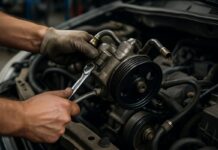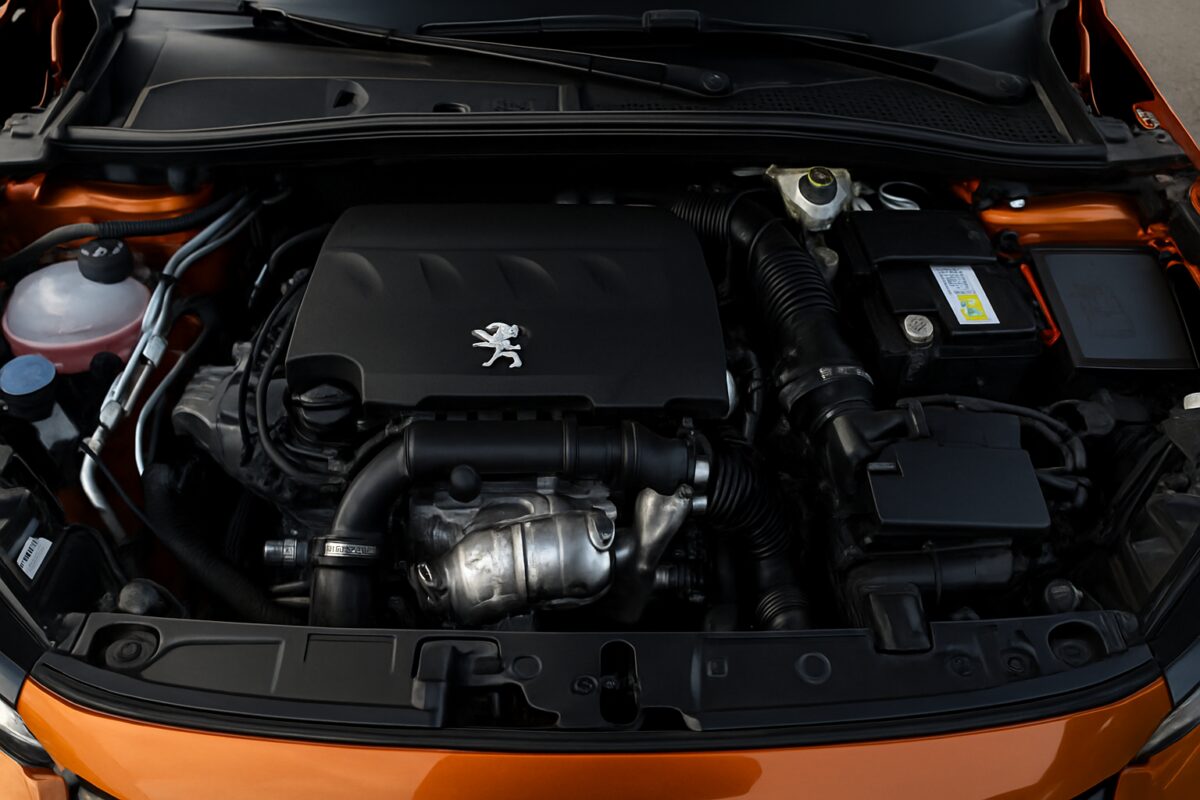
The Peugeot 208 stands as one of France’s most popular supermini choices, competing directly with the Ford Fiesta and Vauxhall Corsa in the hotly contested B-segment. The engine selection plays a crucial role in this vehicle’s appeal, offering buyers a diverse range of powertrains to suit different driving needs and budgets. From efficient three-cylinder petrol units producing 75-130 bhp to reliable diesel options delivering exceptional fuel economy, the 208’s engine lineup provides something for everyone.
Comparison table of all engines
| Engine | Power output | Torque | Fuel consumption | Reliability |
|---|---|---|---|---|
| 1.0 VTi | 68 bhp | 96 Nm | 56.5 mpg | Good |
| 1.2 PureTech 75 | 75 bhp | 118 Nm | 58.9 mpg | Excellent |
| 1.2 PureTech 100 | 100 bhp | 205 Nm | 55.4 mpg | Very Good |
| 1.2 PureTech 130 | 130 bhp | 230 Nm | 52.3 mpg | Good |
| 1.6 BlueHDi 75 | 75 bhp | 230 Nm | 78.5 mpg | Very Good |
| 1.6 BlueHDi 100 | 100 bhp | 254 Nm | 74.3 mpg | Good |
1.0 VTi overview
The 1.0 VTi represents the entry-level petrol option in the 208 range. This naturally aspirated three-cylinder unit displaces 999cc and features multi-point fuel injection. The engine runs on standard unleaded petrol and lacks turbocharging, making it the most basic powerplant available.
Pros
- Low purchase price and insurance costs
- Simple construction means fewer potential issues
- Adequate for urban driving conditions
- Reasonable fuel economy for a non-turbo engine
Cons
- Limited power output struggles on motorways
- Poor refinement with noticeable vibrations
- Lacks torque for overtaking manoeuvres
- Becomes unresponsive when fully loaded
1.2 PureTech 75 overview
The 1.2 PureTech 75 serves as the sweet spot for budget-conscious buyers seeking better refinement than the 1.0 VTi. This turbocharged three-cylinder engine displaces 1199cc and utilises direct fuel injection technology. The unit runs on regular unleaded petrol and features a single turbocharger for improved low-end torque delivery.
“Our mechanics at AutoPartsPro consistently recommend the 1.2 PureTech 75 for first-time buyers. It offers the perfect balance of affordability, reliability, and everyday usability without compromising fuel efficiency.”
Pros
- Excellent fuel economy figures
- Smooth power delivery across the rev range
- Proven reliability in real-world conditions
- Low maintenance requirements
- Good performance for city driving
Cons
- Limited power for motorway driving
- Turbo lag noticeable at low revs
- Three-cylinder thrum audible at idle
1.2 PureTech 100 overview
The 1.2 PureTech 100 builds upon the 75 bhp variant with increased boost pressure and revised engine mapping. This turbocharged three-cylinder powerplant maintains the same 1199cc displacement whilst delivering significantly more performance. The engine features direct injection and runs on standard unleaded petrol with enhanced turbocharging for better mid-range punch.
Pros
- Strong mid-range torque delivery
- Capable motorway performance
- Impressive fuel efficiency despite extra power
- Refined operation compared to naturally aspirated alternatives
Cons
- Higher insurance premiums than base engines
- Turbocharger adds complexity to servicing
- Requires quality engine oil for longevity
1.2 PureTech 130 overview
The flagship 1.2 PureTech 130 delivers the most power from Peugeot’s three-cylinder petrol lineup. This turbocharged unit shares the 1199cc displacement with its siblings but features a larger turbocharger and more aggressive tuning. Direct injection technology and premium unleaded fuel compatibility ensure optimal performance delivery.
“For customers seeking genuine hot hatch performance without the penalty of higher running costs, the 1.2 PureTech 130 represents exceptional value. It transforms the 208 into a genuinely entertaining driver’s car.”
Pros
- Genuine performance capability
- Excellent power-to-weight ratio
- Maintains reasonable fuel economy
- Smooth and refined operation
Cons
- Higher purchase price premium
- Increased insurance costs
- Timing belt requires professional replacement
1.6 BlueHDi 75 overview
The 1.6 BlueHDi 75 represents the entry point into Peugeot’s diesel range. This turbocharged four-cylinder unit displaces 1560cc and features common rail direct injection technology. The engine runs on standard diesel fuel and incorporates selective catalytic reduction (SCR) for emissions compliance.
Pros
- Outstanding fuel economy potential
- Strong low-end torque characteristics
- Excellent for long-distance driving
- Proven durability in commercial applications
Cons
- Higher purchase price than petrol alternatives
- DPF regeneration issues in urban use
- AdBlue consumption adds running costs
- Cold weather starting can be problematic
1.6 BlueHDi 100 overview
The 1.6 BlueHDi 100 offers enhanced performance whilst maintaining diesel’s inherent efficiency advantages. This turbocharged four-cylinder powerplant shares the 1560cc displacement but delivers increased output through revised turbocharger mapping. Common rail injection and diesel particulate filtration ensure modern emissions compliance.
Pros
- Impressive fuel economy figures
- Strong overtaking capability
- Refined operation at cruising speeds
- Excellent for high-mileage drivers
Cons
- Complex emissions control systems
- Regular maintenance essential for DPF health
- Higher service costs than petrol engines
Maintenance cost
| Engine | Recommended Interval | Estimated Cost | Cost per 10,000 miles |
|---|---|---|---|
| 1.0 VTi | 12,500 miles | £180 | £144 |
| 1.2 PureTech 75 | 12,500 miles | £195 | £156 |
| 1.2 PureTech 100 | 12,500 miles | £210 | £168 |
| 1.2 PureTech 130 | 12,500 miles | £225 | £180 |
| 1.6 BlueHDi 75 | 12,500 miles | £275 | £220 |
| 1.6 BlueHDi 100 | 12,500 miles | £295 | £236 |
Regular servicing proves essential for maintaining engine reliability and preserving warranty coverage. Diesel engines require more frequent fuel filter changes and AdBlue top-ups, contributing to higher running costs.
Engine sound and character
The 1.0 VTi produces a characteristic three-cylinder thrum that becomes intrusive under acceleration. Its naturally aspirated nature means a linear power delivery but with limited acoustic appeal. The 1.2 PureTech engines offer significantly better refinement thanks to their turbocharging, creating a more subdued and pleasant sound signature.
The 1.2 PureTech 130 delivers the most engaging audio experience among petrol options, with a sporty note under acceleration that enhances the driving experience. Meanwhile, the BlueHDi diesel units provide typical compression ignition characteristics – quiet at idle but with noticeable diesel clatter under load.
Who each engine is best for
| Engine | Best For |
|---|---|
| 1.0 VTi | Budget-conscious urban drivers |
| 1.2 PureTech 75 | Daily commuters seeking efficiency |
| 1.2 PureTech 100 | Mixed driving patterns |
| 1.2 PureTech 130 | Performance enthusiasts |
| 1.6 BlueHDi 75 | High-mileage budget drivers |
| 1.6 BlueHDi 100 | Long-distance professional users |
Understanding your driving patterns helps determine the most suitable engine choice. Urban drivers benefit from petrol engines’ simplicity, whilst high-mileage users find diesel’s efficiency compelling despite higher maintenance requirements.
Frequently asked questions (FAQ)
Which Peugeot 208 engine offers the best fuel economy?
The 1.6 BlueHDi 75 delivers exceptional fuel economy, achieving up to 78.5 mpg under optimal conditions.
Are timing belt replacements expensive on PureTech engines?
Timing belt changes typically cost £400-600 including labour and should be performed every 100,000 miles.
Do 208 diesel engines suffer from DPF problems?
Short urban journeys can cause DPF blockages. Regular motorway driving helps maintain filter health effectively.
Which engine provides the best performance per pound?
The 1.2 PureTech 100 offers excellent performance value, balancing power delivery with reasonable running costs.
Are three-cylinder engines as reliable as four-cylinder alternatives?
Modern three-cylinder engines demonstrate excellent reliability when maintained correctly with quality spark plugs and filters.

 Loading...