EGR delete involves removing or disabling the Exhaust Gas Recirculation system from your vehicle to potentially improve performance and reduce maintenance costs. However, this modification is illegal for road use in the UK under MOT regulations, carries hefty fines up to £2,500, and can void your insurance coverage whilst potentially increasing emissions and engine wear.
The EGR system recirculates exhaust gases back into the combustion chamber to reduce nitrogen oxide emissions. Many car enthusiasts consider removing this system for various reasons, but understanding the full implications is crucial before making any modifications.
Understanding the EGR system and its purpose
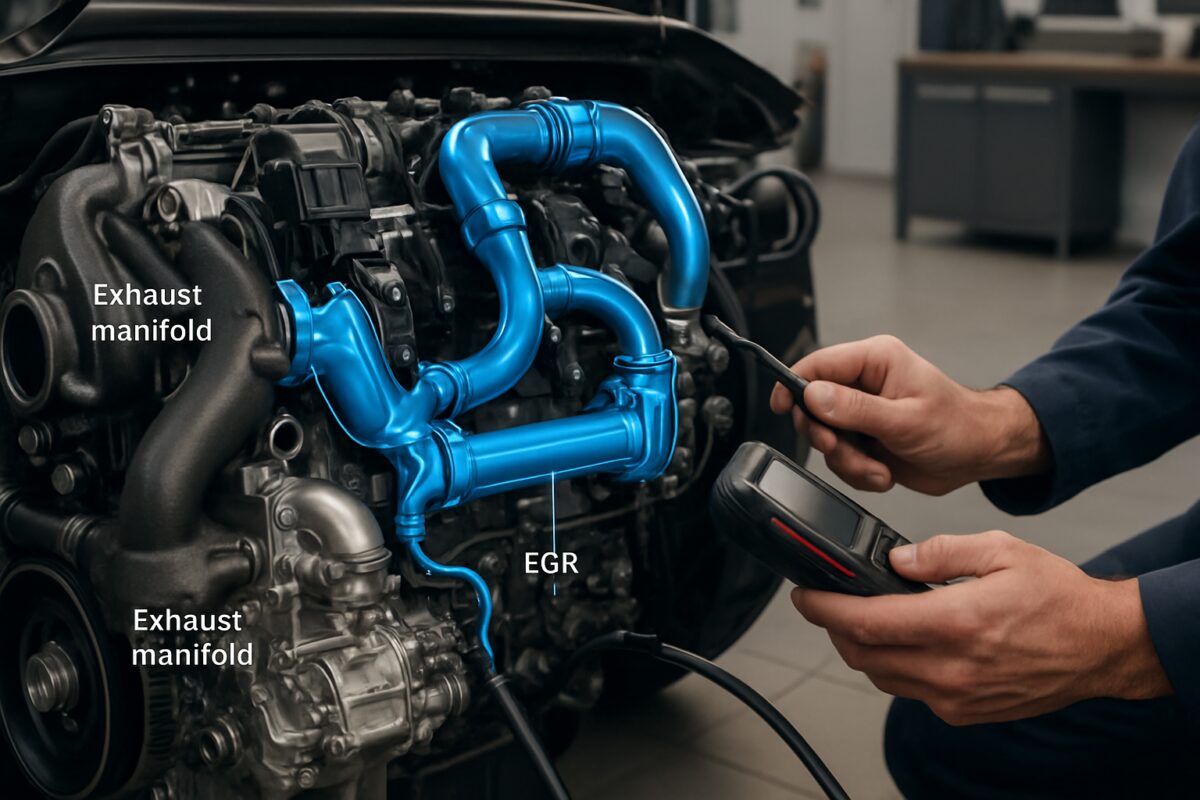
The exhaust gas recirculation valve works by redirecting a portion of exhaust gases back into the engine’s intake manifold. This process lowers combustion temperatures and reduces harmful NOx emissions that contribute to air pollution.
Modern diesel and petrol engines rely heavily on EGR systems to meet Euro emissions standards. The system typically consists of the EGR valve, cooler, and connecting pipework that work together with other emission control components like the catalytic converter and particulate filter.
When the EGR valve opens, it allows exhaust gases to mix with fresh air entering the engine. This diluted mixture burns at lower temperatures, effectively reducing the formation of nitrogen oxides during combustion.
Potential benefits of EGR removal
Proponents of EGR deletion claim several performance and maintenance advantages. Understanding these claimed benefits helps explain why some drivers consider this modification, despite its legal implications.
Performance improvements
Removing the EGR system can potentially increase engine power and throttle response. Without exhaust gases diluting the air-fuel mixture, the engine receives denser, oxygen-rich air for combustion.
Some drivers report improved fuel economy after EGR deletion, particularly in diesel engines. The theory suggests that eliminating hot exhaust gases from the intake charge creates more efficient combustion conditions.
Reduced intake manifold temperatures may allow for more aggressive tuning parameters when combined with other modifications. This appeals particularly to performance enthusiasts seeking maximum power output from their engines.
Maintenance benefits
EGR systems can accumulate carbon deposits over time, particularly in diesel engines. These deposits can clog the inlet manifold and require expensive cleaning or replacement procedures.
Eliminating the EGR system removes one potential failure point from the engine. This can reduce long-term maintenance costs associated with cleaning or replacing EGR components.
The following maintenance issues become non-existent after EGR removal:
- EGR valve carbon build-up and sticking
- EGR cooler failures and coolant leaks
- Intake manifold carbon accumulation
- EGR-related diagnostic trouble codes
- Reduced engine oil contamination from soot
Significant drawbacks and risks
Despite potential benefits, EGR deletion carries substantial risks that extend beyond legal concerns. These drawbacks often outweigh any perceived advantages for most drivers.
Environmental impact
Removing the EGR system significantly increases NOx emissions, contributing to air pollution and acid rain formation. These emissions pose serious health risks, particularly in urban areas with poor air quality.
Modern emission control systems work together as an integrated package. Removing one component can reduce the effectiveness of others, including the O2 sensor and other emission monitoring devices.
The environmental impact extends beyond immediate emissions. Increased NOx levels contribute to ground-level ozone formation and respiratory health problems in surrounding communities.
Technical complications
Modern engine management systems expect EGR operation and may enter limp mode or display warning lights when the system is removed. This requires expensive ECU remapping or additional hardware modifications.
Some engines may experience increased combustion temperatures without EGR, potentially leading to premature wear of components like valves, pistons, and head gaskets.
The following technical issues commonly arise after EGR deletion:
- Engine management light activation
- Diagnostic trouble codes requiring attention
- Potential warranty voiding on related components
- Difficulty passing emissions testing
- Increased engine knock susceptibility
Legal implications in the United Kingdom
The legal landscape surrounding EGR deletion in the UK is clear and unforgiving. Understanding these regulations is essential for any driver considering emission system modifications.
MOT testing requirements
Since 2018, MOT testing in the UK includes visual checks for emission control equipment removal. Testing stations must fail vehicles with obviously missing or tampered emission control systems.
The DVSA guidelines specifically prohibit vehicles from passing MOT tests when emission control equipment has been removed or bypassed. This includes EGR systems, DPFs, and related components.
Even if a vehicle’s emissions fall within acceptable limits during testing, visible removal of emission equipment constitutes an automatic MOT failure under current regulations.
Financial penalties and enforcement
Vehicle owners face fines up to £2,500 for using vehicles with removed emission control equipment on public roads. These penalties apply regardless of whether the modification improved or worsened actual emissions performance.
| Offence | Maximum Fine | Additional Consequences |
|---|---|---|
| EGR removal (private vehicle) | £2,500 | MOT failure, insurance issues |
| Commercial vehicle modifications | £50,000 | Operator licence risks |
| Selling deletion services | Unlimited | Criminal prosecution possible |
Insurance companies may void policies if they discover unauthorised modifications that affect emissions compliance. This leaves drivers personally liable for accident costs and potential criminal charges.
Our experienced mechanics at Autopartspro consistently advise against EGR deletion due to the legal risks and potential for expensive consequences down the line. The short-term gains rarely justify the long-term complications for road-going vehicles.
Professional perspective on EGR modifications
After decades of working with emission control systems, our technical specialists have observed the real-world effects of EGR modifications across various vehicle types and driving conditions.
Expert observations from the workshop
Vehicles arriving with EGR deletions often show patterns of wear that contradict common assumptions about the modification’s benefits. Higher combustion temperatures frequently accelerate valve seat recession and increase the likelihood of exhaust valve problems.
We’ve noticed that many customers seeking EGR deletion actually have underlying issues with their air filters, mass air flow sensors, or fuel filters that contribute to poor performance. Addressing these maintenance items often resolves the symptoms that initially motivated consideration of EGR removal.
Modern EGR systems, when properly maintained with quality replacement parts and regular servicing, rarely cause the problems attributed to them by deletion advocates. Proper maintenance schedules and using OEM-specification components prevent most EGR-related issues.
Alternative solutions for EGR problems
Rather than deletion, our technicians recommend addressing EGR issues through proper maintenance and high-quality replacement parts. Regular cleaning of the throttle body and intake system prevents carbon build-up problems.
Using premium engine oils with proper additive packages reduces soot formation and extends EGR system life. Regular oil changes with appropriate viscosity grades maintain system cleanliness.
Professional tip: If your EGR valve is causing issues, consider having it professionally cleaned rather than replaced. Many apparent failures result from carbon deposits that can be removed with proper cleaning techniques and solvents.
Comparison of legal alternatives
Vehicle owners experiencing EGR-related problems have several legal options that address performance concerns without compromising emissions compliance or legal standing.
| Solution | Cost Range | Effectiveness | Legal Status |
|---|---|---|---|
| Professional EGR cleaning | £80-150 | High for carbon issues | Fully legal |
| Quality replacement EGR valve | £200-500 | Excellent for failed units | Fully legal |
| ECU remapping (emissions compliant) | £300-600 | Good for performance | Legal if emissions maintained |
| Comprehensive engine service | £150-300 | Addresses root causes | Fully legal |
Performance tuning within legal boundaries often achieves the power gains sought through EGR deletion whilst maintaining emissions compliance. Professional remapping can optimise fuel delivery and ignition timing without compromising emission control systems.
Track-only considerations
For vehicles used exclusively on private property or dedicated racing circuits, the legal restrictions on emission modifications don’t apply. However, this requires strict adherence to usage limitations.
Track-only vehicles must never be used on public roads, including transport to and from racing venues. This necessitates trailer transport and significant additional costs for serious motorsport participation.
Converting a road-legal vehicle to track-only status requires DVSA notification and SORN declaration. Once designated as track-only, returning the vehicle to road use requires full emissions compliance restoration and re-testing.
Motorsport applications
Genuine motorsport applications may benefit from EGR removal when combined with comprehensive engine modifications. However, this requires significant investment in supporting modifications and professional tuning.
Race preparation typically involves upgrading multiple systems including fuel injectors, turbocharger components, and engine internals. EGR removal forms part of a complete package rather than a standalone modification.
The costs associated with proper race preparation often exceed £5,000-10,000, making it economically viable only for serious competitive motorsport rather than occasional track days.
Maintaining EGR systems properly
Proper maintenance prevents most EGR-related problems and ensures long-term reliability without legal complications. Understanding maintenance requirements helps vehicle owners avoid the temptation of deletion.
Regular service intervals
EGR systems benefit from regular inspection and cleaning as part of routine maintenance schedules. Many problems attributed to EGR design flaws actually result from neglected maintenance or poor-quality fuel usage.
The following maintenance practices extend EGR system life:
- Regular oil changes using appropriate specifications
- Quality fuel usage from reputable suppliers
- Periodic EGR valve cleaning or inspection
- Replacement of related filters and sensors
- Professional diagnostic checks during servicing
Using quality replacement parts when EGR components require attention ensures reliable operation and prevents recurring problems. Cheap aftermarket alternatives often fail prematurely and create additional issues.
Preventive measures
Driving habits significantly influence EGR system longevity. Regular highway driving helps burn off carbon deposits, whilst constant short journeys allow build-up accumulation.
Ensuring proper operation of related systems like the coolant temperature sensor and thermostat maintains optimal EGR operating conditions and prevents premature wear.
Quality aftermarket cleaning products designed specifically for EGR systems can help maintain cleanliness between services when used according to manufacturer instructions.
Making informed decisions about vehicle modifications
Vehicle modification decisions should consider long-term ownership costs, legal compliance, and resale value implications. EGR deletion rarely provides the benefits claimed by its advocates whilst creating significant long-term risks.
Modern emission control technology continues improving, making newer EGR systems more reliable and less intrusive than earlier generations. Vehicles designed with these systems perform optimally when operated as intended by manufacturers.
For drivers experiencing genuine EGR problems, professional diagnosis often reveals underlying issues that proper maintenance or quality replacement parts can resolve. The investment in proper repairs typically costs less than dealing with legal consequences of deletion.
The automotive industry’s evolution towards stricter emissions standards means that learning to work with emission control systems, rather than against them, represents the most sustainable approach for long-term vehicle ownership. Quality parts suppliers like Autopartspro provide the components needed to maintain these systems properly whilst keeping vehicles legal and reliable on UK roads.
Frequently Asked Questions (FAQ)
Is EGR delete legal for track-only cars in the UK?
Yes, EGR deletion is legal for vehicles used exclusively on private property or racing circuits, but requires SORN declaration and trailer transport.
Can I pass MOT with EGR delete if emissions are still acceptable?
No, MOT testing since 2018 includes visual checks for emission equipment. Missing EGR systems result in automatic failure regardless of emission levels.
Will insurance cover my car if I remove the EGR system?
Insurance companies may void policies for unauthorised modifications affecting emissions compliance, leaving you personally liable for costs and potential prosecution.
How much does professional EGR valve cleaning cost compared to deletion?
Professional EGR cleaning costs £80-150, whilst deletion risks fines up to £2,500 plus legal complications and potential engine damage.
Do modern EGR systems cause the same problems as older versions?
Modern EGR systems are significantly more reliable than earlier generations, with improved materials and designs that reduce carbon build-up issues.

 Loading...