The Citroën C1 stands as a brilliant city car choice for British motorists seeking affordable, practical transport. This compact French runabout shares its mechanical DNA with the Peugeot 107 and Toyota Aygo, making it a sensible option in the A-segment market. The engine selection directly influences running costs, insurance premiums, and overall driving satisfaction. Available with petrol units ranging from 1.0-litre to 1.2-litre configurations, these motors deliver between 68 and 82 PS whilst maintaining impressive fuel economy figures. Understanding which powerplant suits your needs ensures you’ll extract maximum value from this charming little motor.
Comparison table of all engines
| Engine | Power output | Torque | Fuel consumption | Reliability |
|---|---|---|---|---|
| 1.0 VTi 68 | 68 PS / 50 kW | 93 Nm | 4.3 L/100km (65.7 mpg) | Excellent |
| 1.2 PureTech 82 | 82 PS / 60 kW | 118 Nm | 4.1 L/100km (68.9 mpg) | Very good |
Engine #1 overview
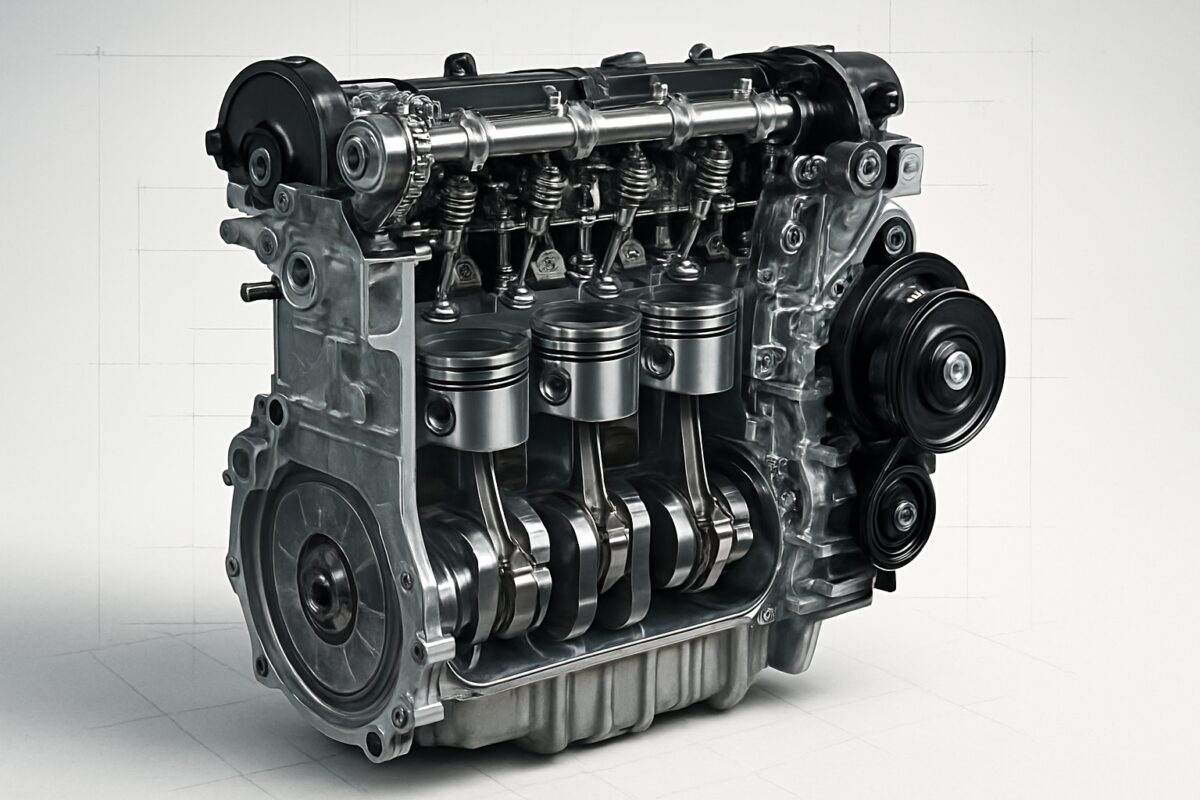
The 1.0 VTi 68 represents the entry-level powerplant across the C1 range. This naturally aspirated three-cylinder unit displaces 998cc and features an inline configuration. Toyota’s influence shines through in this collaborative design, which employs multi-point fuel injection technology. The petrol engine uses conventional port injection rather than direct injection, keeping maintenance costs refreshingly low. Running on standard unleaded fuel, this motor doesn’t require premium petrol, which matters considerably when every penny counts at the forecourt.
Our mechanics at Autopartspro regularly service these engines and report consistent performance across high-mileage examples. The naturally aspirated design means fewer components prone to failure compared with turbocharged alternatives. Replacement parts like spark plugs and air filters remain inexpensive and readily available throughout the UK market.
Pros
- Outstanding reliability with minimal reported failures
- Low insurance group placement (typically group 3-5)
- Simple mechanical layout reduces workshop time and labour costs
- Excellent fuel economy achieves genuine 60+ mpg in real-world conditions
- Minimal road tax due to low CO2 emissions
Cons
- Struggles with motorway overtaking manoeuvres
- Limited acceleration from standstill (0-62 mph in 14.2 seconds)
- Can feel strained when carrying multiple passengers or luggage
- Engine note becomes vocal at higher revs
- No turbocharger means less low-down torque availability
Professional tip: The 1.0 VTi engine responds brilliantly to regular oil changes. Our specialists recommend servicing every 8,000 miles rather than extending to the manufacturer’s 10,000-mile intervals, particularly for urban-heavy driving patterns.
Engine #2 overview
The 1.2 PureTech 82 arrived with the facelifted C1 models from 2014 onwards. This three-cylinder petrol unit displaces 1,199cc and features advanced engineering including variable valve timing. Still naturally aspirated, the larger capacity provides noticeably improved flexibility compared with the smaller 1.0-litre variant. The engine utilises modern port injection technology and runs happily on regular unleaded petrol. This powerplant shares components with other PSA Group vehicles, ensuring widespread parts availability across European markets.
Technical specialists at our facilities appreciate this engine’s improved mid-range response. The additional displacement translates to better performance in everyday situations without dramatically affecting running costs. Components such as the oil filter and fuel filter follow standard service schedules, keeping maintenance predictable and affordable.
Pros
- Improved power delivery suits mixed driving conditions better
- Stronger low-end torque makes urban driving more relaxed
- Surprisingly efficient despite larger capacity
- Quieter operation at cruising speeds compared with 1.0-litre
- Better equipped for motorway journeys and fully loaded conditions
Cons
- Marginally higher insurance premiums than base model
- Slightly increased fuel consumption in stop-start traffic
- Fractionally higher vehicle excise duty costs
- Replacement parts occasionally cost more than 1.0-litre equivalents
- Still no turbocharger for those seeking genuine performance
Maintenance cost
| Engine | Recommended interval | Estimated cost | Cost per 10,000 miles |
|---|---|---|---|
| 1.0 VTi 68 | 10,000 miles / 12 months | £145-180 | £145-180 |
| 1.2 PureTech 82 | 10,000 miles / 12 months | £160-195 | £160-195 |
Both engines benefit from straightforward servicing requirements. A standard service includes engine oil replacement, filter changes, and comprehensive safety checks. Major services occurring every 20,000 miles incorporate additional items like cabin filters and brake fluid inspection. The cam belt doesn’t exist on these motors since they employ timing chains designed to last the engine’s lifetime under normal conditions.
Autopartspro technicians emphasise that preventative maintenance dramatically extends engine longevity. Investing in quality replacement components saves considerable expense later. Items like ignition coils and injectors rarely fail when service schedules are respected. The engine radiator and cooling system components typically last beyond 100,000 miles with proper coolant maintenance.
Expert insight: Monitor your battery condition closely on C1 models. The small engine bay means batteries work harder during cold starts, particularly throughout British winters. Replacing batteries proactively prevents inconvenient breakdowns.
Engine sound and character
Neither C1 engine pretends to be a sporting powerplant. The 1.0-litre produces a characteristically busy three-cylinder thrum at idle, which becomes more prominent when accelerating briskly. This soundtrack doesn’t offend but won’t excite enthusiasts either. The smaller engine needs working hard to maintain momentum, meaning higher revs and increased cabin noise on faster roads. Around town, refinement proves perfectly acceptable for the class.
The 1.2 PureTech feels noticeably smoother throughout the rev range. Its additional torque means less gear changing and lower engine speeds during typical driving. Motorway cruising becomes more civilised with this unit, though wind noise rather than mechanical sounds dominate at 70 mph. Both engines settle into a pleasant hum once up to speed, making them suitable companions for longer journeys despite their modest outputs.
Who each engine is best for
| Driver type | 1.0 VTi 68 | 1.2 PureTech 82 |
|---|---|---|
| Daily commuters | Excellent – lowest running costs | Very good – better flexibility |
| Performance enthusiasts | Poor – insufficient power | Below average – still modest |
| Long-distance drivers | Average – struggles on hills | Good – more relaxed cruising |
| Budget-conscious owners | Outstanding – minimum expenses | Excellent – slight premium justified |
The 1.0-litre suits new drivers, retirees, and anyone prioritising economy above all else. Urban dwellers rarely exceeding 50 mph will find it perfectly adequate. The 1.2-litre makes sense for buyers frequently carrying passengers, tackling hillier terrain, or regularly joining motorway traffic. Both engines deliver exceptional value in their respective roles.
Frequently asked questions
What’s the real-world fuel economy difference between C1 engines?
Most drivers achieve 58-62 mpg with the 1.0-litre versus 55-60 mpg from the 1.2-litre in mixed conditions. The difference narrows considerably during purely urban driving where both engines prove exceptionally frugal.
Do Citroën C1 engines require timing belt replacement?
No, both petrol engines use maintenance-free timing chains rather than belts. This eliminates the significant expense of cambelt changes, though chains should be inspected during major services beyond 80,000 miles.
Which C1 engine proves more reliable long-term?
Both motors demonstrate excellent reliability with minimal reported failures. The simpler 1.0-litre slightly edges ahead due to fewer components, though the 1.2-litre also boasts impressive dependability when properly maintained throughout its service life.
Can C1 engines run on supermarket fuel safely?
Absolutely. Both units happily run on standard 95 RON unleaded from any retailer. Premium fuels offer no performance benefits for these naturally aspirated engines, making supermarket petrol a perfectly sensible choice for cost savings.
What mileage should I expect from a C1 engine?
With proper maintenance, both engines regularly exceed 150,000 miles. Examples surpassing 200,000 miles exist, particularly amongst taxi and delivery fleet vehicles. Regular oil changes and quality parts prove essential for longevity.

 Loading...