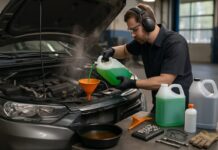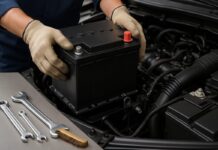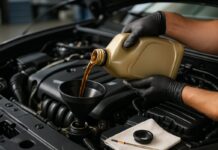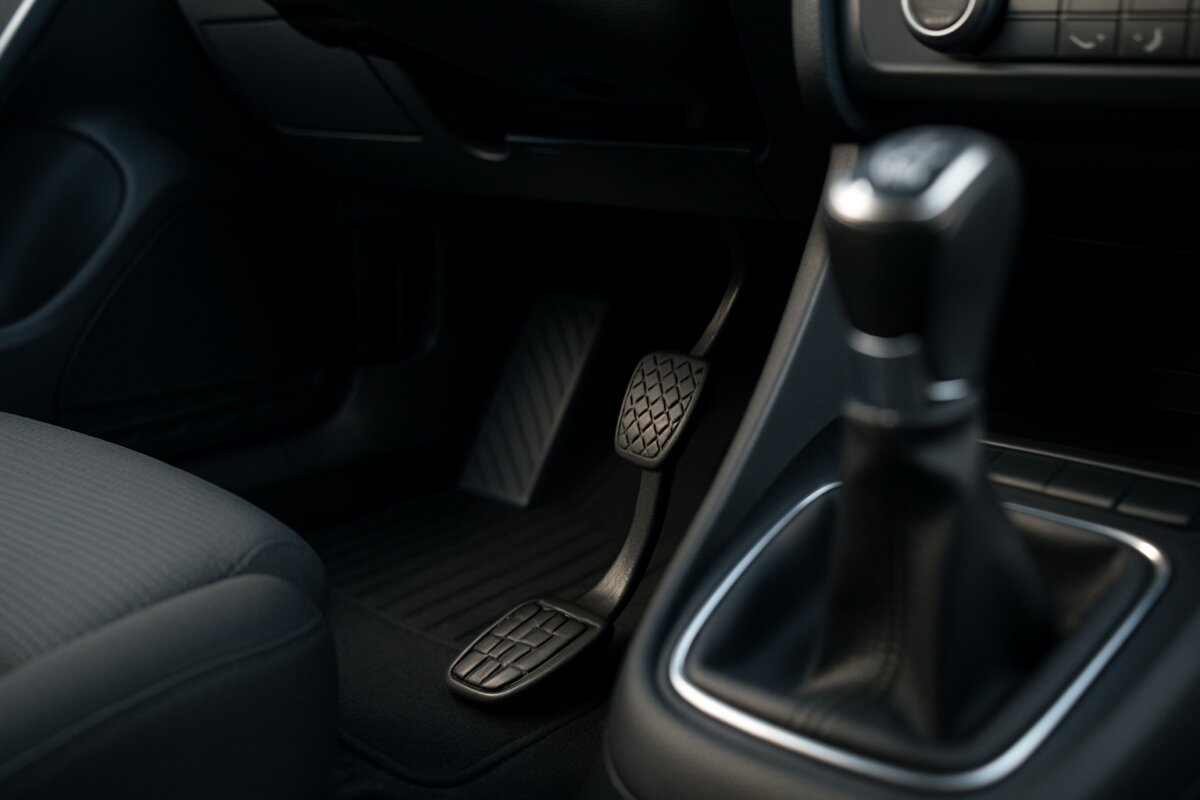
When your clutch pedal sticking down to the floor and won’t allow gear changes, you’re likely facing either a hydraulic system failure, clutch cable breakage, or mechanical component wear. The immediate solution involves checking hydraulic fluid levels, inspecting for leaks around the clutch master cylinder, and examining cable integrity before attempting any repairs.
Parts needed for clutch pedal repairs
Successful clutch pedal repair requires specific components depending on your vehicle’s transmission system. Most modern cars use hydraulic systems, whilst older models rely on mechanical cables.
Essential replacement parts
- Clutch kit (pressure plate, friction disc, release bearing)
- Clutch cable (cable-operated systems only)
- Slave cylinder (hydraulic systems)
- Master cylinder seals and pistons
- Brake fluid DOT 4 specification
Required tools
- Socket set (10mm to 19mm)
- Brake bleeding kit
- Torque wrench (30-150 Nm range)
- Jack and axle stands
- Fluid catch tray
- Cable tension gauge (cable systems)
Always verify your vehicle’s specific clutch system type before ordering parts. Hydraulic and cable systems require completely different components and repair approaches.
Safety precautions
Working on clutch systems involves working beneath the vehicle and handling pressurised hydraulic components. Proper safety measures prevent serious injury.
Engage the handbrake fully and use proper axle stands rather than relying solely on a jack. Disconnect the battery negative terminal to prevent accidental starter engagement. Wear safety glasses when bleeding hydraulic systems, as brake fluid can cause eye damage.
Work in a well-ventilated area and keep brake fluid away from painted surfaces, as it’s highly corrosive. Have a fire extinguisher nearby when working with flammable fluids.
Step-by-step clutch pedal repair instructions
Step 1: Diagnose the problem
Start by checking the clutch pedal’s travel and resistance. A pedal that goes straight to the floor without resistance typically indicates hydraulic failure or cable breakage. Check the brake fluid reservoir, as most clutch systems share this fluid supply.
Inspect under the dashboard for visible leaks around the master cylinder. Look for wet spots or brake fluid residue on the pedal assembly and surrounding areas.
Step 2: Check hydraulic system integrity
Locate the clutch master cylinder, usually mounted on the firewall near the brake master cylinder. Check fluid levels and look for external leaks. Low fluid levels often indicate internal seal failure or external leakage.
Examine the slave cylinder beneath the vehicle, typically mounted on the transmission bell housing. Look for fluid weepage around the cylinder body and clutch release bearing area.
Step 3: Inspect cable systems
For cable-operated clutches, examine the cable routing from pedal to release fork. Look for frayed wires, broken strands, or seized cable movement. Check cable adjustment at the transmission end, ensuring proper free play exists.
Test cable movement by manually operating the release fork whilst an assistant operates the pedal. Binding or excessive resistance indicates cable replacement necessity.
Step 4: Bleed the hydraulic system
If the system holds fluid but feels spongy, air contamination requires bleeding. Connect your bleeding kit to the slave cylinder bleed nipple. Have an assistant pump the clutch pedal whilst you open and close the bleed valve.
Continue until clean, bubble-free fluid emerges. This process typically requires 500ml of fresh brake fluid. Maintain reservoir levels throughout the procedure to prevent air ingestion.
Step 5: Replace faulty components
Faulty master or slave cylinders require complete replacement. Remove the old cylinder, noting the position of hydraulic lines and mounting bolts. Install the new unit using proper torque specifications, typically 25-35 Nm for mounting bolts.
When fitting a new clutch pressure plate or complete clutch assembly, ensure proper alignment using a clutch alignment tool. Incorrect alignment prevents gear engagement even after successful installation.
Common mistakes to avoid
Many DIY repairs fail due to fundamental errors that experienced mechanics avoid. Understanding these pitfalls saves time and prevents component damage.
Never reuse old hydraulic seals or gaskets, even if they appear serviceable. Rubber components deteriorate over time and will fail prematurely. Always replace complete seal kits rather than individual components.
Avoid over-tightening hydraulic fittings, which can crack components or strip threads. Use a torque wrench and follow manufacturer specifications. Similarly, don’t force seized components—apply penetrating oil and allow time for it to work.
Never operate the clutch pedal with the slave cylinder disconnected, as this can damage the master cylinder internal components. Keep the system sealed during repairs to prevent contamination.
When should you replace clutch components?
Clutch component replacement timing depends on driving conditions, vehicle usage, and maintenance quality. Most clutch assemblies last 60,000-100,000 miles under normal conditions.
Replace clutch components when pedal travel increases significantly, gear engagement becomes difficult, or slipping occurs under acceleration. Hydraulic components typically last longer but may require attention every 80,000-120,000 miles.
Heavy city driving, towing, or performance modifications reduce component lifespan. Monitor clutch pedal feel and response regularly to identify developing problems before complete failure occurs.
Our AutoPartsPro mechanics recommend replacing the entire clutch assembly rather than individual components when major work is required. This approach ensures optimal performance and prevents premature failure of related parts.
Related maintenance tasks
Whilst performing clutch repairs, several related maintenance tasks can be completed efficiently. This approach maximises workshop time and often reduces overall costs.
Consider replacing the flywheel if it shows scoring or heat damage. Resurface or replace as necessary to ensure smooth clutch operation. Check engine mount condition, as worn mounts can affect clutch pedal feel and component alignment.
Inspect the gear oil level and condition whilst the transmission is accessible. Replace if contaminated or overdue for service. This maintenance prevents transmission problems that could affect clutch operation.
Check the condition of CV joints and suspension springs whilst the vehicle is elevated. Address any issues discovered to prevent future problems.
Frequently asked questions
Why does my clutch pedal stick to the floor after sitting overnight?
This typically indicates master cylinder internal seal failure, allowing fluid to bypass and preventing proper pedal return. The seals swell overnight then function temporarily when warmed.
Can I drive with a clutch pedal that won’t return properly?
No, this is unsafe and will damage clutch components. The clutch may not fully disengage, causing gear grinding and premature wear of friction materials.
How much brake fluid should I use when bleeding the clutch?
Plan to use approximately 500ml of fresh DOT 4 brake fluid for a complete system bleed, though actual requirements vary by vehicle size and system capacity.
Is clutch pedal repair suitable for DIY mechanics?
Basic hydraulic bleeding and cable adjustments are manageable for experienced DIYers. Complete clutch replacement requires specialised tools and transmission removal in most cases.
What causes rapid clutch component wear?
Aggressive driving, riding the clutch pedal, improper adjustment, contaminated hydraulic fluid, and worn engine mounts all contribute to premature clutch system failure.
Addressing clutch pedal problems promptly prevents costly transmission damage and ensures safe vehicle operation. Whether your system uses hydraulic or cable operation, proper diagnosis and quality replacement parts from reputable suppliers ensure lasting repairs. Regular maintenance and proper driving techniques extend component life significantly, making clutch plate and system longevity achievable with the right approach and components.

 Loading...