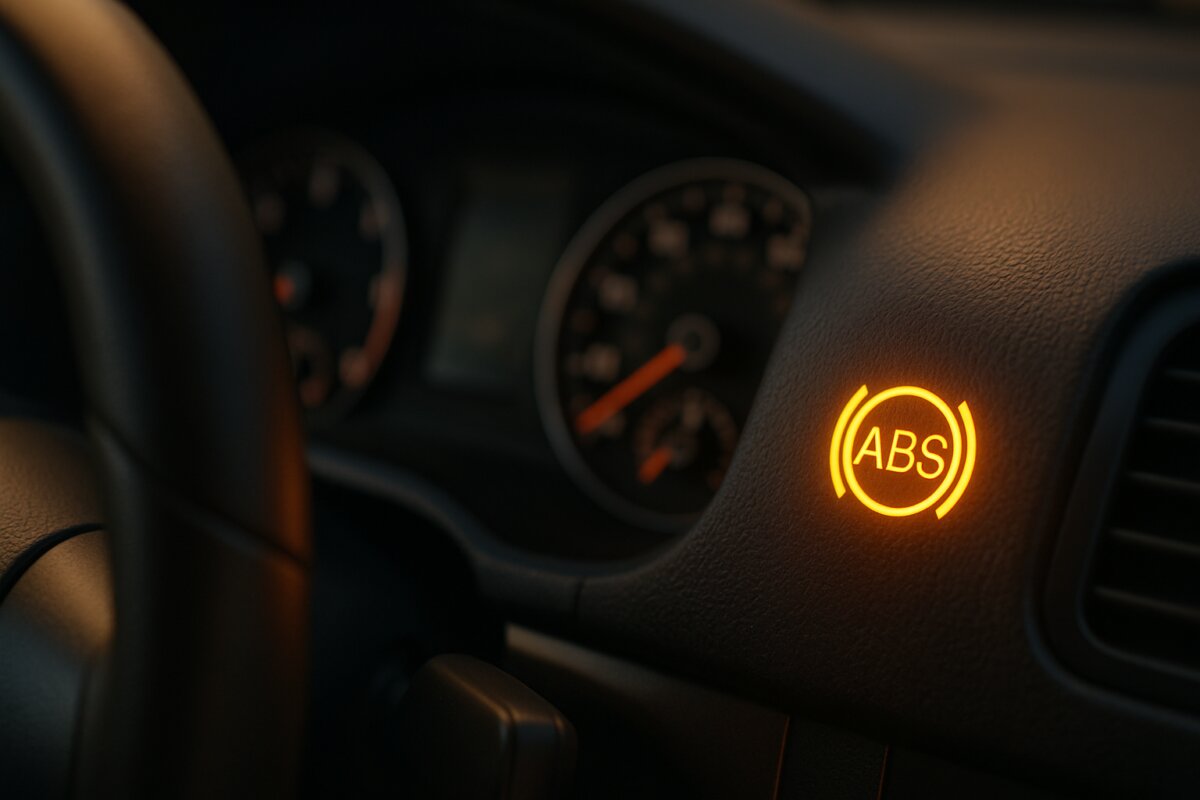
That glowing amber warning light on your dashboard can be unsettling, especially when it’s the ABS indicator. If your ABS light is on, you’re likely wondering what it means, whether it’s safe to drive, and how much it’ll cost to fix. Understanding the anti-lock braking system warning light is crucial for your safety and your vehicle’s performance, so let’s dive into everything you need to know about this common automotive concern.
What Does the ABS Light Mean?
The ABS warning light indicates a problem with your vehicle’s anti-lock braking system. This sophisticated safety feature prevents your wheels from locking up during hard braking, allowing you to maintain steering control in emergency situations. When the light illuminates on your dashboard, it signals that the system has detected a malfunction and may have disabled itself.
While your regular brakes will still function normally when the ABS light is on, you’ll lose the anti-lock functionality that helps prevent skidding. This means your vehicle will brake like older cars without ABS technology, which can be particularly dangerous in wet or icy conditions. The system continuously monitors various sensors and components, and any irregularity triggers the warning indicator.
Common Causes of an Illuminated ABS Warning Light
Faulty Wheel Speed Sensors
The most frequent culprit behind an ABS light is a malfunctioning wheel speed sensor. These sensors monitor the rotational speed of each wheel and send data to the ABS control module. Dirt, debris, metal shavings, or physical damage can interfere with their operation, causing the system to think there’s a problem.
Wheel speed sensors are particularly vulnerable in harsh driving conditions. Road salt, mud, and general wear can corrode the sensor or its wiring, leading to inaccurate readings that trigger the warning light.
Low Brake Fluid Level
Your anti-lock braking system relies on adequate brake fluid to function properly. When fluid levels drop too low, whether from a leak or worn brake pads, the ABS light may illuminate alongside your regular brake warning light. This is a critical issue that requires immediate attention.
Checking your brake fluid reservoir is a simple first step in diagnosing the problem. If levels are low, there may be a leak somewhere in the hydraulic system that needs professional repair.
Malfunctioning ABS Module
The ABS control module serves as the brain of the anti-lock braking system, processing information from all the sensors and activating the system when needed. While less common, module failures do occur, often due to corrosion from moisture exposure or internal electrical issues.
A failing module may trigger the warning light intermittently at first, then become permanent as the problem worsens. This component requires specialized diagnostic equipment to properly test and identify failures.
Blown Fuse or Electrical Issues
Sometimes the cause is as simple as a blown fuse in the ABS system circuit. Electrical problems, including damaged wiring, poor connections, or corroded terminals, can also interrupt communication between components and trigger the dashboard warning.
What You Should Do When Your ABS Light Comes On
Immediate Actions
First and foremost, don’t panic. Your standard brakes will continue to work, so you can still stop safely. However, you should adjust your driving behavior immediately by increasing following distances and reducing speed, especially in adverse weather conditions.
Check your brake fluid level as soon as possible. If it’s low or if you notice the regular brake warning light is also illuminated, avoid driving the vehicle and seek professional help immediately.
Get a Diagnostic Scan
Modern vehicles store diagnostic trouble codes that can pinpoint the exact issue causing your ABS light to illuminate. Visit a qualified mechanic or auto parts store that offers free code scanning to identify the specific problem. This diagnostic information is invaluable for accurate repairs and prevents unnecessary part replacement.
Keep in mind that while code readers provide helpful information, proper diagnosis often requires professional expertise and specialized tools to test individual components within the system.
Cost of Repairs for ABS Light Issues
Typical Repair Expenses
The cost to fix an ABS light problem varies significantly depending on the underlying cause. Wheel speed sensor replacement typically ranges from $150 to $400 per sensor, including parts and labor. If you’re fortunate, cleaning debris from the sensor may resolve the issue at no cost beyond a diagnostic fee.
Brake fluid top-offs or bleeding the system usually cost between $80 and $150. However, if there’s a leak requiring line replacement, expenses can climb to $300-$800 depending on the location and severity.
Complex Repairs
ABS module replacement represents the most expensive repair scenario, with costs ranging from $500 to $1,500 or more depending on your vehicle’s make and model. Some modules can be rebuilt or reprogrammed at lower costs, so explore all options with your mechanic.
Wiring repairs fall in the $200-$600 range depending on the extent of damage and accessibility. Simple fuse replacements cost only a few dollars for the part, though you may pay a diagnostic fee of $50-$100 if a professional performs the work.
Understanding your ABS warning light empowers you to take appropriate action when it illuminates. Whether it’s a simple sensor cleaning or a more complex module replacement, addressing the issue promptly ensures your safety system functions when you need it most. Remember that while the cost of repairs may seem daunting, the anti-lock braking system plays a vital role in preventing accidents and protecting you and your passengers. Schedule a diagnostic appointment with a trusted mechanic to identify the specific problem and get back to safe driving with full confidence in your vehicle’s braking capabilities.

 Loading...