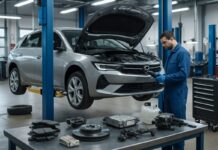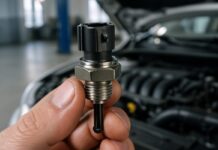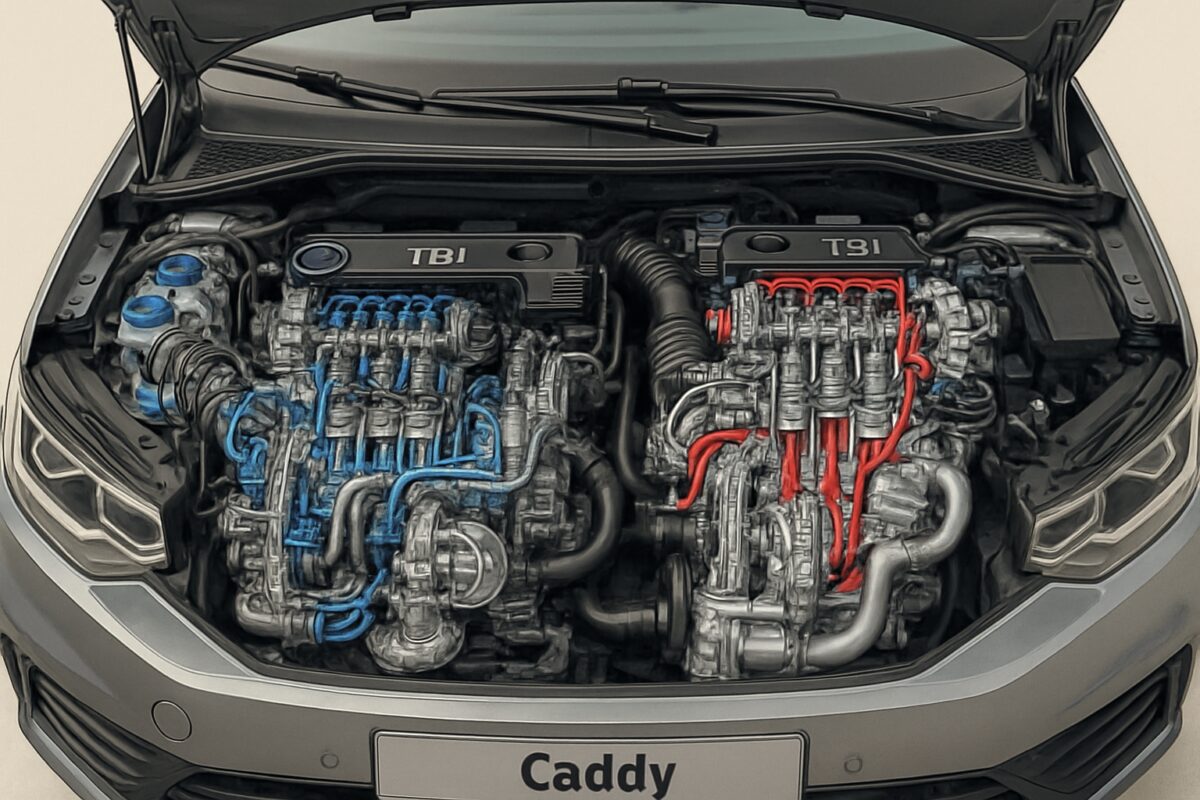
The Volkswagen Caddy has established itself as a versatile commercial van and family MPV in the UK market, serving both business and domestic needs. The engine lineup plays a crucial role in determining this vehicle’s appeal, offering a balance of efficiency, reliability, and performance. From economical diesel units producing 75-122 horsepower to petrol alternatives delivering up to 131 horsepower, the Caddy’s powertrain options cater to diverse driving requirements and operational demands.
Comparison table of all engines
| Engine | Power output | Torque | Fuel consumption | Reliability |
|---|---|---|---|---|
| 1.4 TSI Petrol | 131 bhp | 200 Nm | 42.2 mpg | Good |
| 1.6 TDI 75 | 75 bhp | 195 Nm | 58.9 mpg | Very Good |
| 1.6 TDI 102 | 102 bhp | 250 Nm | 57.6 mpg | Very Good |
| 2.0 TDI 122 | 122 bhp | 320 Nm | 55.4 mpg | Excellent |
| 2.0 TDI 150 | 150 bhp | 340 Nm | 52.3 mpg | Excellent |
1.4 TSI petrol engine overview
The 1.4-litre TSI represents Volkswagen’s turbocharged petrol offering in the Caddy range. This four-cylinder inline engine features direct injection technology and turbocharging to maximise power output whilst maintaining reasonable fuel economy. The unit displaces 1395cc and utilises a sophisticated fuel injection system to deliver responsive performance across various driving conditions.
Pros
- Smooth and refined operation with minimal noise intrusion
- Strong mid-range torque delivery ideal for urban driving
- Lower initial purchase price compared to diesel alternatives
- Quick warm-up times in cold weather conditions
- Suitable for low-mileage users and short-distance operations
Cons
- Higher fuel consumption compared to diesel engines
- More expensive to run for high-mileage commercial users
- Turbocharger components may require attention over time
- Carbon build-up issues on direct injection systems
- Lower torque output affects heavy load carrying capability
1.6 TDI 75 diesel engine overview
The entry-level diesel option features a naturally aspirated 1.6-litre TDI unit producing 75 brake horsepower. This four-cylinder configuration offers excellent fuel economy and represents the most affordable diesel entry point. Despite its modest power output, the engine provides sufficient performance for basic commercial duties and light passenger transport requirements.
Pros
- Outstanding fuel economy with over 58 mpg capability
- Lower insurance and tax costs due to reduced power rating
- Simple, robust design with fewer complex components
- Adequate torque for light commercial applications
- Cost-effective maintenance and fuel filter requirements
Cons
- Limited power for fully loaded commercial operations
- Slower acceleration and overtaking capability
- Struggles with heavy loads on motorway inclines
- May feel underpowered for larger Caddy variants
- Noisy operation compared to more powerful alternatives
1.6 TDI 102 diesel engine overview
The turbocharged 1.6-litre TDI delivers 102 horsepower and represents a significant improvement over the naturally aspirated variant. This common rail diesel engine features advanced injection technology and turbocharging to enhance both performance and efficiency. The unit provides an excellent balance between operational costs and practical capability for most Caddy applications.
Pros
- Excellent fuel economy whilst maintaining adequate performance
- Strong low-end torque suitable for commercial duties
- Reliable turbocharger system with proven longevity
- Good balance of power and running costs
- Responsive acceleration for urban and rural driving
Cons
- Turbocharger maintenance requirements over high mileage
- DPF system may cause issues with short-journey driving
- Higher initial cost compared to naturally aspirated option
- More complex injector system requires quality fuel
- Potential EGR valve problems affecting emissions
2.0 TDI 122 diesel engine overview
The 2.0-litre TDI producing 122 brake horsepower offers enhanced capability for demanding commercial operations. This turbocharged diesel features four cylinders with common rail injection technology, delivering substantial torque output ideal for heavy loads and frequent motorway use. The engine represents excellent value for high-mileage operators requiring dependable performance.
Pros
- Exceptional torque output perfect for heavy commercial loads
- Strong motorway performance with confident overtaking ability
- Proven reliability record across Volkswagen Group vehicles
- Excellent fuel economy considering power output
- Smooth operation with minimal vibration or noise
Cons
- Higher purchase price and insurance costs
- More expensive oil filter and maintenance components
- Complex emissions equipment requiring quality lubricants
- Potential timing chain wear on higher mileage examples
- DPF regeneration requirements for optimal operation
2.0 TDI 150 diesel engine overview
The flagship 2.0-litre TDI delivers 150 horsepower and represents the premium diesel option in the Caddy lineup. This advanced turbocharged unit features sophisticated engine management systems and enhanced turbocharging technology. Designed for operators requiring maximum performance without compromising on efficiency, this engine excels in demanding commercial and passenger applications.
Pros
- Outstanding power delivery suitable for all loading conditions
- Impressive fuel economy despite high performance output
- Advanced emissions control systems meeting latest standards
- Excellent refinement with minimal noise and vibration
- Strong resale value due to desirable specification
Cons
- Highest initial purchase and insurance costs
- Complex turbocharger system requiring specialist maintenance
- Premium fuel requirements for optimal performance
- Expensive replacement parts and specialist sensors
- AdBlue system adds ongoing operational costs
Maintenance costs
| Engine | Recommended Interval | Estimated Cost | Cost per 10000 miles |
|---|---|---|---|
| 1.4 TSI Petrol | 10,000 miles | £180-220 | £200 |
| 1.6 TDI 75 | 20,000 miles | £160-190 | £87 |
| 1.6 TDI 102 | 20,000 miles | £170-200 | £92 |
| 2.0 TDI 122 | 20,000 miles | £190-230 | £105 |
| 2.0 TDI 150 | 20,000 miles | £220-270 | £122 |
Our Autopartspro mechanics recommend using quality engine oil and genuine filters to maximise engine longevity across all Caddy variants. Regular maintenance proves far more economical than reactive repairs, particularly with modern diesel engines featuring complex emissions systems.
Engine sound and character
The petrol 1.4 TSI delivers a refined, muted character with minimal intrusion into the cabin. Its turbocharged nature provides a subtle whoosh under acceleration, creating a pleasant driving experience for passenger-focused applications. The engine remains relatively quiet at idle and cruise speeds.
Diesel variants exhibit characteristic compression ignition noise, though modern sound deadening significantly reduces cabin intrusion. The naturally aspirated 1.6 TDI produces a traditional diesel clatter, whilst turbocharged versions operate more quietly with distinctive turbo whistle under acceleration. The 2.0 TDI units offer the most refined diesel experience with sophisticated noise suppression technology.
Professional tip: Regular oil filter replacement helps maintain optimal engine noise levels and prevents premature wear on critical components.
Who each engine is best for
| Engine | Best For | Typical Use Case | Annual Mileage |
|---|---|---|---|
| 1.4 TSI Petrol | Daily commuters | School runs, shopping trips | Under 12,000 miles |
| 1.6 TDI 75 | Budget-conscious owners | Light commercial, occasional use | 8,000-15,000 miles |
| 1.6 TDI 102 | Small business operators | Delivery work, trade use | 15,000-25,000 miles |
| 2.0 TDI 122 | High-mileage drivers | Long-distance commercial | 25,000-40,000 miles |
| 2.0 TDI 150 | Performance enthusiasts | Premium commercial, towing | 20,000-35,000 miles |
Expert advice: Consider your actual usage patterns rather than aspirational requirements when selecting an engine. Our technicians frequently see customers choosing overpowered units that increase running costs unnecessarily.
Frequently asked questions (FAQ)
Which VW Caddy engine is most reliable?
The 2.0 TDI engines demonstrate exceptional reliability when properly maintained. Their proven design and robust construction make them ideal for commercial applications requiring dependable service.
How often should I change the diesel particulate filter?
DPF replacement typically occurs every 80,000-120,000 miles depending on driving patterns. Regular motorway driving helps prevent premature particulate filter clogging and extends service life significantly.
Can I retrofit a more powerful engine to my Caddy?
Engine swaps require extensive modifications affecting insurance, warranties, and legal compliance. Consider purchasing the correct specification initially rather than costly retrofitting projects.
What fuel economy can I expect from each engine?
Real-world fuel consumption varies significantly based on loading, driving style, and maintenance quality. Diesel variants consistently deliver superior economy for commercial operations.
Do VW Caddy engines require premium fuel?
Standard unleaded petrol and regular diesel suffice for most engines. However, higher-powered variants benefit from quality fuel to maintain optimal performance and catalytic converter efficiency.

 Loading...