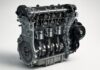
The Volvo XC60 stands as one of Sweden’s most popular premium SUVs, combining safety excellence with sophisticated engineering. However, like any complex vehicle, certain recurring issues affect multiple model years. Understanding these common problems helps owners maintain their XC60 properly and address concerns before they become costly repairs.
Problem #1: Turbocharger failures and oil consumption
Many XC60 owners report premature turbocharger failures, particularly in T5 and T6 engines. This issue typically manifests between 60,000-100,000 miles through excessive oil consumption, blue exhaust smoke, and reduced power output.
The root cause often stems from carbon buildup restricting oil return lines. When oil cannot drain properly from the turbo housing, bearings fail catastrophically. Additionally, poor maintenance intervals exacerbate the problem, as contaminated oil accelerates bearing wear.
Early symptoms include whistling noises during acceleration, oil level dropping rapidly between services, and sluggish throttle response. The engine management system may trigger limp mode to protect internal components from further damage.
Our Autopartspro specialists recommend checking oil filter condition every 5,000 miles and using only manufacturer-approved synthetic oils. Regular inspection of turbocharger hoses prevents boost leaks that stress the turbo unnecessarily.
Professional tip: Allow the engine to idle for 30 seconds before switching off after spirited driving to prevent oil coking in turbo bearings.
Problem #2: Suspension system deterioration
XC60 models frequently experience premature wear in suspension components, especially shock absorbers and suspension springs. This problem affects ride quality and handling precision significantly.
The issue primarily affects vehicles driven in harsh conditions or those carrying heavy loads regularly. Road salt accelerates corrosion of spring coils, whilst repeated compression cycling weakens damper seals. Front struts typically fail first due to increased loads from engine weight and steering forces.
Symptoms include uneven tyre wear patterns, excessive body roll during cornering, and knocking sounds over bumps. Vehicle stability decreases noticeably, particularly during emergency manoeuvres or sudden direction changes.
Quality replacement strut bearings and regular inspection of suspension arms prevent cascading failures. Our technicians emphasise that addressing suspension problems early saves money by preventing tyre damage and improving safety margins.
Professional tip: Check suspension components every 20,000 miles, paying special attention to rubber bushings and mounting points for early wear signs.
Problem #3: Brake system component failures
Brake system problems plague many XC60 models, with brake pads wearing prematurely and brake rotors developing grooves or warping issues. These problems compromise stopping power and create safety concerns.
The heavy kerb weight of the XC60 places tremendous stress on braking components, especially during city driving with frequent stops. Additionally, many owners neglect regular brake fluid changes, allowing moisture contamination to reduce system efficiency.
Warning signs include squealing or grinding noises, vibrations through the brake pedal, and increased stopping distances. The brake warning light may illuminate if pad sensors detect excessive wear or fluid levels drop below minimum thresholds.
Regular inspection of brake calipers prevents seized pistons that cause uneven pad wear. Replacing brake fluid every two years maintains optimal hydraulic pressure and prevents corrosion within the system.
Warning signs your car has a problem
Recognising early symptoms prevents minor issues from escalating into major repairs. These warning signs indicate potential problems requiring immediate attention:
- Unusual noises during operation (grinding, squealing, knocking)
- Dashboard warning lights remaining illuminated
- Changes in vehicle performance or handling characteristics
- Fluid leaks beneath the parked vehicle
- Excessive vibrations through steering wheel or seats
How to fix the problems
Addressing common XC60 problems requires systematic diagnosis and quality replacement parts. This comprehensive repair approach ensures long-term reliability:
| Problem Area | Diagnostic Method | Repair Solution | Prevention |
|---|---|---|---|
| Turbocharger | Boost pressure test | Replace unit and oil lines | Quality oil, regular changes |
| Suspension | Visual inspection, bounce test | Replace worn components | Avoid overloading, check bushings |
| Brakes | Thickness measurement | Replace pads, resurface rotors | Regular fluid changes, gentle braking |
Professional diagnosis using diagnostic scanners identifies fault codes stored in the vehicle’s control units. This approach pinpoints exact failure locations rather than guessing based on symptoms alone.
Quality replacement parts from reputable suppliers ensure repairs last longer than budget alternatives. Using genuine or OEM-equivalent components maintains vehicle performance and preserves warranty coverage where applicable.
| Maintenance Item | Interval | Cost Impact |
|---|---|---|
| Engine oil and filter | Every 10,000 miles | Low |
| Brake fluid replacement | Every 24 months | Medium |
| Suspension inspection | Every 20,000 miles | Variable |
When to see a mechanic
Certain situations demand immediate professional attention rather than DIY approaches. Safety-critical systems require expert diagnosis and repair using proper equipment and procedures.
Brake system problems need urgent attention, as compromised stopping ability creates dangerous situations. Similarly, steering or suspension failures affect vehicle control and require immediate professional assessment.
Engine management warning lights indicate potential emissions system problems that may cause expensive damage if ignored. Modern XC60 models use complex sensors and actuators requiring specialist diagnostic equipment for accurate fault finding.
Electrical system faults often interact with multiple vehicle systems, making diagnosis challenging without proper tools. Professional technicians access manufacturer databases containing technical bulletins and repair procedures specific to each model year.
- Any safety-related system malfunction
- Multiple warning lights illuminated simultaneously
- Unusual noises or vibrations during operation
Frequently asked questions
How often should I change the oil in my Volvo XC60?
Change engine oil every 10,000 miles or annually, whichever comes first. Use manufacturer-approved synthetic oil to protect turbocharger bearings and maintain warranty coverage.
What causes premature brake wear in the XC60?
Heavy vehicle weight, aggressive driving, and contaminated brake fluid accelerate wear. Regular maintenance and smooth braking techniques extend component life significantly.
Why does my XC60 suspension make knocking noises?
Worn shock absorber mounts, damaged bushings, or failing springs create knocking sounds. Professional inspection identifies specific components requiring replacement for safe operation.
Can I prevent turbocharger problems in my XC60?
Regular oil changes, quality filters, and proper warm-up procedures prevent most turbo failures. Avoid aggressive acceleration immediately after starting the engine.
How long should XC60 brake components last?
Brake pads typically last 30,000-50,000 miles, whilst rotors survive 60,000-80,000 miles with proper maintenance. Driving style significantly affects component longevity.
Final recommendation
The Volvo XC60 remains an excellent choice for families seeking premium safety and comfort, despite these common problems. Understanding potential issues enables proactive maintenance that prevents expensive repairs and maintains reliability.
Regular servicing using quality parts from AutoPartsPro ensures your XC60 continues delivering the Swedish engineering excellence Volvo is renowned for. Our extensive catalogue includes genuine and OEM-equivalent components specifically designed for your vehicle’s requirements.
Don’t wait for problems to develop into costly failures. Preventive maintenance costs significantly less than emergency repairs whilst maintaining your vehicle’s safety and performance standards. Trust our expertise to keep your XC60 running smoothly for years to come.

 Loading...