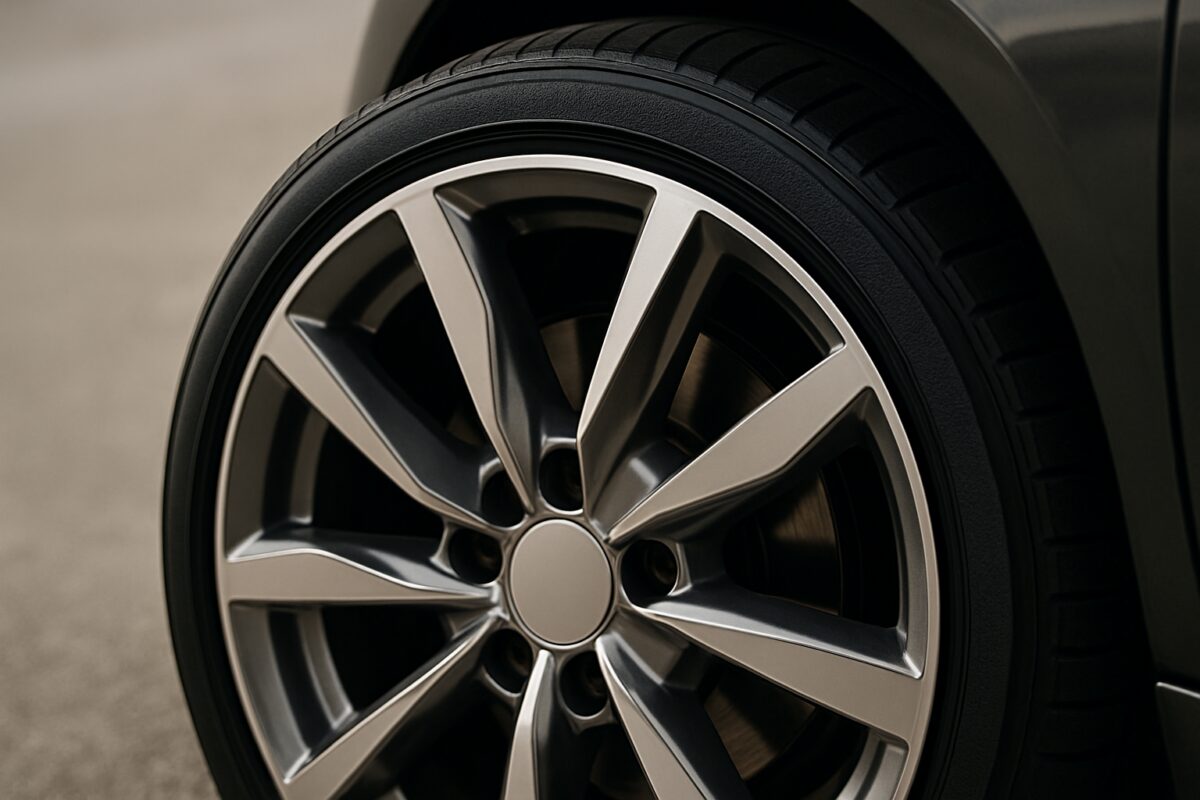
Rim protectors for tyres are specialised accessories designed to shield your alloy wheels from damage during kerb contact, parking mishaps, and general road use. These protective devices act as a buffer between your expensive rims and potential hazards, preventing costly repairs and maintaining your vehicle’s aesthetic appeal whilst preserving wheel integrity.
Understanding rim protector technology
Modern wheel rim protectors utilise advanced materials and engineering to provide comprehensive protection. These accessories come in various forms, from flexible rubber strips to rigid plastic guards that attach to your wheel’s outer edge.
The primary function involves creating a sacrificial barrier that absorbs impact energy. When your wheel makes contact with a kerb or obstruction, the protector takes the damage instead of your expensive alloy rim. This innovative approach has revolutionised wheel protection for UK motorists.
Contemporary protector designs incorporate weather-resistant compounds that withstand British climate conditions. They maintain flexibility in cold temperatures whilst resisting degradation from UV exposure and road salt during winter months.
Types of wheel protection systems available
Several distinct categories of rim protection exist, each offering specific advantages for different driving scenarios and wheel configurations.
Adhesive rim strips
These thin, flexible protectors adhere directly to your wheel’s circumference. Made from durable polymers, they provide basic protection against light kerb contact. Installation requires thorough cleaning and precise application to ensure proper adhesion.
Adhesive strips work particularly well on vehicles with brake rotors that sit close to the wheel face, where bulkier protection might interfere with braking components.
Clip-on rim guards
These more substantial protectors feature mounting clips that secure them to your wheel’s outer lip. They offer enhanced protection compared to adhesive strips but require compatible wheel designs with accessible mounting points.
Professional mechanics at AutopartsPro recommend clip-on systems for drivers who frequently navigate tight parking spaces or urban environments where kerb contact is more likely.
Integral tyre rim protectors
Some premium tyres incorporate built-in rim protection features. These tyres have reinforced sidewalls or extended rubber compounds that naturally shield the wheel edge during minor contact incidents.
Table showing different protector types:
| Protector Type | Installation Complexity | Protection Level | Cost Range | Durability |
|—|—|—|—|—|
| Adhesive strips | Easy | Basic | £15-30 | 12-18 months |
| Clip-on guards | Moderate | Enhanced | £40-80 | 24-36 months |
| Integral tyre protection | Professional | Premium | £100-200+ | Tyre lifetime |
| Custom-fit protectors | Professional | Maximum | £80-150 | 36-48 months |
Benefits of installing rim protection
Implementing proper wheel protection delivers numerous advantages beyond simple damage prevention. Understanding these benefits helps justify the investment for UK drivers.
Key benefits include:
• **Cost savings**: Preventing a single major rim repair can cost £150-400, making protectors extremely cost-effective
• **Maintained vehicle value**: Pristine wheels significantly impact resale value and overall vehicle presentation
• **Reduced insurance claims**: Avoiding wheel damage claims helps maintain your no-claims bonus
• **Enhanced safety**: Damaged rims can affect tyre integrity and vehicle handling characteristics
• **Peace of mind**: Confidence when parking in tight spaces or navigating challenging road conditions
Our automotive specialists have observed that vehicles equipped with quality rim protectors maintain wheel condition far longer than unprotected alternatives. This translates directly into financial savings over the vehicle’s ownership period.
Installation process and considerations
Proper installation is crucial for effective rim protection. The process varies depending on the protector type chosen, but certain principles apply universally.
Before installation, thoroughly clean your wheels using appropriate cleaning products. Remove all brake dust, road grime, and previous adhesive residue. This preparation ensures optimal adhesion and prevents premature failure.
Installation steps for adhesive protectors:
1. **Clean the wheel surface** with degreasing agents and allow complete drying
2. **Measure and mark** the installation line around the wheel circumference
3. **Remove backing material** gradually whilst applying the protector strip
4. **Apply firm pressure** to ensure complete adhesion along the entire length
5. **Allow curing time** as specified by the manufacturer before driving
For clip-on systems, verify compatibility with your specific wheel design. Some wheels feature shapes or spoke configurations that prevent proper mounting. Professional installation may be advisable for complex designs or if you’re uncomfortable with the process.
“Always check your tyre pressure after installing any rim protection system. Some protectors can slightly alter the wheel’s aerodynamics or weight distribution, potentially affecting pressure readings.” – AutopartsPro Senior Technician
Maintenance and replacement guidelines
Rim protectors require periodic inspection and eventual replacement to maintain effectiveness. Regular maintenance ensures continued protection and identifies wear before complete failure occurs.
Inspect your protectors monthly for signs of damage, loosening, or degradation. Look for cracks, tears, or separation from the wheel surface. Address minor issues promptly to prevent escalation into major problems.
Environmental factors affect protector longevity. UV exposure, temperature fluctuations, and road chemicals gradually degrade protective materials. UK conditions, particularly winter salt treatments and frequent rain, can accelerate this process.
Signs requiring protector replacement:
• **Visible damage**: Cracks, tears, or chunks missing from the protective material
• **Adhesion failure**: Edges lifting or complete separation from the wheel surface
• **Colour changes**: Significant fading or discolouration indicating material degradation
• **Hardening**: Loss of flexibility making the protector brittle and ineffective
• **Impact damage**: Evidence of contact that has compromised structural integrity
Quality protectors typically last 18-36 months depending on usage patterns and environmental exposure. Urban drivers who park frequently may need more frequent replacements than those primarily using motorways.
Choosing the right protection for your vehicle
Selecting appropriate rim protection requires considering multiple factors including wheel design, driving habits, and budget constraints. Our technical specialists recommend evaluating these elements systematically.
Wheel diameter and profile significantly influence protector selection. Low-profile tyres on large diameter wheels are more vulnerable to damage but may have limited clearance for bulky protection systems. High-profile tyres on smaller wheels offer more natural protection but can still benefit from additional safeguarding.
Consider your typical driving environment. City drivers navigating narrow streets and tight parking spaces need more robust protection than rural drivers primarily using open roads. Frequent kerb contact requires heavy-duty solutions compared to occasional mishaps.
Table comparing protection needs by driving scenario:
| Driving Scenario | Recommended Protection | Key Features | Typical Cost |
|—|—|—|—|
| Urban parking | Heavy-duty clip-on guards | Impact absorption, easy replacement | £60-100 |
| Motorway cruising | Integral tyre protection | Long-term durability, minimal maintenance | £120-200 |
| Mixed driving | Adhesive strips with backup | Balance of protection and cost | £25-50 |
| Performance driving | Custom-fit systems | Precise fit, aesthetic integration | £100-180 |
Budget considerations should balance initial cost against potential repair expenses. Premium protection systems cost more upfront but often provide better value through enhanced durability and superior protection capabilities.
Professional installation vs DIY approach
The decision between professional installation and DIY application depends on several factors including technical skill, available tools, and protector complexity.
Simple adhesive strip protectors are well-suited to DIY installation. They require basic tools and straightforward application techniques that most competent car owners can master. Detailed instructions and online tutorials make this approach accessible.
Complex clip-on systems or custom-fit protectors may benefit from professional installation. These systems often require wheel removal, precise fitting, and sometimes modification to achieve optimal results. Professional installation ensures proper fit and may include warranty coverage.
Many tyre shops and wheel specialists offer installation services. This approach provides expert fitting whilst often including advice on maintenance and replacement timing. The additional cost typically represents good value for complex installations.
When choosing professional installation, ensure the facility has experience with your specific protector type and wheel design. Some protection systems require specialised tools or techniques that not all shops possess.
Impact on vehicle performance and aesthetics
Quality rim protectors should have minimal impact on vehicle performance whilst potentially enhancing visual appeal. However, poorly chosen or installed systems can create unwanted effects.
Weight considerations are generally minimal with most protector systems adding less than 200 grams per wheel. This negligible increase rarely affects handling, fuel economy, or brake performance in any measurable way.
Aerodynamic effects are similarly minor for most applications. However, track-focused vehicles or those with carefully optimised aerodynamics might experience slight changes in airflow patterns around the wheels.
Visual impact varies significantly between protector types. Well-chosen systems can enhance wheel appearance by creating clean lines and adding visual depth. Conversely, mismatched colours or poorly fitted protectors can detract from overall aesthetics.
Contemporary protectors are available in numerous colours and finishes to complement different wheel designs. Black remains most popular for its universal compatibility, whilst coloured options allow personalisation or matching specific vehicle themes.
Cost analysis and value proposition
Understanding the financial implications of rim protection helps justify the investment and guides product selection. The cost equation extends beyond initial purchase price to include installation, maintenance, and potential repair savings.
Basic adhesive protectors represent the most economical entry point, typically costing £15-30 for a complete set. Professional-grade clip-on systems range from £40-80, whilst premium integral tyre protection can exceed £150 per tyre.
Installation costs vary by complexity and provider. Simple adhesive systems rarely require professional fitting, whilst complex guards might cost £40-80 for expert installation. Many wheel specialists offer package deals combining products and fitting.
The value proposition becomes clear when considering repair costs. Single alloy wheel refurbishment typically costs £80-200, whilst replacement wheels can exceed £300-500 each for premium designs. A single prevented incident easily justifies protector investment.
Insurance implications also affect the financial equation. Wheel damage claims can impact premiums and no-claims bonuses. Preventing these claims through effective protection maintains favourable insurance terms.
Long-term vehicle value retention represents another financial benefit. Pristine wheels significantly enhance resale appeal and can add hundreds of pounds to final sale prices, particularly for premium vehicles.
Common mistakes to avoid
Several common errors can compromise protector effectiveness or create new problems. Understanding these pitfalls helps ensure successful implementation.
Inadequate surface preparation represents the most frequent installation mistake. Failing to properly clean and degrease wheel surfaces leads to poor adhesion and premature failure. Always follow manufacturer preparation guidelines meticulously.
Incorrect sizing or fitment causes both aesthetic and functional problems. Protectors that are too large may interfere with brake components or create unsightly overhangs. Undersized protection leaves vulnerable areas exposed.
Temperature considerations during installation affect adhesive performance. Installing in cold conditions or direct sunlight can compromise bonding. Ideal installation temperatures range from 15-25°C with low humidity.
Neglecting regular inspection allows minor issues to develop into major problems. Damaged protectors that remain unaddressed can trap moisture or debris, potentially causing worse damage than no protection at all.
Future trends in wheel protection technology
The wheel protection industry continues evolving with new materials, designs, and installation methods emerging regularly. Understanding these trends helps inform current purchase decisions.
Smart materials that change properties based on temperature or impact conditions are under development. These advanced compounds could provide enhanced protection whilst maintaining flexibility and appearance.
Integration with tyre pressure monitoring systems represents another development area. Future protectors might incorporate sensors that alert drivers to damage or detachment, preventing unnoticed failures.
Sustainable materials and recycling programmes are gaining importance as environmental consciousness grows. Biodegradable protectors and take-back schemes may become standard industry practices.
Customisation technology allowing precise colour matching and pattern integration continues advancing. 3D printing and digital manufacturing may enable truly bespoke protection systems at reasonable costs.
Enhanced installation methods reducing complexity and improving reliability are constantly being developed. Self-aligning systems and foolproof application techniques will make DIY installation more accessible and successful.
Rim protectors represent a wise investment for UK drivers seeking to preserve their wheels’ condition and appearance. From basic adhesive strips to sophisticated clip-on systems, options exist for every budget and application. Proper selection, installation, and maintenance ensure optimal protection whilst maintaining vehicle aesthetics and performance. As wheel designs become increasingly complex and expensive, protection systems will only grow in importance. Smart motorists recognise that preventing damage costs far less than repairing it, making rim protectors an essential consideration for modern vehicle ownership. Whether you’re navigating tight city streets or seeking to maintain pristine wheel condition for resale value, quality rim protection delivers measurable benefits that justify the investment.
How often should I replace rim protectors?
Most rim protectors last 18-36 months depending on usage and environmental conditions. Urban drivers may need replacement sooner.
Can rim protectors affect tyre pressure monitoring systems?
Quality protectors don’t interfere with TPMS sensors. However, always check sensor function after installation and monitor readings initially.
Do rim protectors work on all wheel types?
Most protectors fit standard alloy wheels, but complex spoke designs or unusual profiles may require specific solutions.
Will rim protectors affect my insurance coverage?
Properly installed protectors don’t affect insurance validity. They may actually reduce claims risk and potentially lower premiums.
Can I install rim protectors on winter wheels?
Yes, protectors work effectively on winter wheel setups and provide valuable protection during challenging seasonal driving conditions.

 Loading...