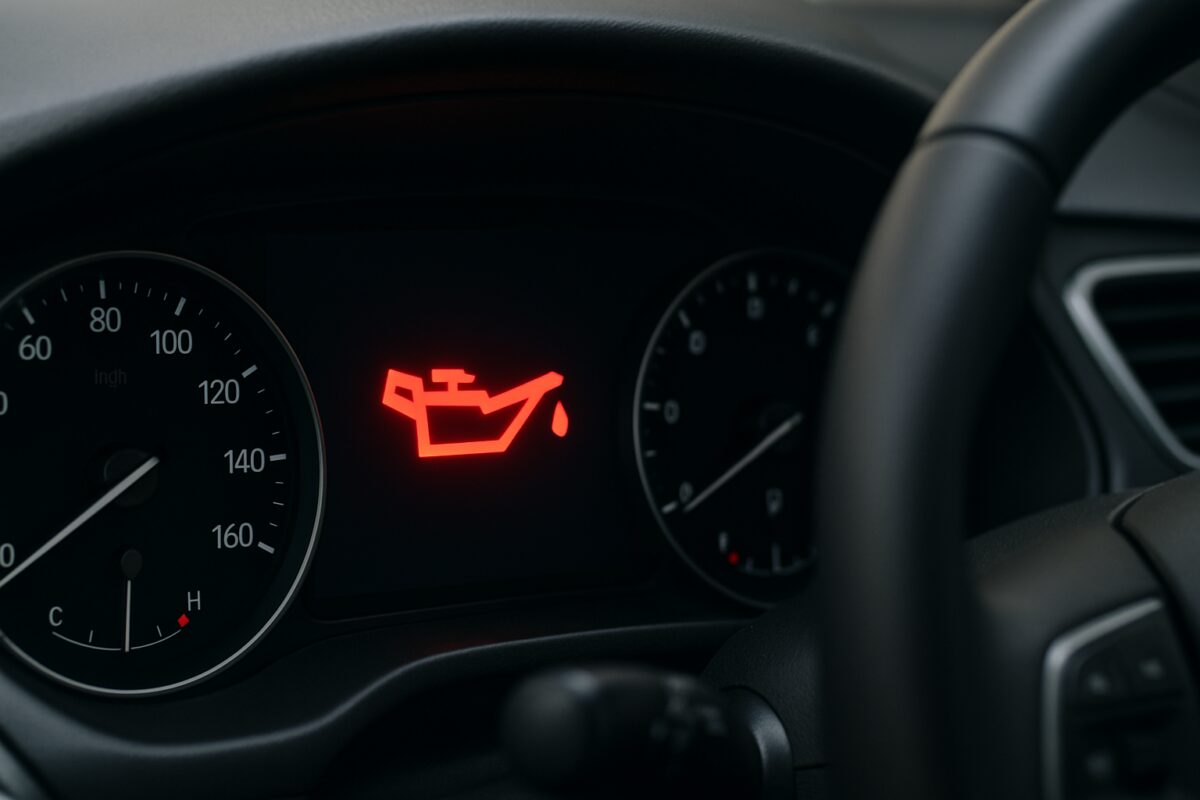
The oil warning light on your car dashboard indicates critical engine lubrication issues that require immediate attention. This amber or red warning symbol typically signals low oil pressure, insufficient oil levels, or oil system malfunctions. When illuminated, stop driving immediately as continued operation can cause severe engine damage within minutes, potentially costing thousands in repairs.
Understanding your vehicle’s oil warning system is crucial for preventing catastrophic engine failure. Modern cars feature sophisticated monitoring systems that detect various oil-related problems before they become critical.
What the oil warning light means
The oil warning light serves as your engine’s primary defence against lubrication failure. When this warning illuminates, your engine’s oil system has detected a problem that could lead to bearing damage, seized pistons, or complete engine failure.
The warning light connects directly to your vehicle’s oil pressure sensor, typically located near the oil filter or oil pump. When oil pressure drops below the manufacturer’s specified threshold, usually around 10-20 PSI at idle, the sensor triggers the dashboard warning.
Most vehicles display either an oil can symbol or the word “OIL” in red or amber. Some modern cars provide additional information through multi-information displays, showing specific error codes or messages like “CHECK ENGINE OIL” or “OIL PRESSURE LOW”.
Common causes of oil warning lights
Several factors can trigger your oil warning light, ranging from simple maintenance oversights to serious mechanical failures. Understanding these causes helps diagnose the severity of your situation.
Low oil level
The most common cause is simply insufficient oil in your engine. Oil levels drop naturally through consumption and minor leaks. Regular checking prevents this issue, as modern engines typically consume between 0.5-1 litre per 1,000 miles under normal conditions.
According to our mechanics at Autopartspro, checking oil levels monthly prevents 70% of oil-related warning light incidents. Many drivers forget this basic maintenance, leading to expensive repairs that could be avoided with a £20 top-up.
Oil pressure sensor failure
Faulty oil pressure sensors frequently cause false alarms. These sensors contain delicate components that deteriorate over time, particularly in high-mileage vehicles. A failing sensor might trigger warnings despite adequate oil levels and pressure.
Professional diagnosis using pressure gauges can confirm whether your sensor readings are accurate. Replacement sensors typically cost £15-50, making this a relatively inexpensive fix compared to engine damage.
Oil pump problems
The oil pump circulates lubricant throughout your engine. When pumps fail, oil pressure drops dramatically, triggering immediate warnings. Pump failure often results from contaminated oil, worn components, or blocked intake screens.
Our specialists report that oil pump failures typically occur in vehicles with extended service intervals or those using incorrect oil specifications. Regular maintenance using quality lubricants significantly reduces pump-related failures.
Different types of oil warning systems
Modern vehicles employ various oil monitoring technologies, each providing different levels of information about your engine’s lubrication system.
Basic pressure switches
Traditional systems use simple pressure switches that activate when oil pressure falls below preset thresholds. These binary systems provide limited information but reliably indicate dangerous conditions.
Basic switches typically trigger at 7-10 PSI, which represents critically low pressure requiring immediate engine shutdown. These systems cannot distinguish between gradually declining pressure and sudden loss.
Electronic oil life monitors
Advanced vehicles feature electronic monitoring systems that calculate oil degradation based on driving conditions, engine temperature, and operating hours. These systems provide percentage-based oil life readings and service reminders.
Electronic monitors consider factors like:
- Engine load and RPM patterns
- Operating temperature ranges
- Short trip frequency
- Environmental conditions
Immediate actions when oil light appears
When your oil warning light illuminates, immediate action prevents catastrophic engine damage. Follow these steps systematically to protect your engine and ensure safety.
Stop driving immediately
Pull over safely as soon as possible and switch off your engine. Continuing to drive with an oil warning risks severe damage within minutes. Engine bearings can seize, pistons can score cylinder walls, and complete engine replacement may become necessary.
Find a safe location away from traffic, engage hazard lights, and allow the engine to cool for at least 10 minutes before inspection. This cooling period ensures accurate oil level readings and prevents burns from hot components.
Check oil level
Remove the dipstick and clean it thoroughly with a cloth. Insert it fully, then withdraw and examine the oil level against the minimum and maximum marks. Oil should sit between these markers, preferably closer to maximum.
If levels appear adequate, examine oil condition. Fresh oil appears amber or black (depending on type) and flows freely. Contaminated oil may contain metal particles, appear milky (coolant contamination), or feel gritty between fingers.
Professional tip from Autopartspro mechanics: Always check oil level on level ground with the engine off for at least 5 minutes. Hot oil expands and settles slowly, giving false readings immediately after driving.
Understanding oil pressure vs oil level
Many drivers confuse oil level with oil pressure, but these represent different aspects of your lubrication system. Understanding this distinction helps diagnose problems accurately.
| Oil Level | Oil Pressure |
|---|---|
| Quantity of oil in the sump | Force of oil circulation |
| Measured by dipstick | Measured by pressure sensor |
| Static measurement | Dynamic measurement |
| Affects oil availability | Affects oil delivery |
Adequate oil levels don’t guarantee proper pressure. Blocked oil passages, pump wear, or viscosity problems can reduce pressure despite full oil capacity. Conversely, low levels eventually cause pressure drops as the pump draws air.
When to add oil vs seek professional help
Determining whether to add oil or seek immediate professional assistance depends on your specific symptoms and oil condition findings.
Safe to add oil
Add oil when levels sit below the minimum mark but oil appears clean and no unusual engine noises are present. Use oil matching your vehicle’s specification exactly – wrong viscosity can worsen problems.
Purchase oil in small quantities initially, as overfilling causes problems including:
- Increased pressure on seals
- Foaming and aeration
- Reduced lubrication effectiveness
- Possible catalytic converter damage
Requires professional diagnosis
Seek immediate professional help when experiencing:
- Knocking or ticking engine noises
- Oil level appears adequate but warning persists
- Contaminated or unusual oil appearance
- Recent oil change with persistent warnings
- Visible oil leaks beneath the vehicle
Oil change intervals and warning prevention
Preventive maintenance through proper oil changes eliminates most warning light incidents. Modern oils and engines allow longer intervals, but severe conditions require more frequent service.
Standard service intervals
Most manufacturers recommend oil changes every 10,000-15,000 miles for modern vehicles using fully synthetic oils. However, these intervals assume ideal conditions rarely encountered in real-world driving.
Severe service conditions include:
- Frequent short trips under 10 miles
- Stop-and-go city driving
- Dusty or extreme temperature environments
- Towing or high-load operation
- Extended idling periods
Oil quality considerations
Using appropriate oil quality prevents premature degradation and extends service life. Premium oils contain additives that resist breakdown, reduce deposits, and maintain viscosity longer than basic formulations.
Our technical team at Autopartspro recommends fully synthetic oils for most applications, as they provide superior protection and longer intervals between changes. While initially more expensive, synthetic oils often prove economical through extended service life and better engine protection.
Cost implications of ignoring oil warnings
Ignoring oil warning lights creates escalating repair costs that far exceed preventive maintenance expenses. Understanding these financial implications motivates proper attention to lubrication system health.
| Repair Type | Typical Cost Range | Prevention Cost |
|---|---|---|
| Oil top-up | £10-20 | Monthly checks |
| Oil change service | £80-150 | Regular intervals |
| Engine bearing replacement | £1,500-3,000 | Prompt warning response |
| Complete engine rebuild | £3,000-8,000 | Proper maintenance |
These figures demonstrate why immediate attention to oil warnings proves economically sensible. A £20 oil top-up prevents thousands in potential engine damage.
Modern oil monitoring technology
Contemporary vehicles integrate sophisticated oil monitoring systems that provide detailed information about lubrication system health. Understanding these technologies helps interpret warning messages accurately.
Intelligent oil life systems
Advanced monitoring calculates oil degradation using multiple inputs including engine load, temperature cycles, and driving patterns. These systems provide percentage-based oil life readings and predict optimal change intervals.
However, intelligent systems cannot detect sudden oil loss or pressure failures. They complement but don’t replace traditional pressure monitoring systems that provide immediate warnings for critical conditions.
Multiple sensor integration
Premium vehicles employ multiple sensors monitoring oil level, pressure, temperature, and quality simultaneously. This comprehensive approach provides early warning of developing problems before critical failures occur.
Integrated systems may include:
- Level sensors in the oil pan
- Pressure monitoring throughout the system
- Temperature measurement at multiple points
- Viscosity and contamination detection
Seasonal considerations for oil monitoring
Seasonal temperature changes affect oil behaviour and monitoring system performance. Understanding these variations helps maintain proper lubrication year-round.
Winter challenges
Cold temperatures increase oil viscosity, potentially triggering pressure warnings during initial startup. Modern oils contain viscosity improvers that minimise this effect, but extremely cold conditions may still cause temporary warnings.
Winter driving often involves more short trips and extended warm-up periods, accelerating oil degradation despite lower mileage accumulation. Consider shorter service intervals during winter months, particularly in severe climates.
Summer considerations
High temperatures accelerate oil breakdown and increase consumption rates. Vehicles operated in hot climates or under heavy loads may require more frequent monitoring and earlier oil changes than standard recommendations suggest.
Our Autopartspro technicians observe increased oil consumption during summer months, particularly in older vehicles or those with higher mileage. Regular level checks become even more critical during hot weather operation.
Emergency oil solutions
When caught with low oil away from service facilities, temporary measures can prevent engine damage while reaching proper assistance. However, these remain emergency solutions requiring professional follow-up.
Temporary oil additions
If stranded with low oil, any automotive oil provides better protection than none. While mixing different oil types isn’t ideal, temporary use prevents immediate engine damage. However, plan complete oil system service as soon as possible.
Avoid non-automotive oils like cooking oil or hydraulic fluid, which lack necessary additives and may cause severe damage. Even temporary use of these substances can destroy modern engines equipped with sensitive emissions systems.
Through understanding oil warning systems, their causes, and appropriate responses, you protect your vehicle investment while ensuring reliable operation. Regular monitoring, prompt attention to warnings, and proper maintenance prevent the majority of oil-related problems while maintaining your car’s performance and longevity. Remember that a few pounds spent on prevention saves thousands in potential engine repairs, making oil system care one of your most valuable maintenance investments.
Frequently Asked Questions (FAQ)
Can I drive with the oil warning light on?
Never drive with an oil warning light illuminated. Stop immediately and switch off the engine to prevent catastrophic damage that could cost thousands in repairs.
How long can an engine run without oil pressure?
Engines can suffer irreversible damage within 30-60 seconds without adequate oil pressure. Bearing surfaces begin welding together almost immediately under load without lubrication.
Will adding oil turn off the warning light?
Adding oil will turn off the light only if low oil level was the cause. If the light remains on after adding oil, seek professional diagnosis immediately.
How much does oil pressure sensor replacement cost?
Oil pressure sensor replacement typically costs £80-150 including parts and labour. The sensor itself costs £15-50, with the remainder being diagnostic and fitting charges.
Can wrong oil viscosity cause warning lights?
Yes, incorrect oil viscosity can trigger warnings. Too-thin oil may not maintain pressure, while too-thick oil may not circulate properly, especially when cold.

 Loading...