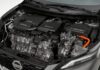
The engine code is typically located on the engine block, cylinder head, or a metal plate affixed to the engine bay. You can also find it in your vehicle’s documentation, VIN decoder tools, or by checking the registration documents. The code usually consists of letters and numbers that identify the specific engine type and variant.
Common locations to check
Finding your engine code requires knowing where manufacturers typically place this crucial information. Most vehicle makers follow standard practices, but there can be variations between brands and models.
Start by examining your V5C registration document, as this often contains the engine code in the “Engine code” field. Your service book may also list this information on the first few pages alongside other vehicle specifications.
Physical engine bay locations
The engine block itself is the most common location for engine codes. Look for a small metal plate riveted or bolted to the engine, usually positioned where it’s easily visible once you open the bonnet.
Check these specific areas:
- Top of the engine block near the cylinder head
- Side of the engine block facing the driver
- Engine cover or plastic housing
- Timing belt cover area
- Near the alternator mounting bracket
Many modern vehicles have the code stamped directly into the metal rather than on a separate plate. Use a torch or your mobile phone’s light to illuminate dark areas where the code might be located.
Using the VIN for engine identification
Your Vehicle Identification Number contains detailed information about your car, including the engine type. The VIN is located on your dashboard (visible through the windscreen), driver’s side door frame, or in your documentation.
Online VIN decoders can translate this 17-character code into specific vehicle details. Simply enter your VIN into a reliable decoder website, and it will display the engine code along with other specifications.
Professional tip: Clean the area around suspected code locations with a cloth before inspection. Years of grime and oil can make codes nearly invisible to the naked eye.
Manufacturer-specific locations
Different car manufacturers have preferred locations for engine codes. German manufacturers often place codes on the engine block’s front face, whilst Japanese brands frequently use stickers on the engine cover.
BMW and Mercedes typically stamp codes into the engine block near the cylinder head. Volkswagen Group vehicles usually have codes on the engine block’s left side when viewed from the front of the car.
Ford vehicles commonly display engine codes on a plate attached to the engine block or on the timing cover. Toyota and Honda often use stickers placed on the engine cover or air filter housing.
Digital methods and diagnostic tools
Modern vehicles store engine information in their electronic control units. Professional diagnostic equipment can retrieve this data directly from the car’s computer systems.
OBD-II scanners can sometimes display engine type information, though this varies by manufacturer. Many garage management systems automatically identify engine codes when connected to your vehicle’s diagnostic port.
Mobile apps that read diagnostic information may also provide engine code details. These typically require a Bluetooth OBD-II adapter that plugs into your car’s diagnostic socket.
Safety considerations when searching
Always ensure the engine is completely cool before attempting to locate codes on the engine block. Hot engine components can cause serious burns.
Make sure the vehicle is parked on level ground with the handbrake engaged. If you need to lean over the engine bay, avoid wearing loose clothing that could catch on moving parts.
Never attempt to clean code plates whilst the engine is running. Switch off the ignition and wait for the engine to cool down completely.
Step-by-step identification process
Step 1: gather your documentation
Collect your V5C registration document, service book, and owner’s manual. These often contain the engine code and save you from having to search the engine bay.
Check the vehicle specification page in your owner’s manual, as this typically lists the engine code alongside other technical details.
Step 2: prepare for engine bay inspection
Ensure the engine is completely cool and park on level ground. Open the bonnet and secure it properly using the bonnet stay.
Have a torch or use your mobile phone’s light ready, as engine codes are often located in shadowed areas that are difficult to see clearly.
Step 3: systematic visual inspection
Start at the top of the engine and work systematically downwards. Look for metal plates, stickers, or stamped numbers on the engine block itself.
Pay particular attention to areas around the timing belt cover and cylinder head, as these are common locations for engine identification codes.
Step 4: clean and verify
Once you locate a potential code, clean the area gently with a cloth to ensure you can read it clearly. Engine codes typically consist of letters and numbers in a specific format.
Take a photo of the code for future reference, especially if you’re ordering parts or booking service appointments.
Step 5: cross-reference and confirm
Verify the code you’ve found by checking it against manufacturer databases or parts catalogues. This ensures you’ve identified the correct engine variant.
Many spark plug manufacturers provide online tools where you can enter your engine code to find compatible parts.
Common mistakes to avoid
Don’t confuse the engine code with other numbers stamped on the engine block. Serial numbers, casting numbers, and part numbers are different from the engine identification code.
Avoid assuming that visually similar engines have the same code. Even engines that appear identical may have different specifications and therefore different codes.
Never rely solely on external appearance when identifying engines. Internal differences such as compression ratios or valve configurations can result in different engine codes for seemingly identical units.
Autopartspro specialist insight: We’ve seen countless cases where customers assumed they had the correct engine code based on appearance alone, only to discover compatibility issues when fitting parts. Always verify the actual stamped or printed code rather than making assumptions.
When should you need the engine code?
Engine codes become essential when ordering replacement parts, as different engine variants require specific components. Even parts that look identical may have subtle differences that affect compatibility.
You’ll need the engine code when:
- Ordering replacement engine components
- Booking service appointments
- Checking parts compatibility
- Researching performance modifications
- Selling your vehicle
Insurance companies may also request engine codes when processing claims or updating policies, particularly for modified vehicles.
Professional assistance options
If you’re unable to locate your engine code, most garages can identify it quickly using diagnostic equipment or their experience with specific vehicle models.
Dealership service departments have access to manufacturer databases that can provide exact engine specifications based on your VIN or registration number.
Parts suppliers often offer identification services where they can help determine your engine code based on vehicle details and visual inspection.
Yes, check your V5C registration document, service book, or use online VIN decoders which can provide engine code information without physical inspection.
No, engine codes can vary between model years even for the same basic engine, reflecting updates, emissions changes, or specification modifications.
Use your VIN for identification through online decoders, or consult a garage with diagnostic equipment that can identify engine specifications electronically.
Replacement engines may have different codes if they’re from different production runs or specification variants, even when functionally identical.
Engine codes usually range from 3-8 characters combining letters and numbers, though this varies significantly between manufacturers and vehicle types.
Knowing your engine code ensures you get the right parts every time, whether you’re replacing routine maintenance items or major components. With proper identification techniques and the right documentation, you can avoid compatibility issues and keep your vehicle running smoothly with correctly specified parts from trusted suppliers.

 Loading...