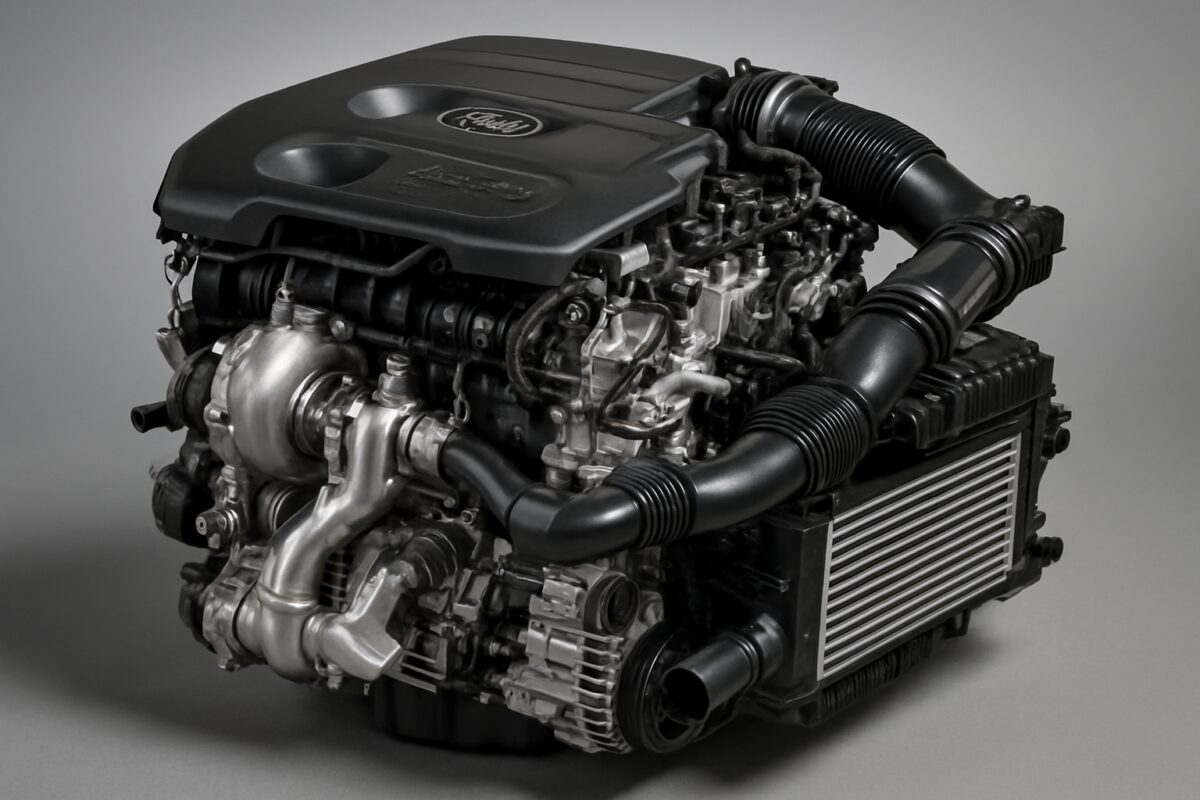
The Ford Kuga has established itself as a versatile mid-size SUV that appeals to families and adventure-seekers alike. The engine selection plays a crucial role in defining this vehicle’s character, offering a range of power outputs from efficient 1.5-litre units to robust 2.0-litre options. With power figures spanning from 120 to 240 horsepower and torque outputs reaching 400 Nm, the Kuga’s engine lineup caters to diverse driving needs whilst maintaining respectable fuel economy figures.
Comparison table of all engines
Understanding the specifications of each Ford Kuga engine helps in making an informed decision. The following table provides a comprehensive overview of the available powertrains:
| Engine | Power output | Torque | Fuel consumption | Reliability |
|---|---|---|---|---|
| 1.5 EcoBoost 120hp | 120 hp | 240 Nm | 7.2 L/100km | Good |
| 1.5 EcoBoost 150hp | 150 hp | 240 Nm | 7.0 L/100km | Good |
| 2.0 EcoBoost 245hp | 245 hp | 400 Nm | 8.5 L/100km | Very Good |
| 2.0 TDCi 120hp | 120 hp | 300 Nm | 5.8 L/100km | Excellent |
| 2.0 TDCi 150hp | 150 hp | 350 Nm | 6.2 L/100km | Excellent |
| 2.5 Duratec Hybrid | 190 hp | 200 Nm | 5.4 L/100km | Very Good |
1.5 EcoBoost petrol engine overview
The 1.5-litre EcoBoost represents Ford’s commitment to downsized efficiency without sacrificing performance. This turbocharged inline-4 configuration utilises direct fuel injection and variable valve timing to optimise combustion. Available in both 120hp and 150hp variants, this unit employs a single turbocharger to enhance power delivery across the rev range.
The displacement of 1,499cc incorporates Ford’s advanced EcoBoost technology, which combines turbocharging with direct injection. Running on petrol with a sophisticated fuel injection system, this naturally aspirated design has been refined through multiple generations to deliver optimal balance between performance and economy.
Pros
- Excellent fuel economy for urban driving
- Smooth power delivery throughout the rev range
- Lower initial purchase cost compared to diesel alternatives
- Responsive throttle input and quick acceleration
- Relatively low maintenance requirements
Cons
- Higher fuel consumption during motorway cruising
- Carbon build-up issues on intake valves over time
- Turbocharger replacement can be costly
- Performance drops significantly when turbo fails
2.0 TDCi diesel engine overview
Ford’s 2.0-litre TDCi diesel engine represents the pinnacle of compression-ignition technology in the Kuga lineup. This inline-4 turbocharged unit delivers exceptional torque characteristics that suit the SUV’s intended purpose. With displacements of exactly 1,997cc, the engine features a sophisticated common-rail injection system.
The turbocharged configuration utilises a variable geometry turbocharger to optimise boost pressure across different engine speeds. Operating on diesel fuel with high-pressure common-rail injection, this powerplant incorporates fuel filtration systems that require regular maintenance to ensure longevity.
Pros
- Outstanding fuel economy on long-distance journeys
- Impressive torque output ideal for towing
- Proven reliability with proper maintenance
- Lower CO2 emissions compared to petrol variants
- Strong resale value in the used car market
Cons
- Higher purchase price than petrol equivalents
- Diesel particulate filter issues with short journeys
- More expensive service intervals and parts
- Potential for injector problems in high-mileage vehicles
2.0 EcoBoost performance engine overview
The flagship 2.0-litre EcoBoost engine delivers exceptional performance credentials that transform the Kuga into a genuinely quick SUV. This turbocharged inline-4 powerplant produces 245 horsepower and 400 Nm of torque, representing Ford’s most potent offering in this segment.
With a displacement of 1,998cc, this turbocharged unit features twin-scroll turbocharging technology for reduced lag and improved response. The petrol engine utilises direct injection with port fuel injection for optimal fuel atomisation and power delivery. Regular maintenance of components like air filters ensures optimal performance.
Pros
- Impressive acceleration and overtaking ability
- All-wheel drive capability for enhanced traction
- Refined power delivery with minimal turbo lag
- Strong mid-range torque for effortless cruising
- Advanced engine management systems
Cons
- Higher fuel consumption across all driving conditions
- Premium fuel recommended for optimal performance
- More complex engine systems increase potential failure points
- Higher insurance costs due to performance classification
2.5 Duratec hybrid engine overview
Ford’s hybrid powertrain combines a 2.5-litre naturally aspirated petrol engine with an electric motor system. This Atkinson-cycle engine produces 190 horsepower combined system output, prioritising efficiency over outright performance. The electric motor assists during acceleration and enables electric-only driving at low speeds.
The naturally aspirated configuration operates without turbocharging, relying instead on the electric motor for additional performance. Running on petrol with port fuel injection, the system incorporates regenerative braking to recharge the hybrid battery. Proper maintenance of electrical components ensures system reliability.
Pros
- Exceptional fuel economy in urban environments
- Lower emissions suitable for city driving restrictions
- Silent electric-only operation at low speeds
- Reduced brake wear due to regenerative systems
- Future-proof technology with government incentives
Cons
- Higher initial purchase price than conventional engines
- Limited electric-only range capability
- Battery replacement costs after warranty period
- Additional weight affects handling characteristics
Maintenance cost
Understanding the long-term costs associated with each Ford Kuga engine helps in making an informed purchasing decision. The following breakdown shows typical service intervals and associated costs:
| Engine | Recommended Interval | Estimated Cost | Cost per 10,000 miles |
|---|---|---|---|
| 1.5 EcoBoost | 12,500 miles | £280 | £224 |
| 2.0 TDCi | 12,500 miles | £340 | £272 |
| 2.0 EcoBoost | 10,000 miles | £320 | £320 |
| 2.5 Hybrid | 10,000 miles | £290 | £290 |
Our AutoPartsPro specialists recommend using genuine oil filters during service intervals to maintain optimal engine performance and warranty compliance.
Engine sound and character
Each Ford Kuga engine delivers a distinct acoustic signature and driving character. The 1.5 EcoBoost produces a refined three-cylinder thrum with minimal intrusion into the cabin, whilst the 2.0 TDCi offers the characteristic diesel clatter that many find reassuring.
The 2.0 EcoBoost generates a more aggressive exhaust note that reflects its performance credentials, particularly under acceleration. Meanwhile, the hybrid system operates almost silently during electric-only operation, creating an eerily quiet driving experience in urban environments.
According to our technical team, proper maintenance of the exhaust system components helps preserve each engine’s intended sound character and performance delivery.
Who each engine is best for
Selecting the appropriate Ford Kuga engine depends heavily on individual driving patterns and requirements. Each powerplant serves different user profiles effectively:
| Engine | Daily commuters | Performance enthusiasts | Long-distance drivers | Budget-conscious owners |
|---|---|---|---|---|
| 1.5 EcoBoost 120hp | Excellent | Poor | Fair | Excellent |
| 1.5 EcoBoost 150hp | Very Good | Fair | Good | Good |
| 2.0 TDCi | Good | Fair | Excellent | Fair |
| 2.0 EcoBoost | Fair | Excellent | Good | Poor |
| 2.5 Hybrid | Excellent | Poor | Fair | Fair |
Frequently Asked Questions (FAQ)
Which Ford Kuga engine is most reliable?
The 2.0 TDCi diesel engines demonstrate exceptional reliability when properly maintained, with many examples exceeding 200,000 miles without major issues.
What’s the difference between 1.5 EcoBoost variants?
Both engines share identical displacement and configuration, but the 150hp version features enhanced turbocharger mapping and improved cooling systems for increased output.
Are Ford Kuga hybrid engines worth the extra cost?
Hybrid variants excel in urban environments with stop-start traffic, delivering significant fuel savings that offset higher purchase prices over extended ownership periods.
How often should I service my Ford Kuga engine?
Most Ford Kuga engines require servicing every 12,500 miles, though performance variants may benefit from more frequent oil changes for optimal longevity.
Which engine offers the best fuel economy?
The 2.5 Duratec hybrid system delivers superior fuel economy in mixed driving conditions, achieving approximately 5.4 L/100km in real-world testing scenarios.

 Loading...