The Volvo XC90 stands as one of Sweden’s most prestigious luxury SUVs, renowned for its safety credentials and Scandinavian design. However, like any complex vehicle, the XC90 has experienced its share of reliability issues across different generations. Understanding these common problems can help current and prospective owners make informed decisions about maintenance, repairs, and purchases.
Air suspension failures
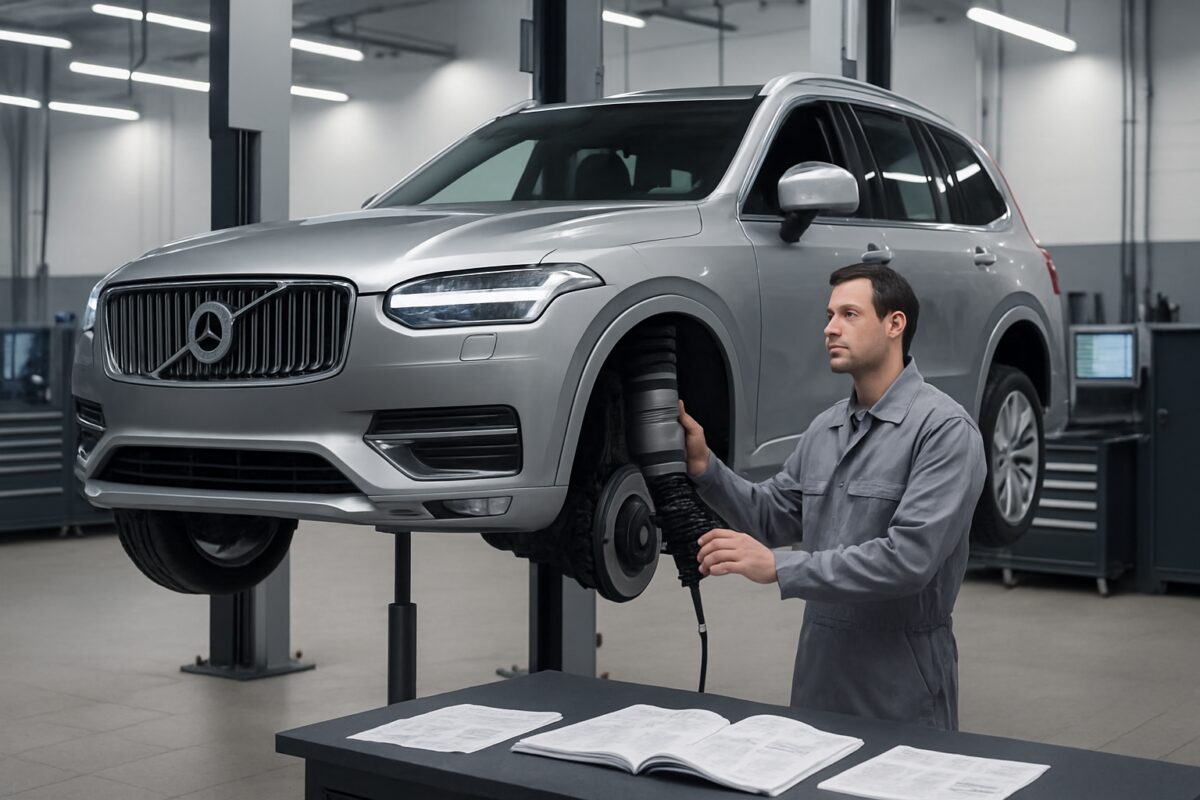
The XC90’s sophisticated air suspension system represents one of the most significant problem areas for owners. The electronically controlled air springs are designed to provide superior ride comfort and adjustable ground clearance, but they’re prone to premature failure.
Common symptoms include the vehicle sagging on one corner, harsh ride quality, or warning messages on the dashboard. The shock absorber compressor often fails between 60,000-100,000 miles, whilst the air springs themselves can develop leaks much earlier.
Replacement costs for a single air spring range from £400-600, whilst a complete system overhaul can exceed £2,000. Many owners opt to convert to conventional coil springs, which costs around £800-1,200 but eliminates future air suspension problems.
> **Expert tip from AutoPartsPro mechanics:** Monitor your XC90’s ride height regularly. If you notice any unevenness when parked overnight, have the air suspension checked immediately to prevent compressor damage.
Electronic throttle module problems
The XC90’s drive-by-wire throttle system frequently develops faults that can leave drivers stranded. The electronic throttle module (ETM) controls engine power delivery, and when it fails, the vehicle often enters ‘limp mode’ or won’t start at all.
Symptoms include sudden loss of power, erratic idling, and dashboard warning lights. The problem typically manifests between 80,000-120,000 miles and affects both petrol and diesel variants. Cold weather can trigger temporary faults that become permanent over time.
A replacement ETM costs £300-500 for the part alone, with labour adding another £150-250. Some independent specialists offer rebuilding services for around £200, though reliability varies.
Automatic transmission issues
The Aisin six-speed automatic gearbox fitted to many XC90s suffers from several well-documented problems. Harsh shifting, delayed engagement, and complete transmission failure are common complaints, particularly in vehicles with high mileage or poor maintenance history.
The transmission control module frequently fails, causing erratic shifting patterns and warning lights. Automatic transmission fluid contamination accelerates wear, whilst the valve body can develop internal faults.
Transmission rebuilds typically cost £2,500-4,000, making this one of the most expensive XC90 repairs. Regular fluid changes every 40,000 miles can significantly extend transmission life.
Rear differential problems
The XC90’s all-wheel-drive system relies on a complex rear differential that’s susceptible to premature wear. The Haldex coupling, which manages torque distribution between front and rear wheels, often fails due to inadequate lubrication or contaminated fluid.
Warning signs include vibration during acceleration, strange noises from the rear axle, and uneven tyre wear. The problem typically occurs between 70,000-100,000 miles and can cause complete loss of all-wheel-drive functionality.
Haldex unit replacement costs £1,200-1,800, whilst preventive maintenance involves changing the Haldex oil every 20,000 miles at a cost of £80-120.
Engine cooling system failures
Both the T6 petrol and D5 diesel engines suffer from cooling system problems that can lead to catastrophic engine damage. The water pump frequently fails without warning, whilst the expansion tank develops cracks that cause coolant loss.
The plastic expansion tank becomes brittle over time, particularly in vehicles exposed to extreme temperatures. Radiator failures are also common, often caused by road debris or internal corrosion.
A complete cooling system overhaul, including water pump, thermostat, and expansion tank, costs £800-1,200. Engine damage from overheating can result in repair bills exceeding £5,000.
> **Professional advice:** Never ignore cooling system warning lights. Even brief overheating can warp cylinder heads or damage the engine block beyond economical repair.
Warning signs your car has a problem
Recognising early symptoms can prevent minor issues from becoming major failures. Watch for these key indicators:
- Dashboard warning lights, particularly those related to engine management, transmission, or suspension
- Changes in ride height or handling characteristics
- Unusual noises from the engine bay, transmission, or rear axle
- Vibrations during acceleration or braking
- Fluid leaks under the vehicle after parking
How to fix the problems
| Problem | DIY Difficulty | Professional Cost | Prevention |
|---|---|---|---|
| Air suspension failure | Advanced | £400-2,000 | Regular visual inspection |
| Throttle module fault | Moderate | £450-750 | Quality fuel and regular servicing |
| Transmission problems | Expert only | £2,500-4,000 | Fluid changes every 40k miles |
| Differential wear | Advanced | £1,200-1,800 | Haldex oil changes every 20k miles |
| Cooling system failure | Moderate | £800-1,200 | Regular coolant checks and changes |
When to see a mechanic
Certain XC90 problems require immediate professional attention to prevent escalation. Contact a qualified technician if you experience sudden power loss, transmission slipping, or any cooling system warnings.
Electrical faults affecting the throttle body or transmission control systems need diagnostic equipment that most home mechanics lack. Similarly, air suspension and differential repairs require specialised tools and knowledge.
For routine maintenance and minor repairs, experienced DIY mechanics can handle tasks like brake pad replacement or oil filter changes. However, the XC90’s complexity means professional servicing is essential for longevity.
| Maintenance Item | Interval | Approximate Cost |
|---|---|---|
| Engine oil and filter | 10,000 miles | £80-120 |
| Transmission fluid | 40,000 miles | £150-200 |
| Haldex oil change | 20,000 miles | £80-120 |
| Coolant system flush | 60,000 miles | £120-180 |
| Air suspension inspection | Annual | £60-100 |
Frequently asked questions
What years of XC90 should I avoid buying?
Avoid 2003-2006 models due to early air suspension and transmission problems. The 2016-2019 models also show concerning reliability trends.
How much does XC90 maintenance cost annually?
Expect £1,200-2,000 yearly for routine maintenance, excluding major repairs like transmission or air suspension failures.
Are XC90 repairs more expensive than other luxury SUVs?
Yes, XC90 repairs typically cost 15-25% more than comparable German competitors due to parts availability and complexity.
Can I convert air suspension to regular springs?
Yes, conversion kits cost £800-1,200 and eliminate future air suspension problems whilst maintaining reasonable ride quality.
How long do XC90 transmissions typically last?
With proper maintenance, expect 120,000-150,000 miles. Neglected units often fail around 80,000-100,000 miles.
Final recommendation
The Volvo XC90 remains a compelling luxury SUV choice despite its reliability challenges. Our AutoPartsPro specialists recommend focusing on well-maintained examples with complete service histories, particularly those that have had preventive work completed on known problem areas.
For prospective buyers, budget an additional £1,500-2,500 annually for repairs beyond standard maintenance. Consider purchasing an extended warranty or setting aside funds for inevitable major repairs. The proper maintenance schedule can significantly extend component life.
Current owners should prioritise preventive maintenance, particularly transmission and Haldex fluid changes, cooling system monitoring, and regular air suspension inspections. Early intervention often prevents expensive failures and maintains the XC90’s renowned safety and comfort characteristics.

 Loading...