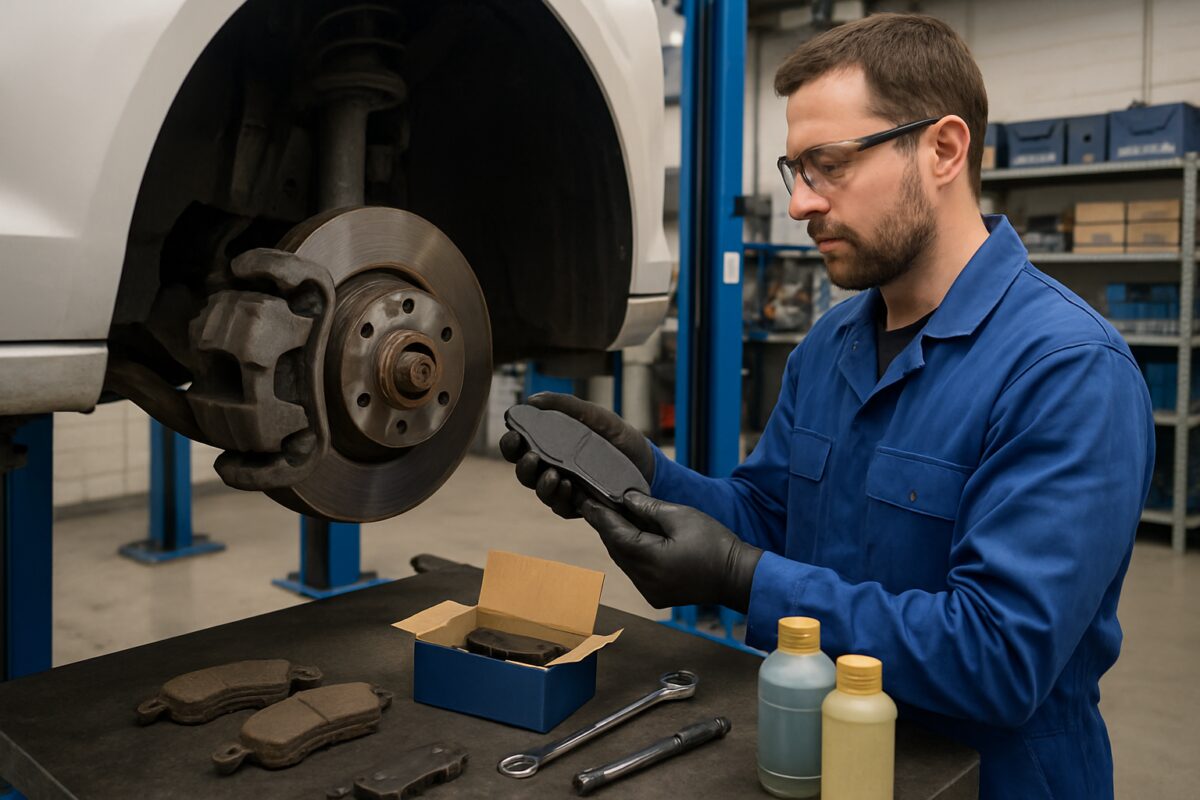
Brake pad replacement costs in the UK typically range from £75 to £350 per axle, depending on your vehicle type, location, and pad quality. Front brake pads usually cost between £100-250 per axle, whilst rear pads range from £75-200. Labour charges add £50-150 to the total, making complete replacement cost £125-500 for both axles. Premium vehicles like BMW or Mercedes can cost significantly more, reaching £400-600 per axle.
Understanding brake pad replacement costs helps you budget for this essential maintenance task. Regular brake servicing ensures your vehicle’s safety and prevents costly damage to other braking components. According to our Autopartspro mechanics, catching worn pads early can save hundreds of pounds in additional repairs.
Average brake pad replacement costs across the UK
Regional variations significantly affect brake pad replacement pricing throughout Britain. London and surrounding areas typically charge the highest rates, whilst Northern England and Scotland often offer more competitive pricing.
| Region | Front Axle Cost | Rear Axle Cost | Complete Set |
|---|---|---|---|
| London & South East | £120-300 | £90-250 | £210-550 |
| Midlands | £100-250 | £80-200 | £180-450 |
| North England | £90-220 | £70-180 | £160-400 |
| Scotland & Wales | £85-200 | £65-170 | £150-370 |
These price ranges include parts and labour from independent garages. Main dealerships typically charge 20-40% more for identical services. However, our technical specialists at Autopartspro recommend shopping around, as prices can vary dramatically even within the same postcode area.
Factors affecting brake pad replacement pricing
Several variables influence the final cost of your brake pad replacement. Vehicle make and model represents the most significant factor, with luxury brands requiring specialist pads that cost considerably more than standard options.
Pad material choice dramatically impacts pricing. Basic organic pads start from £20 per set, whilst premium ceramic options can exceed £100. Semi-metallic pads offer excellent value, typically costing £30-60 per set with superior performance characteristics.
Vehicle-specific cost variations
Different vehicle categories require distinct pad specifications, directly affecting replacement costs. Here’s how various vehicle types compare:
- Small hatchbacks (Ford Fiesta, Vauxhall Corsa): £75-180 per axle
- Family saloons (Ford Mondeo, Honda Accord): £100-220 per axle
- SUVs and 4x4s (Nissan Qashqai, BMW X3): £120-280 per axle
- Performance vehicles (Audi S4, BMW M3): £200-400 per axle
- Commercial vans (Ford Transit, Mercedes Sprinter): £90-250 per axle
Performance and luxury vehicles often require specialised brake pads with enhanced stopping power. These premium components justify their higher cost through improved safety margins and extended service life.
Professional installation vs DIY replacement
Labour costs typically account for 30-50% of total brake pad replacement expenses. Professional installation ensures proper fitment and safety compliance, but DIY replacement can reduce costs significantly for mechanically competent individuals.
Our experienced technicians at Autopartspro strongly advise professional installation for safety reasons. Improperly fitted brake pads can cause catastrophic brake failure, potentially resulting in serious accidents. The modest savings from DIY installation rarely justify the enormous safety risks involved.
Labour time and complexity
Standard brake pad replacement typically requires 1-2 hours per axle, depending on vehicle complexity. Some vehicles feature additional components that increase labour time:
- Electronic parking brake systems requiring specialist diagnostic equipment
- Integrated wear sensors needing careful handling during installation
- Multi-piston calipers requiring additional dismantling procedures
- Brake disc replacement simultaneously with pad changes
- Brake fluid system bleeding following component replacement
These factors can double installation time, significantly increasing labour charges. Always request detailed quotes outlining specific work requirements before authorising repairs.
Additional costs and related services
Brake pad replacement often reveals additional maintenance requirements that increase total costs. Worn brake rotors frequently need resurfacing or replacement alongside new pads, adding £50-200 to your bill.
Brake fluid replacement becomes necessary every 2-3 years, regardless of pad condition. This service typically costs £40-80 but prevents expensive brake component corrosion. Similarly, seized brake calipers may require attention, potentially adding £100-300 to replacement costs.
| Additional Service | Typical Cost Range | Frequency Required |
|---|---|---|
| Brake disc skimming | £25-50 per disc | Every 2nd pad change |
| Brake disc replacement | £80-200 per pair | Every 3rd pad change |
| Brake fluid change | £40-80 complete | Every 2-3 years |
| Caliper servicing | £50-150 per caliper | As required |
Quality brake maintenance prevents these additional expenses through regular inspection and timely replacement. Our mechanics recommend checking brake components every 12,000 miles to identify potential issues before they become expensive problems.
Brake pad types and their cost implications
Understanding different pad materials helps you make informed decisions balancing cost against performance requirements. Each type offers distinct advantages suited to specific driving conditions and budgets.
Organic pads provide adequate stopping power for normal driving conditions at the lowest cost. Semi-metallic options deliver enhanced performance with moderate price increases, whilst ceramic pads offer premium performance at significantly higher costs.
Organic brake pads
These budget-friendly options suit everyday driving with minimal performance demands. Organic pads typically cost £20-40 per axle set but require more frequent replacement than premium alternatives. They produce minimal noise and dust but offer reduced stopping power under extreme conditions.
Semi-metallic brake pads
Offering excellent value for money, semi-metallic pads cost £30-70 per axle set whilst delivering superior performance compared to organic alternatives. They handle heat better and last longer, making them ideal for mixed driving conditions including motorway and city use.
Ceramic brake pads
Premium ceramic pads justify their £60-120 cost through exceptional performance and longevity. They produce minimal dust, operate quietly, and provide consistent stopping power across all temperature ranges. These pads suit performance vehicles and drivers prioritising maximum safety margins.
“Always choose brake pads appropriate for your driving style and vehicle requirements. Whilst budget options seem attractive, investing in quality pads often proves more economical long-term through extended service life and improved safety.” – Senior Technician, Autopartspro
Warning signs requiring immediate brake pad replacement
Recognising brake pad wear symptoms prevents expensive damage to other braking components. Our technical experts identify several clear indicators that warrant immediate professional attention.
Squealing noises during braking indicate wear indicator contact with brake discs. This built-in warning system alerts drivers to schedule replacement before pad backing plates damage expensive discs. Ignoring these sounds can triple repair costs through additional component damage.
Visual and performance indicators
Several observable signs indicate brake pad replacement necessity:
- Brake pad thickness below 3mm when viewed through wheel spokes
- Grooves or scoring visible on brake disc surfaces
- Increased brake pedal travel before engagement occurs
- Vehicle pulling to one side during braking applications
- Vibration through brake pedal or steering wheel when stopping
Professional brake inspection every 12 months helps identify these issues early. Most reputable garages offer free brake checks, providing valuable insight into component condition without commitment to expensive repairs.
Money-saving tips for brake pad replacement
Strategic planning reduces brake pad replacement costs without compromising safety. Shopping around for quotes reveals significant price variations between different service providers, potentially saving £100+ on identical work.
Purchasing quality brake components online before visiting garages can reduce total costs substantially. Many workshops accept customer-supplied parts whilst maintaining full installation warranties, combining convenience with cost savings.
- Compare quotes from minimum three different garages before deciding
- Consider independent specialists over main dealerships for significant savings
- Purchase brake pads online during promotional periods for maximum discounts
- Schedule replacement during quieter periods when garages offer competitive rates
- Bundle brake work with other scheduled maintenance for potential package discounts
Regular brake inspections prevent emergency replacements that typically cost more due to limited supplier choice. Planning ahead allows time for price comparison and component sourcing at optimal rates.
Brake maintenance extending pad life
Proper driving techniques significantly extend brake pad lifespan, reducing replacement frequency and associated costs. Anticipatory driving reduces heavy braking requirements that accelerate pad wear, particularly in stop-start traffic conditions.
Engine braking through gear selection provides supplementary stopping power without engaging friction brakes. This technique proves especially effective during motorway driving and long descents where continuous braking would otherwise overheat components.
Regular brake fluid maintenance prevents internal corrosion that causes uneven pad wear. Contaminated fluid reduces braking efficiency whilst accelerating component deterioration, ultimately increasing replacement costs through premature failure.
Choosing the right brake specialist
Selecting qualified brake specialists ensures safe, reliable repairs whilst potentially reducing costs through competitive pricing. Look for workshops displaying relevant trade certifications and offering comprehensive warranties on parts and labour.
Established local garages often provide better value than chain operations through reduced overheads and competitive pricing. However, always verify insurance coverage and professional qualifications before entrusting safety-critical brake work to any provider.
Request detailed written quotes including part specifications and labour breakdown before authorising work. This transparency prevents unexpected charges whilst ensuring appropriate components for your specific vehicle requirements. Quality brake specialists welcome customer questions and provide clear explanations of recommended work.
Understanding brake pad replacement costs empowers you to make informed decisions about this essential maintenance. Whether you choose budget-friendly options or premium components, prioritising safety through professional installation and quality parts ensures reliable stopping power for thousands of miles ahead. Regular maintenance and careful driving extend component life, maximising value from your brake system investment whilst maintaining the safety standards your family deserves.
Frequently asked questions
How often should brake pads be replaced in the UK?
Brake pads typically need replacement every 25,000-60,000 miles, depending on driving conditions and pad quality. City driving and stop-start traffic accelerate wear significantly.
Can I replace brake pads myself to save money?
Whilst technically possible, professional installation is strongly recommended for safety reasons. Improperly fitted brake pads can cause dangerous brake failure and void insurance coverage.
Do front and rear brake pads cost the same?
Front brake pads typically cost more than rear pads due to larger size and higher performance requirements. Front pads handle 60-70% of braking force.
Should brake discs be replaced with new pads?
Not always necessary, but worn or damaged discs should be replaced or resurfaced. This prevents premature pad wear and ensures optimal braking performance.
How long does brake pad replacement take?
Professional replacement typically takes 1-2 hours per axle. Complex systems with electronic components may require additional time for proper calibration and testing.

 Loading...