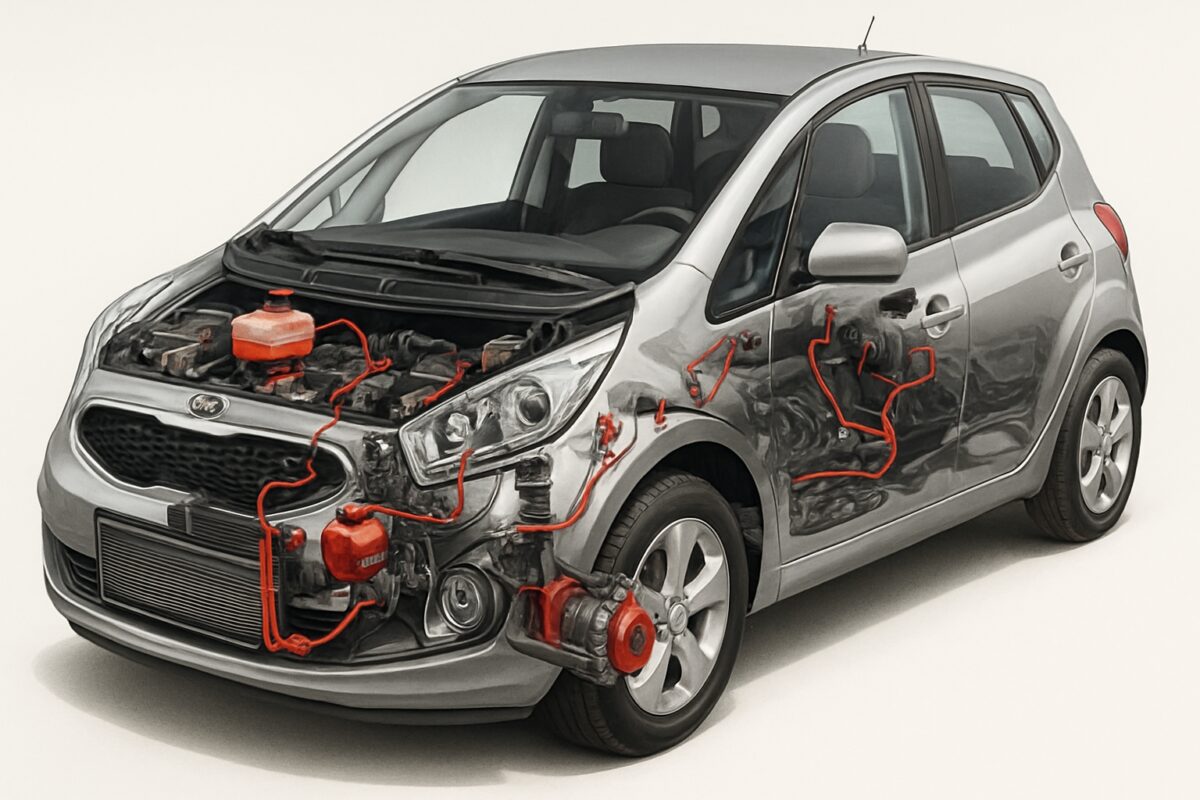
The KIA Venga, produced between 2009 and 2019, represents a unique mini-MPV that combines practicality with compact dimensions. Despite its innovative design and spacious interior, several common problems have emerged amongst UK owners, ranging from electrical gremlins to mechanical failures that can significantly impact reliability and running costs.
Electrical system malfunctions
One of the most frustrating issues affecting KIA Venga owners is electrical system problems. The vehicle’s central locking system frequently develops faults, with door locks failing to respond to the key fob or working intermittently. This problem often stems from faulty actuators within the door mechanisms or failing control modules.
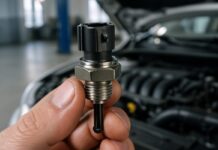
Dashboard warning lights appearing without apparent cause create additional headaches for drivers. The engine management light illuminates regularly, often triggered by sensor malfunctions rather than serious engine problems. Our specialists at Autopartspro have observed that sensors throughout the vehicle tend to deteriorate prematurely, particularly oxygen sensors and temperature sensors.
Window mechanisms represent another electrical weak point. Power windows operate sluggishly or stop working entirely, typically due to worn window mechanism components or faulty switches. The rear windows are particularly susceptible to failure.
Regular cleaning of electrical connections and prompt replacement of faulty sensors can prevent many electrical issues from escalating into expensive repairs.
Cooling system failures
Cooling system problems plague many KIA Venga models, particularly those equipped with the 1.4 and 1.6-litre petrol engines. The most common issue involves coolant leaks from various system components, including the radiator, expansion tank, and connecting hoses.
The expansion tank cap frequently fails, causing coolant loss and potential overheating. This seemingly minor component failure can lead to catastrophic engine damage if left unaddressed. Many owners report recurring coolant top-ups without visible external leaks, indicating internal head gasket problems.
Thermostat failures occur regularly, causing either overcooling or overheating conditions. A stuck-open thermostat prevents the engine from reaching optimal operating temperature, whilst a stuck-closed unit can cause dangerous overheating. The cooling fan assembly also develops faults, with both the motor and fan clutch requiring periodic replacement.
Water pump bearing wear becomes evident through squealing noises from the engine bay, particularly during cold starts. Prompt replacement of the water pump prevents catastrophic coolant loss and engine seizure.
Suspension and steering complications
The KIA Venga’s suspension system experiences premature wear, particularly in the front components. Shock absorbers deteriorate rapidly, creating uncomfortable ride quality and reduced handling stability. The vehicle’s relatively high centre of gravity exacerbates suspension stress during cornering and braking.
Anti-roll bar links develop excessive play, producing knocking noises over bumps and during direction changes. These components are relatively inexpensive but require regular inspection and replacement to maintain vehicle safety and comfort.
Steering rack problems manifest as increased play in the steering wheel and difficulty maintaining straight-line stability. Power steering pump failures create heavy steering, particularly at low speeds or during parking manoeuvres. The power steering fluid reservoir often develops leaks, requiring regular monitoring and topping up.
Front suspension bushes wear prematurely, creating vibrations through the steering wheel and uneven tyre wear patterns. Ball joint wear becomes apparent through increased road noise and wandering steering behaviour.
Regular suspension inspections during MOT tests can identify worn components before they create safety hazards or expensive secondary damage.
Engine and transmission problems
The KIA Venga’s engine lineup, whilst generally reliable, suffers from specific recurring issues. The 1.4-litre petrol engine develops timing chain stretch, creating rattling noises during startup and potential catastrophic failure if ignored. Regular oil changes using the correct specification help prevent premature chain wear.
Diesel variants experience DPF (diesel particulate filter) problems, particularly in vehicles used primarily for short urban journeys. The regeneration process fails to complete properly, causing the filter to become blocked and triggering warning lights. Professional DPF cleaning or replacement becomes necessary when blockages occur.
Manual transmission problems include clutch judder and premature clutch wear, particularly in vehicles subjected to heavy stop-start driving conditions. The clutch release bearing develops noise, whilst the clutch master cylinder occasionally fails, causing pedal fade and difficulty selecting gears.
Automatic transmission variants suffer from delayed gear engagement and harsh shifting, often requiring expensive fluid changes and valve body repairs. The transmission control module occasionally develops faults, causing erratic shifting patterns and warning light illumination.
Warning signs your car has a problem
Recognising early warning signs prevents minor issues from becoming expensive repairs:
- Dashboard warning lights remaining illuminated after engine startup
- Unusual noises from suspension during cornering or braking
- Coolant level dropping without visible external leaks
- Electrical components operating intermittently or failing completely
- Steering wheel vibration or increased play in steering
How to fix the problems
| Problem Category | Common Solutions | Typical Cost Range |
|---|---|---|
| Electrical faults | Replace faulty sensors, clean connections, update software | £50-£300 |
| Cooling system | Replace expansion tank, thermostat, water pump, radiator | £80-£450 |
| Suspension issues | Replace shock absorbers, bushes, anti-roll bar links | £120-£600 |
| Engine problems | Timing chain replacement, DPF cleaning, clutch renewal | £200-£1,500 |
Prevention remains more cost-effective than reactive repairs. Regular maintenance schedules should include:
- Annual coolant system pressure testing
- Bi-annual suspension component inspection
- Regular DPF regeneration cycles for diesel variants
When to see a mechanic
Professional diagnosis becomes essential when warning lights persist after basic troubleshooting attempts. Unusual noises from the engine bay, steering system, or suspension require immediate professional attention to prevent safety hazards.
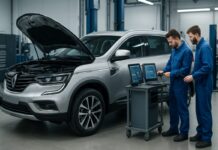
Coolant loss without obvious external leaks indicates potential head gasket problems requiring specialist diagnostic equipment. Electrical faults affecting safety systems like ABS or airbags demand immediate professional inspection.
Any symptoms affecting vehicle stability, steering response, or braking performance warrant urgent professional evaluation. Delaying repairs in these areas can create dangerous driving conditions and potentially expensive secondary damage.
How often should I replace the DPF on my KIA Venga diesel?
DPF replacement typically occurs every 80,000-120,000 miles, depending on driving conditions and maintenance quality.
What causes the KIA Venga’s electrical problems?
Most electrical issues stem from poor connections, failing sensors, or control module software glitches requiring diagnostic scanning.
Can I drive with a faulty cooling system?
Never drive with cooling system faults, as engine overheating can cause catastrophic damage within minutes.
How much does KIA Venga suspension repair cost?
Suspension repairs range from £120 for bushes to £600 for complete shock absorber replacement sets.
Is the KIA Venga timing chain replacement expensive?
Timing chain replacement costs £800-£1,200 including labour, but prevents catastrophic engine damage if addressed promptly.
Final recommendation
The KIA Venga offers excellent practicality but requires proactive maintenance to avoid common reliability pitfalls. Regular servicing using genuine or OEM-quality parts significantly reduces the likelihood of expensive failures. Our experience at Autopartspro demonstrates that owners who address minor issues promptly enjoy significantly lower long-term running costs. When purchasing used examples, prioritise vehicles with complete service histories and evidence of recent cooling system and suspension maintenance. Budget £500-£800 annually for preventive maintenance to keep your Venga reliable and roadworthy. For replacement parts and components, quality matters more than price when ensuring long-term reliability.

 Loading...