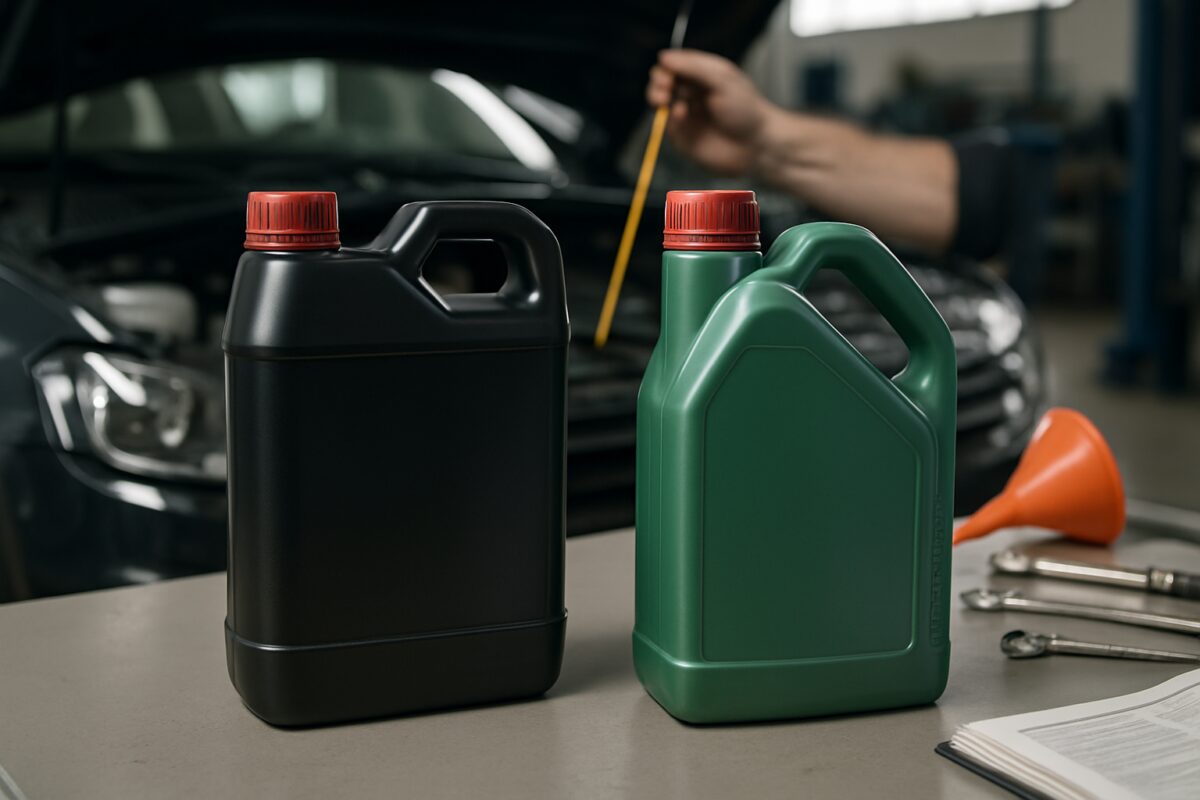
Liqui Moly offers superior additive technology with German engineering precision, whilst Castrol provides trusted mainstream protection with broader availability and competitive pricing. Both brands deliver excellent engine protection, but Liqui Moly excels in performance additives and fuel system cleaners, making it ideal for enthusiasts seeking maximum engine efficiency. Castrol suits everyday drivers wanting reliable, cost-effective lubrication with proven track record across all vehicle types.
Quick comparison table
| Feature | Liqui Moly | Castrol |
|---|---|---|
| Price range | £35-65 per 5L | £25-45 per 5L |
| Durability | Extended drain intervals | Standard service intervals |
| Performance | High-performance additives | Consistent mainstream protection |
| Availability | Specialist retailers mainly | Widely available everywhere |
| Maintenance | Reduces deposit formation | Standard cleaning properties |
| Best use case | Performance cars, older engines | Daily drivers, fleet vehicles |
The choice between these German and British-owned brands often comes down to specific requirements and budget considerations. Let’s examine each option thoroughly.
Liqui Moly overview
This German manufacturer has built its reputation on advanced additive technology and comprehensive engine oil formulations. Founded in 1957, Liqui Moly specialises in high-performance lubricants that exceed standard specifications.
Their products work through molybdenum disulphide (MoS2) technology, creating a protective film on metal surfaces. This reduces friction even when oil pressure drops, particularly beneficial during cold starts. The company produces oils meeting ACEA A3/B4 and API SN+ specifications.
Typical pricing ranges from £35-65 for 5 litres, positioning it as a premium option. Popular variants include Top Tec 4100 (5W-40) and Synthoil Energy (0W-30), both offering excellent thermal stability and oxidation resistance.
Pros:
- Superior additive package reduces engine wear
- Excellent cold-start protection
- Extended service intervals possible
- Proven performance in older engines
- Comprehensive product range including additives
Cons:
- Higher purchase cost than mainstream brands
- Limited availability in some areas
- May be unnecessary for basic driving needs
Ideal for performance enthusiasts, classic car owners, and drivers seeking maximum engine protection. Works particularly well in German vehicles like BMW, Mercedes-Benz, and Volkswagen where extended drain intervals are common.
Castrol overview
Established in 1899, Castrol represents one of the world’s most recognised lubrication brands. Now owned by BP, this company offers comprehensive coverage across all vehicle segments with proven reliability.
Their formulations utilise synthetic blend and full synthetic base stocks with balanced additive packages. Castrol Edge features Fluid Titanium Technology, whilst Magnatec uses intelligent molecules that cling to engine components during shutdown periods.
Pricing typically ranges £25-45 for 5 litres, making it accessible to mainstream motorists. Popular products include Edge 5W-30, Magnatec 5W-40, and GTX High Mileage formulations for vehicles exceeding 75,000 miles.
Pros:
- Competitive pricing across all viscosity grades
- Widely available at petrol stations and retailers
- Proven track record in motorsport applications
- Comprehensive range for all engine types
- Strong OEM approvals from major manufacturers
Cons:
- Less advanced additive technology than premium brands
- Standard service intervals required
- Limited cleaning properties for heavily contaminated engines
Perfect for daily drivers, fleet operators, and budget-conscious motorists requiring reliable protection. Particularly suitable for newer vehicles under warranty where OEM specifications must be met precisely.
Compatibility
Both brands offer extensive compatibility across vehicle manufacturers, but specific approvals vary significantly. Understanding these differences prevents costly warranty issues and ensures optimal performance.
Liqui Moly holds approvals from Mercedes-Benz (MB 229.5), BMW (Longlife-01), and Volkswagen (VW 502.00/505.00). Their formulations often exceed manufacturer specifications, providing additional protection margins. Check your vehicle handbook for specific requirements before purchasing.
Castrol maintains broader OEM approval coverage, including Ford WSS-M2C913-D, General Motors dexos1 Gen 2, and Chrysler MS-6395. Their mainstream positioning means compatibility with most European, American, and Asian vehicles manufactured after 2000.
Professional tip: Always verify viscosity grade requirements before switching brands. Some modern engines require specific low-viscosity oils (0W-20, 5W-20) for fuel economy compliance, whilst older engines may need thicker grades (10W-40, 15W-40) for adequate protection.
Installation considerations include checking oil filter compatibility and drain plug specifications. Both manufacturers recommend using quality filters that meet or exceed OEM standards. Consider upgrading to high-efficiency filters when using premium oils to maximise protection benefits.
Model year considerations affect approval requirements. Vehicles manufactured before 2010 generally have less stringent specifications, whilst Euro 6 engines demand low-SAPS (Sulphated Ash, Phosphorus, Sulphur) formulations to protect exhaust after-treatment systems.
Final verdict
Choose Liqui Moly for maximum engine protection, extended service capabilities, and superior additive technology. This German brand excels in performance applications, older engines requiring extra care, and situations where premium protection justifies higher costs. Their MoS2 technology provides exceptional wear protection during critical operating conditions.
Select Castrol for reliable everyday protection, broad compatibility, and proven mainstream performance. This established brand offers excellent value for standard driving conditions, newer vehicles under warranty, and fleet applications where consistent availability matters most.
Budget-conscious drivers should consider Castrol’s competitive pricing and widespread availability. Performance enthusiasts and classic car owners will appreciate Liqui Moly’s advanced formulations and cleaning properties.
Expert recommendation: From our workshop experience at Autopartspro, both brands deliver excellent results when used correctly. The key lies in matching product specifications to your specific engine requirements rather than assuming premium always means better for your application.
Consider your driving patterns, vehicle age, and maintenance preferences when making the final decision. Regular oil changes with either brand provide better protection than extended intervals with premium oils in most circumstances.
Frequently asked questions
Which oil lasts longer between changes?
Liqui Moly typically allows extended drain intervals due to superior additive packages, whilst Castrol requires standard service intervals according to manufacturer specifications.
Can I mix Liqui Moly and Castrol oils?
Mixing different brands isn’t recommended as additive packages may interact unpredictably. Always drain completely when switching between oil brands.
Which brand offers better fuel economy?
Both brands offer low-viscosity formulations that improve fuel efficiency. Choose based on manufacturer specifications rather than brand for optimal economy.
Are expensive oils worth the extra cost?
Premium oils like Liqui Moly justify costs in performance applications and older engines. Standard driving conditions often receive adequate protection from mainstream brands.
Do these oils work in diesel engines?
Both manufacturers produce diesel-specific formulations meeting ACEA C specifications. Always verify compatibility with your particulate filter requirements before purchasing.

 Loading...