The Dacia Jogger has rapidly gained popularity amongst UK families seeking affordable seven-seat transport. However, like any vehicle, this Romanian-built MPV experiences specific mechanical and electrical issues that owners should be aware of. Understanding these common problems can help you maintain your Jogger properly and avoid costly surprises down the road.
Engine overheating and cooling system failures
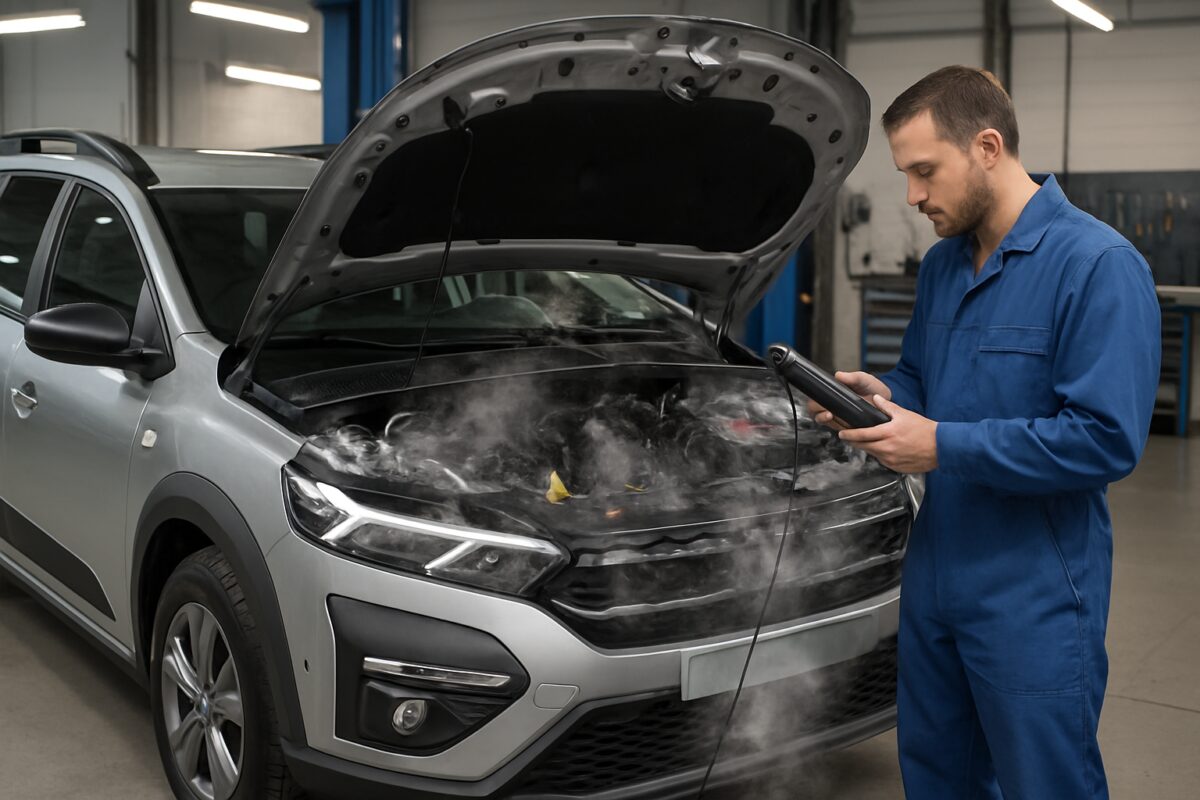
One of the most significant issues affecting the Dacia Jogger involves the cooling system, particularly in vehicles equipped with the TCe 100 petrol engine. Many owners report unexpected overheating, often caused by thermostat failures or blocked coolant passages.
The symptoms typically begin with erratic temperature gauge readings, followed by steam from the bonnet and eventual engine protection mode activation. In severe cases, prolonged overheating can cause cylinder head warping, requiring expensive repairs costing upwards of £2,000.
The cooling fan assembly also presents problems, with the electric motor failing prematurely in some models. This leaves the engine vulnerable to overheating during traffic jams or extended idling periods. Cooling fans typically cost between £150-300 to replace, depending on the specification.
“Our AutoPartsPro technicians recommend checking coolant levels monthly and watching for any white residue around the expansion tank cap, which indicates potential head gasket issues.”
Transmission and clutch problems
The manual gearbox in the Dacia Jogger, whilst generally reliable, suffers from specific weaknesses that become apparent after 40,000 miles. Gear synchronisers, particularly for second and third gears, wear prematurely, causing difficulty engaging gears and grinding noises during shifts.
Clutch-related issues are equally concerning, with many owners experiencing premature clutch disc wear. The symptoms include a high biting point, slipping during acceleration, and burning smells when pulling away. Complete clutch replacement typically costs £800-1,200 for the Jogger.
The dual-mass flywheel, designed to smooth engine vibrations, often fails around 60,000 miles. This component produces characteristic rattling noises when starting the engine or during gear changes. Replacement involves removing the entire transmission, making it a labour-intensive repair.
CVT automatic variants experience their own set of challenges, including jerky operation, delayed engagement, and fluid leaks. These transmissions require specific transmission fluid changes every 40,000 miles to maintain proper operation.
Electrical system malfunctions
Modern Dacia Joggers feature comprehensive electrical systems that unfortunately prove problematic for many owners. The central infotainment unit frequently freezes, loses connectivity, or displays error messages without apparent cause.
Dashboard warning lights illuminate sporadically, particularly the engine management light and ABS warning. These false alarms often result from software glitches rather than genuine mechanical faults, but still require diagnostic scanning to identify the root cause.
Window mechanisms fail regularly, with electric window motors burning out after approximately 18 months of use. The symptoms include slow operation, grinding noises, or complete failure to move. Professional technicians typically charge £200-350 for motor replacement, including labour.
The vehicle’s battery drainage issues affect numerous owners, particularly during winter months. Parasitic draws from various control modules prevent the alternator from maintaining proper charge levels, leading to morning starting difficulties.
Suspension and steering concerns
The Dacia Jogger’s suspension components show premature wear patterns, especially in vehicles subjected to UK road conditions. Front shock absorbers typically require replacement around 50,000 miles, with symptoms including excessive bouncing, nose-diving during braking, and uneven tyre wear.
Rear suspension problems manifest as sagging, particularly when carrying seven passengers or heavy loads. The coil springs lose their tension, affecting ride height and handling characteristics. This issue becomes more pronounced in vehicles regularly used for family transport or commercial purposes.
Steering rack problems occur less frequently but prove expensive when they arise. Power steering fluid leaks, typically from worn seals, cause heavy steering and whining noises during lock-to-lock movements. Complete steering rack replacement costs approximately £600-900, including professional installation.
“We’ve noticed that Jogger owners who maintain proper tyre pressures and avoid potholes experience significantly fewer suspension problems,” notes our suspension specialist.
Warning signs your car has a problem
Recognising early symptoms can prevent minor issues from developing into expensive repairs:
- Temperature gauge fluctuations or steam from engine bay
- Grinding or difficulty when changing gears
- Excessive bouncing or swaying during cornering
- Warning lights remaining illuminated after engine start
- Unusual noises from wheels or suspension components
- Heavy steering or fluid leaks beneath the vehicle
- Slow or non-functioning electric windows
- Battery warning lights or starting difficulties
How to fix the problems
| Problem | Solution | Cost Range | Urgency |
|---|---|---|---|
| Engine Overheating | Replace thermostat and flush cooling system | £150-400 | High |
| Clutch Slipping | Complete clutch kit replacement | £800-1200 | Medium |
| Worn Shock Absorbers | Replace front/rear shock absorber pairs | £300-600 | Medium |
| Window Motor Failure | Replace electric window motor assembly | £200-350 | Low |
| Battery Drainage | Diagnostic scan and software update | £100-250 | Medium |
When to see a mechanic
Certain symptoms require immediate professional attention to prevent serious damage or safety hazards. Book an appointment immediately if you experience engine overheating, complete clutch failure, or steering problems affecting vehicle control.
For less urgent issues like window malfunctions or minor electrical glitches, schedule maintenance within two weeks. Regular servicing helps identify developing problems before they become expensive repairs.
Professional diagnostic equipment can identify fault codes that aren’t visible to ordinary drivers. Many electrical problems require software updates or reprogramming that only qualified technicians can perform safely.
Consider specialist Dacia knowledge when selecting your mechanic. Some independent garages have invested in brand-specific training and diagnostic equipment, offering competitive alternatives to main dealer servicing whilst maintaining expertise levels.
Frequently asked questions (FAQ)
Are Dacia Joggers reliable long-term?
Overall reliability is reasonable for the price point, though specific components like clutches and cooling systems require attention after 50,000 miles typically.
What’s the most expensive repair on a Jogger?
Engine rebuilds following overheating damage represent the costliest repairs, potentially reaching £3,000-5,000 depending on the extent of internal damage.
Do all Joggers suffer from these problems?
Not every vehicle experiences these issues, but awareness helps owners identify symptoms early and maintain their cars appropriately for prevention.
Can I prevent most Jogger problems through maintenance?
Regular servicing, coolant changes, and avoiding aggressive driving significantly reduce the likelihood of premature component failures in most cases.
Are parts expensive for the Dacia Jogger?
Replacement parts generally cost less than premium brands, though some components require specific Renault-Nissan Alliance specifications for proper compatibility.
Final recommendation
The Dacia Jogger represents excellent value for families requiring seven-seat transport, despite its documented mechanical issues. Most problems stem from cost-cutting measures rather than fundamental design flaws, making them manageable through proper maintenance.
Prospective buyers should budget approximately £500-800 annually for maintenance beyond standard servicing, particularly after the warranty period expires. Regular coolant system checks and transmission servicing can prevent the most expensive failures.
For current owners, addressing symptoms promptly and using quality replacement parts will ensure reliable service for many years. The vehicle’s strengths – spaciousness, fuel economy, and affordability – generally outweigh its weaknesses for most family applications.

 Loading...