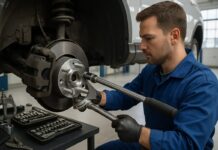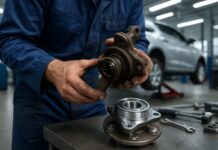
Replacing Mini brake pads and discs typically costs £200-450 for a complete front axle set, depending on your model and brake specification. You’ll need vehicle-specific components, proper tools, and safety equipment for a successful DIY replacement. Mini’s unique brake configurations require careful part selection based on your chassis number and brake system type.
Tools & parts required
Getting the right components is crucial for Mini brake replacement success. Each model year features different brake specifications, so matching parts to your exact vehicle prevents compatibility issues.
Parts needed:
- Brake pads (vehicle-specific compound)
- Brake discs (OEM specification)
- Brake pad wear sensors
- Disc retaining screws
- Copper grease
- Brake cleaner spray
Tools required:
- Socket set (10mm-19mm)
- Torque wrench
- Brake piston compression tool
- Wire brush
- Safety gloves
- Jack and axle stands
Always ensure brake components match your Mini’s brake system specification. Cooper S models often use larger discs than base Cooper variants, whilst JCW editions feature performance brake packages requiring specific pad compounds.
Safety precautions
Working with brake systems demands strict safety protocols. Brake dust contains harmful fibres, so proper ventilation and protective equipment are essential.
Work in a well-ventilated area away from heat sources. Disconnect the battery negative terminal before starting work. Wear safety glasses and nitrile gloves throughout the process. Use proper axle stands – never rely solely on a jack for support.
Keep brake fluid containers sealed, as brake fluid absorbs moisture rapidly. Avoid getting brake cleaner on painted surfaces, as it can damage the finish.
Step-by-step instructions
Step 1: Prepare the vehicle
Park on level ground and engage the handbrake. Loosen wheel bolts whilst the wheel remains on the ground for better leverage. Raise the vehicle using a proper jack and secure with axle stands.
Remove the wheel completely. Spray brake cleaner on the disc and brake caliper assembly to remove dirt and brake dust.
Step 2: Remove the brake caliper
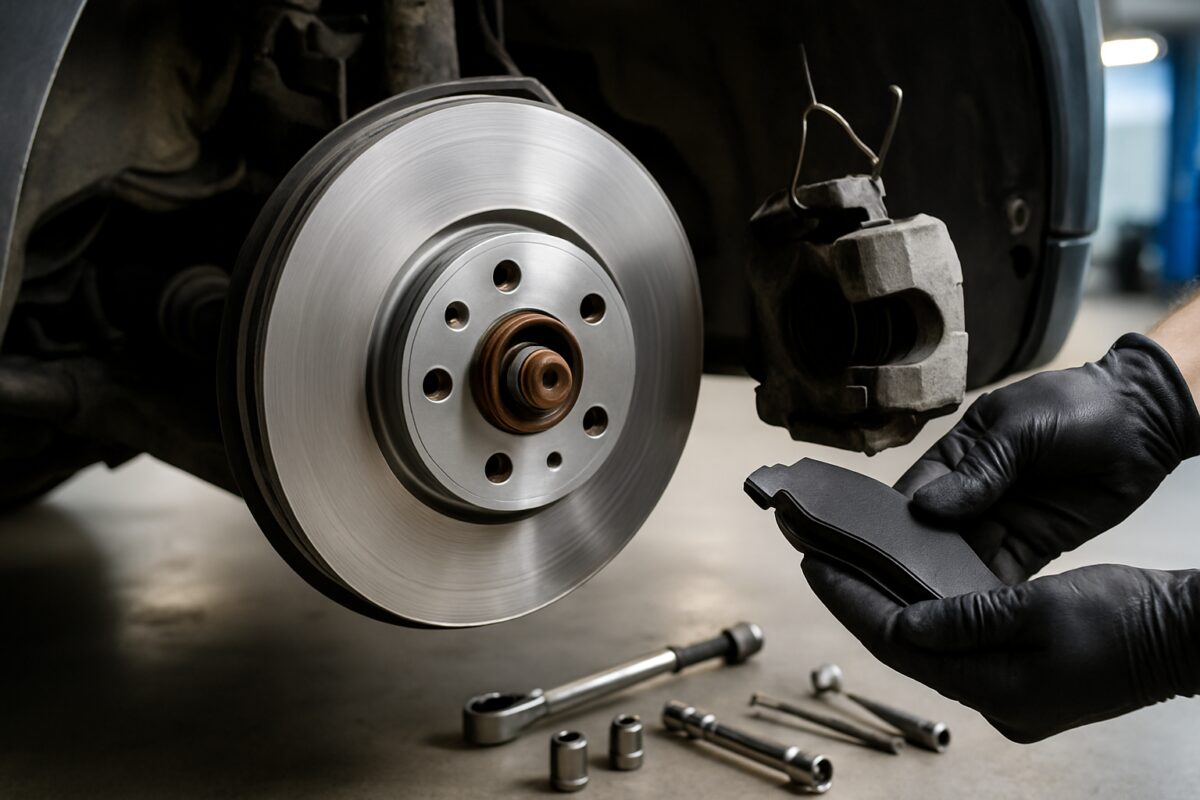
Locate the two caliper guide pin bolts on the back of the caliper. These are typically 13mm bolts on most Mini models. Remove both bolts and carefully lift the caliper off the disc.
Support the caliper with wire or a bungee cord – never let it hang by the brake hose as this can cause internal damage.
Step 3: Replace the brake pads
Remove the old brake pads from the caliper bracket. Note their orientation for proper installation of new pads. Clean the caliper bracket thoroughly with a wire brush.
Use the brake piston compression tool to push the caliper piston back into its housing. This creates space for the thicker new pads.
Step 4: Install new brake discs
Remove the old disc by taking out the retaining screw (if fitted). Clean the wheel hub surface thoroughly to ensure the new disc sits flush.
Install the new disc and secure with the retaining screw if your model uses one. Apply a thin layer of copper grease to the hub contact area to prevent corrosion.
Step 5: Reassemble and test
Install new brake pads in the caliper bracket, ensuring wear sensors are properly connected. Refit the caliper over the new disc and pads.
Torque the caliper guide pins to 25-30 Nm specification. Refit the wheel and lower the vehicle. Pump the brake pedal several times before driving to seat the pads properly.
“Always bed in new brake pads gradually over the first 200 miles. Avoid hard braking during this period to prevent glazing the pad surface.” – AutoPartsPro Technical Team
Common mistakes to avoid
Installing brake pads backwards is surprisingly common. The wear indicator should face the inside of the disc, making contact when pad material gets thin.
Never reuse old caliper guide pins without cleaning and re-greasing them. Seized pins cause uneven pad wear and reduced braking performance.
Failing to compress the brake piston fully prevents proper caliper fitment. Always use the correct compression tool rather than improvising with other tools.
Skipping the bedding-in process leads to poor brake performance and premature pad wear. Follow manufacturer recommendations for proper break-in procedures.
“Many DIY mechanics rush the cleaning process, but thorough cleaning of all brake components significantly extends component life and improves performance.” – AutoPartsPro Workshop Specialist
When should you replace them?
Mini brake pads typically need replacement every 25,000-40,000 miles, depending on driving conditions and style. Urban driving with frequent stops wears pads faster than motorway driving.
Warning signs include squealing noises, brake pedal vibration, or the brake warning light illuminating on your dashboard. Visual inspection through wheel spokes can reveal pad thickness.
Brake discs usually last 60,000-80,000 miles but may need replacement sooner if warped or severely scored. Deep grooves or visible cracks indicate immediate replacement requirements.
If your Mini displays brake wear warnings, address them promptly to maintain optimal stopping performance and safety.
Related maintenance you can do at the same time
Brake system maintenance presents an ideal opportunity for complementary tasks. Check brake hose condition whilst the wheels are off, looking for cracks or bulges that indicate replacement needs.
Inspect the brake fluid level and colour. Dark or contaminated fluid should be replaced to maintain system performance.
Consider replacing the air filter or checking tyre pressures whilst you have the tools out. These simple checks help maintain overall vehicle condition.
Wheel bearing inspection is straightforward with the wheel removed. Listen for grinding noises or check for excessive play in the wheel hub assembly.
Frequently asked questions
How much do Mini brake pads cost in the UK?
Mini brake pads cost £40-120 per axle set, with premium ceramic compounds commanding higher prices than standard organic materials.
Can I replace just brake pads without changing discs?
Yes, if disc thickness exceeds minimum specifications and surface condition remains good without deep scoring or warping issues.
How long does Mini brake replacement take?
Expect 2-4 hours for a complete front axle replacement, depending on your experience level and any seized components encountered.
Do I need special tools for Mini brake work?
Standard brake tools work fine, though some models require specific socket sizes or brake piston compression tools for proper installation.
Should I replace brake components in pairs?
Always replace brake pads and discs in axle pairs to ensure even braking performance and prevent vehicle pulling during stops.
Proper brake maintenance ensures your Mini continues delivering the responsive, confident stopping power that makes these vehicles such a joy to drive. Quality components from reputable suppliers, combined with careful installation and proper bedding-in procedures, provide optimal braking performance for thousands of miles. Remember to follow proper safety procedures throughout the replacement process, and don’t hesitate to consult professional guidance if you encounter any complications during the work.

 Loading...