The Hyundai i10 has earned a reputation as a reliable city car in the UK market, but like any vehicle, it experiences certain recurring issues. Understanding these common problems can help owners identify potential faults early and avoid costly repairs down the line.
Engine performance and power loss
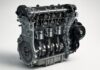
Many i10 owners report experiencing reduced engine performance, particularly in models equipped with the 1.0-litre and 1.1-litre petrol engines. The primary culprit is often a clogged air filter, which restricts airflow to the engine and reduces power output significantly.
Carbon build-up in the intake system represents another frequent cause of performance degradation. This occurs more commonly in urban driving conditions where the engine rarely reaches optimal operating temperatures. The build-up affects fuel atomisation and can cause rough idling, poor acceleration, and increased fuel consumption.
Faulty ignition coils also contribute to power loss issues. When these components fail, drivers notice engine misfiring, hesitation during acceleration, and poor fuel economy. The problem typically manifests as a rough idle and can trigger the check engine light.
Our technicians at AutoPartsPro recommend checking the air filter every 12,000 miles and replacing it if it appears dirty or damaged. This simple maintenance step can prevent numerous engine performance issues.
Clutch system failures
The i10’s clutch system, whilst generally robust, experiences premature wear in certain driving conditions. Heavy city traffic and frequent stop-start driving accelerate clutch disc deterioration. Owners often report a slipping clutch, particularly when climbing hills or carrying heavy loads.
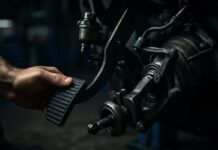
The clutch master cylinder presents another common failure point. When this component develops leaks, drivers experience a spongy clutch pedal feel or complete pedal failure. The issue typically develops gradually, starting with increased pedal travel before progressing to total system failure.
Clutch cable stretching or snapping affects manual transmission models. This problem manifests as difficulty engaging gears or a complete inability to change gears. The cable typically fails at high-stress points where it bends around pulleys or brackets.
AutoPartsPro’s mechanics frequently encounter premature clutch release bearing failure in i10 models. This component creates a grinding or squealing noise when the clutch pedal is depressed. If left untreated, the bearing can seize completely, requiring extensive transmission work.
Electrical system malfunctions
Electrical problems plague many i10 models, particularly those manufactured between 2008 and 2013. The most common issue involves the battery draining overnight, caused by faulty control modules that fail to enter sleep mode properly.
Window regulator motors frequently fail, leaving windows stuck in either the up or down position. This problem affects all door positions but occurs most commonly on the driver’s side due to increased usage. The motors typically fail gradually, becoming slower before eventually seizing completely.
Dashboard warning lights illuminate randomly without corresponding system faults. This phantom fault syndrome stems from poor electrical connections and can affect multiple systems simultaneously. The problem creates confusion during MOT testing and can mask genuine faults.
Central locking system failures occur regularly, with actuators becoming sluggish or failing entirely. The problem often starts with delayed operation before progressing to complete system failure. Remote key fob range also diminishes as the system ages.
Cooling system problems
The i10’s cooling system experiences several recurring issues that can lead to engine overheating if not addressed promptly. Radiator leaks develop frequently, particularly around the plastic end tanks where thermal cycling causes stress fractures.
Water pump failure represents a significant concern in higher-mileage vehicles. The pump’s plastic impeller can crack or break away from the shaft, resulting in complete coolant circulation failure. This problem typically occurs without warning and can cause immediate engine overheating.
Thermostat sticking causes temperature regulation problems. When the thermostat remains closed, the engine overheats rapidly. Conversely, a thermostat stuck open prevents the engine from reaching proper operating temperature, affecting fuel economy and heater performance.
Expansion tank cracking occurs due to pressure cycling and age-related plastic degradation. Small cracks allow coolant to escape gradually, leading to low coolant levels and potential overheating. The problem often goes unnoticed until significant coolant loss occurs.
Regular coolant system inspection can prevent catastrophic engine damage. We advise checking coolant levels monthly and looking for signs of leakage around the radiator and expansion tank.
Suspension and steering issues
Front suspension components wear prematurely on the i10, particularly the lower ball joints and anti-roll bar links. These components experience increased stress due to the vehicle’s lightweight construction and firm suspension setup designed for city driving.
Steering rack problems manifest as heavy steering or wandering behaviour. The rack’s internal seals deteriorate over time, allowing hydraulic fluid to leak internally. This reduces power assistance effectiveness and can eventually lead to complete system failure.
Shock absorber wear affects ride quality and handling. The front struts typically fail first, causing bouncing over bumps and reduced stability during cornering. Rear shock absorber failure is less common but still occurs, particularly in vehicles used for frequent long-distance driving.
Wheel bearing noise develops gradually, starting as a faint humming that increases with vehicle speed. Front wheel bearings fail more frequently than rear units due to increased loading from braking and steering forces. Ignoring the problem can lead to bearing seizure and wheel detachment.
Warning Signs Your Car Has a Problem
Recognising early warning signs can prevent minor issues from developing into major repairs. These symptoms indicate your i10 requires immediate attention:
- Unusual engine noises during idle or acceleration
- Difficulty starting or extended cranking times
- Dashboard warning lights remaining illuminated
- Excessive exhaust smoke or unusual odours
- Steering wheel vibration or pulling to one side
- Clutch pedal changes in feel or travel
- Grinding or squealing noises from brakes
- Coolant level dropping without visible leaks
- Electrical accessories operating intermittently
- Suspension bouncing or excessive body roll
- Gear selection difficulty or grinding
- Battery warning light activation
- Unusual tyre wear patterns
- Reduced fuel economy
- Engine temperature gauge reading high
How to fix the problems
| Problem | Difficulty Level | Estimated Cost | Time Required |
|---|---|---|---|
| Air filter replacement | Easy | £15-25 | 10 minutes |
| Clutch system repair | Expert | £350-600 | 4-6 hours |
| Battery replacement | Easy | £60-120 | 15 minutes |
| Water pump replacement | Moderate | £180-280 | 2-3 hours |
| Ball joint replacement | Moderate | £80-150 per side | 1-2 hours |
| Maintenance Item | Frequency | DIY Possible | Professional Cost |
|---|---|---|---|
| Engine oil change | Every 10,000 miles | Yes | £45-70 |
| Coolant system flush | Every 3 years | Moderate | £80-120 |
| Brake fluid change | Every 2 years | Moderate | £35-55 |
| Spark plug replacement | Every 20,000 miles | Yes | £60-90 |
| Timing belt replacement | Every 60,000 miles | Expert | £250-400 |
When to See a Mechanic
Certain symptoms require immediate professional attention to prevent safety hazards or extensive damage. Contact a qualified technician if you experience complete loss of power steering, as this indicates hydraulic system failure. Similarly, any grinding noises from the brake system warrant immediate inspection.
Engine overheating requires urgent attention to prevent cylinder head damage or complete engine failure. Pull over immediately if the temperature gauge enters the red zone. Coolant system pressurisation can cause serious burns, so avoid removing the radiator cap on a hot engine.
Clutch system problems that prevent gear engagement make the vehicle unsafe to drive. If the clutch pedal feels spongy or travels to the floor without resistance, stop driving and arrange professional assistance. Continuing to drive with clutch problems can damage the transmission.
As highlighted in our garage vs DIY guide, electrical faults that affect safety systems like lighting or indicators require professional diagnosis. Modern automotive electrical systems contain sensitive components that can be damaged by incorrect troubleshooting procedures.
Frequently Asked Questions (FAQ)
How reliable is the Hyundai i10 overall?
The i10 demonstrates good reliability when properly maintained, with most issues being predictable and manageable through regular servicing and component replacement.
What’s the most expensive repair on an i10?
Clutch replacement represents the costliest common repair, typically ranging from £350-600 including parts and labour for complete system renewal.
How often should I service my i10?
Follow Hyundai’s recommended 12-month or 10,000-mile service intervals, whichever occurs first, to maintain warranty coverage and prevent premature component failure.
Are i10 parts expensive to replace?
Parts costs remain reasonable compared to premium brands, with most common components available at competitive prices through various suppliers and aftermarket manufacturers.
Which i10 model year is most reliable?
Models from 2014 onwards show improved reliability, benefiting from design refinements and better quality control processes implemented after initial production issues.
Final Recommendation
The Hyundai i10 remains a practical choice for UK drivers seeking affordable urban transport, despite its known issues. Regular maintenance prevents most problems, whilst early intervention can minimise repair costs significantly. Focus on maintaining the cooling system, monitoring clutch operation, and addressing electrical faults promptly.
Our experience at AutoPartsPro shows that proactive owners who follow service schedules and address warning signs early enjoy many years of reliable service from their i10. The vehicle’s simplicity works in its favour for maintenance, with most components accessible and reasonably priced. For additional maintenance guidance, consult our comprehensive car maintenance guide and our OEM parts advice to ensure you’re using quality components. Remember that investing in preventive maintenance today can save hundreds of pounds in emergency repairs tomorrow, keeping your i10 running smoothly for years to come.

 Loading...