A VW clutch replacement typically costs between £300-£1,200 depending on your model, with labour charges ranging from £200-£500. The total price varies based on whether you choose a basic replacement kit or premium components, with luxury models like the Touareg requiring more expensive parts than smaller vehicles like the Polo.
Understanding clutch replacement costs helps you budget properly for this essential maintenance task. Our Autopartspro mechanics have extensive experience with Volkswagen vehicles and recommend addressing clutch issues promptly to prevent costly transmission damage.
Understanding VW clutch systems and components
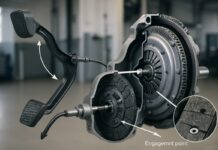
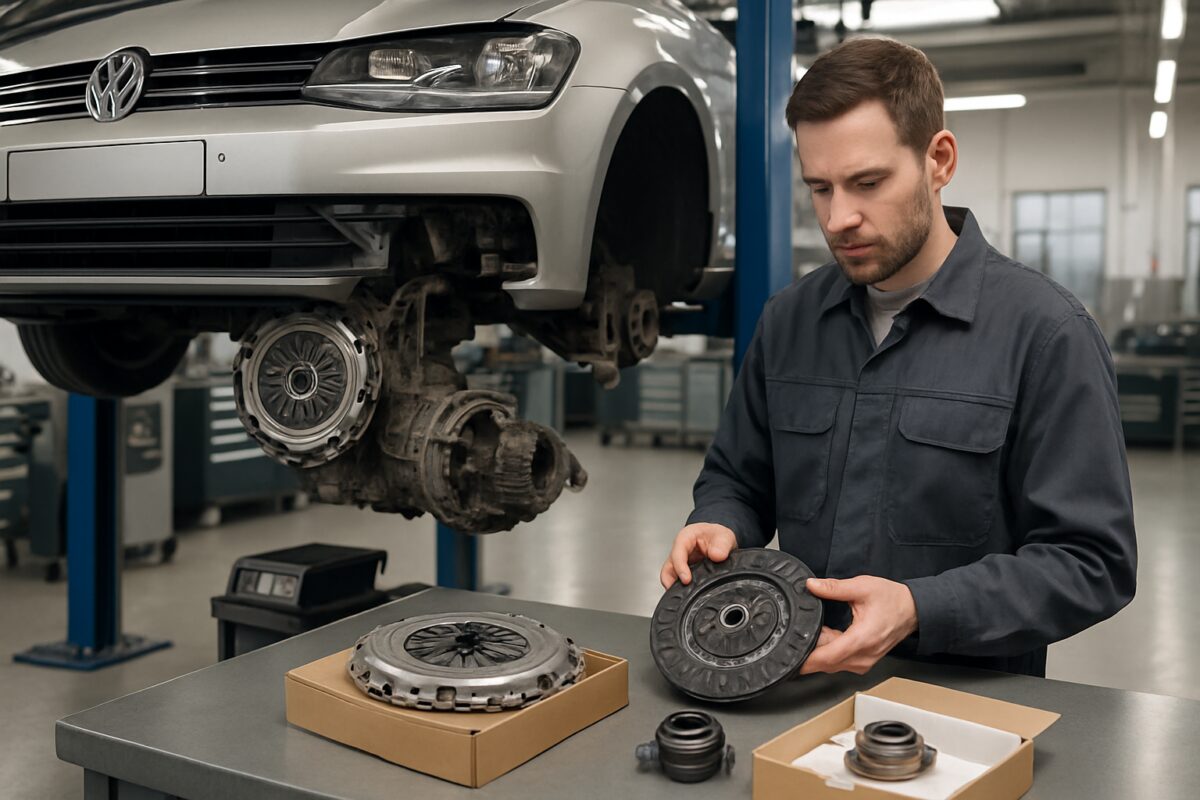
Volkswagen vehicles use sophisticated clutch systems that require precise component matching. The main elements include the clutch disc, pressure plate, release bearing, and flywheel assembly.
Most modern VW models feature hydraulic clutch operation controlled by a master cylinder and slave cylinder arrangement. This system provides smoother engagement compared to cable-operated alternatives found in older vehicles.
The clutch kit typically includes all essential components for a complete replacement. However, additional parts like the clutch master cylinder or flywheel might need attention during major services.
Key clutch components explained
The clutch plate transfers power from the engine to the transmission through friction material bonded to its surface. When this material wears down, slipping occurs and replacement becomes necessary.
The clutch pressure plate applies force to hold the disc against the flywheel. Spring mechanisms within the pressure plate can weaken over time, reducing clamping force and causing premature wear.
Release bearings enable smooth disengagement when pressing the clutch pedal. These components operate under extreme conditions and commonly fail due to lubrication breakdown or excessive heat exposure.
Factors affecting VW clutch replacement costs
Vehicle model significantly impacts replacement expenses. Compact cars like the Golf or Polo require less labour time compared to larger vehicles such as the Touareg or Crafter van.
Engine configuration also influences pricing. Diesel engines often require dual-mass flywheel replacement alongside clutch components, adding £200-£600 to the total bill.
Geographic location affects labour rates across the UK. London garages typically charge higher hourly rates than workshops in smaller towns or rural areas.
Component quality considerations
Original Equipment Manufacturer (OEM) parts offer guaranteed compatibility and longevity but come at premium prices. These components match factory specifications exactly and maintain warranty coverage.
Aftermarket alternatives provide cost-effective solutions without compromising reliability. Reputable brands like Sachs, LUK, and Valeo manufacture high-quality replacement parts specifically designed for Volkswagen applications.
Budget options exist for older vehicles where maximum lifespan isn’t crucial. However, our specialists recommend avoiding extremely cheap components that may fail prematurely and require repeat repairs.
Price breakdown by VW model
Different Volkswagen models require varying replacement approaches due to engine access restrictions and component specifications. Here’s our detailed cost analysis based on extensive workshop experience:
| VW Model | Parts Cost | Labour Hours | Total Range |
|---|---|---|---|
| Polo (2009-2020) | £180-£320 | 3-4 hours | £380-£520 |
| Golf (2012-2021) | £220-£400 | 4-5 hours | £520-£700 |
| Passat (2010-2019) | £280-£500 | 5-6 hours | £680-£900 |
| Tiguan (2016-2021) | £350-£550 | 6-7 hours | £800-£1,050 |
| Touareg (2018-2021) | £450-£700 | 7-8 hours | £950-£1,400 |
Labour rates vary significantly between independent workshops and main dealerships. Independent specialists often provide excellent service at competitive prices while maintaining manufacturer standards.
Additional costs to consider
Flywheel machining or replacement adds substantial expense to clutch jobs. Dual-mass flywheels in diesel vehicles commonly require replacement every 80,000-120,000 miles.
The clutch release bearing should always be replaced during major clutch work. This relatively inexpensive component prevents future failures and eliminates repeat labour costs.
Transmission oil replacement is recommended during clutch installation. Fresh fluid ensures optimal operation and prevents contamination from metal particles generated during the repair process.
Selection criteria for VW clutch components
Choosing appropriate clutch components requires careful consideration of driving patterns, vehicle usage, and performance requirements. Our technical team evaluates multiple factors before recommending specific products.
Daily commuting vehicles benefit from smooth engagement characteristics and extended lifespan. Performance-oriented drivers might prefer uprated components that handle increased torque and repeated high-stress applications.
Driving style assessment
City driving with frequent stop-start conditions accelerates clutch wear due to constant engagement cycles. Heavy traffic situations require components designed for thermal resistance and consistent performance.
Motorway driving generates less wear but demands components capable of sustained high-speed operation without overheating or vibration issues.
Towing applications require uprated clutch specifications to handle additional torque loads safely. Standard components may slip under heavy trailer loads, causing premature failure.
Mileage expectations
Typical clutch lifespan varies between 60,000-100,000 miles depending on maintenance practices and driving conditions. Proper technique significantly extends component life and reduces replacement frequency.
High-mileage vehicles benefit from complete system overhaul rather than partial repairs. Replacing all related components simultaneously prevents cascading failures and reduces long-term costs.
Where to purchase VW clutch components
Sourcing quality clutch parts requires identifying reputable suppliers with extensive Volkswagen expertise. Online retailers offer competitive pricing and convenient delivery options for both professional workshops and DIY enthusiasts.
Autopartspro maintains comprehensive stock levels for all popular VW models, ensuring rapid dispatch and competitive pricing on genuine and aftermarket components.
Online vs traditional purchasing
Internet suppliers provide detailed product specifications and customer reviews that aid component selection. Advanced search filters help identify compatible parts quickly without visiting multiple physical stores.
Traditional motor factors offer personal service and immediate availability for urgent repairs. However, stock levels may be limited for less common models or specialist applications.
Manufacturer warranties remain valid regardless of purchase location, provided components meet original specifications and installation follows recommended procedures.
Quality verification methods
Genuine parts carry manufacturer logos and specific part numbers that match vehicle documentation. Counterfeit components often feature inferior packaging and incorrect markings.
Reputable aftermarket brands provide comprehensive fitment guides and technical support for installation queries. Established manufacturers back their products with substantial warranty coverage.
Price comparison should include delivery costs and return policies. Extremely low prices often indicate substandard materials or manufacturing defects that cause premature failure.
Installation considerations and labour costs
Clutch replacement requires significant mechanical expertise and specialised equipment for safe completion. Transmission removal involves multiple systems including exhaust components, driveshafts, and electrical connections.
Professional installation ensures correct torque specifications and proper adjustment of hydraulic components. Incorrect procedures can damage expensive transmission components or create safety hazards.
Workshop selection criteria
Choose workshops with proven Volkswagen experience and appropriate diagnostic equipment. Modern vehicles feature complex electronic systems that require specific scan tools for proper operation.
Independent specialists often provide better value than main dealerships while maintaining equivalent technical standards. Many independent workshops use genuine parts and follow manufacturer procedures exactly.
Ask about warranty coverage for both parts and labour before committing to repairs. Reputable workshops stand behind their work with comprehensive guarantees.
DIY installation challenges
Home mechanics face significant challenges during clutch replacement due to weight and access restrictions. Transmission units weigh 40-80kg and require secure lifting equipment for safe handling.
Specialised tools include clutch alignment devices, pressure plate compressors, and torque wrenches capable of high-specification settings. Renting or purchasing these tools increases project costs substantially.
Professional tip: Always replace the clutch cable or hydraulic fluid when installing new clutch components. This preventive maintenance eliminates common failure points and ensures optimal pedal feel.
Warning signs requiring immediate attention
Recognising early clutch failure symptoms prevents costly secondary damage and maintains vehicle safety. Our experienced technicians identify common warning signs during routine inspections.
Slipping occurs when engine revs increase without corresponding acceleration. This condition indicates worn friction material and requires immediate replacement to prevent flywheel damage.
Juddering during engagement suggests pressure plate problems or contaminated friction surfaces. Oil leaks from engine or transmission seals commonly cause this condition.
Common failure symptoms
Here are the primary indicators of clutch system problems:
- Difficulty shifting gears or grinding noises during operation
- Spongy or inconsistent pedal feel indicating hydraulic system issues
- Burning smells during normal driving suggesting overheating components
- High engagement point requiring excessive pedal travel
- Vibration through the pedal during engagement or disengagement
Preventive maintenance recommendations
Regular inspections help identify problems before complete failure occurs. Check hydraulic fluid levels monthly and address any contamination immediately.
Proper driving technique significantly extends clutch life. Avoid riding the clutch pedal and use handbrakes on inclines rather than clutch engagement to prevent rolling.
Annual brake fluid changes benefit hydraulic clutch systems by preventing moisture absorption and internal corrosion. Contaminated fluid causes inconsistent operation and premature seal failure.
Cost-saving strategies for VW clutch replacement
Smart purchasing decisions reduce replacement costs without compromising reliability or safety. Timing repairs strategically and choosing appropriate components optimises value for money.
Combining clutch replacement with other scheduled maintenance reduces labour costs through shared procedures. Timing belt services often coincide with transmission access, making combined repairs economical.
Bulk purchase advantages
Buying complete clutch kits provides better value than purchasing individual components separately. Manufacturers often include additional items like alignment tools or installation guides with kit purchases.
Group purchases with other VW owners can qualify for trade discounts at some suppliers. Online forums and local clubs often organise bulk orders for popular maintenance items.
Seasonal pricing considerations
Parts suppliers often offer promotional pricing during quieter periods. Planning non-urgent repairs for off-peak seasons can generate significant savings on both parts and labour.
End-of-year clearances provide opportunities to purchase premium components at reduced prices. However, ensure proper storage conditions to maintain component integrity.
| Strategy | Potential Savings | Considerations |
|---|---|---|
| Complete kit purchase | 10-15% | Ensures component compatibility |
| Off-peak scheduling | 15-25% | Requires flexible timing |
| Independent workshop | 20-30% | Verify qualifications and warranties |
| Online parts sourcing | 25-40% | Factor delivery time and return policies |
Warranty and aftercare considerations
Understanding warranty coverage protects your investment and provides peace of mind following expensive repairs. Different component manufacturers offer varying warranty terms and conditions.
Installation warranties typically cover workmanship defects but exclude wear items and abuse damage. Professional workshops should provide minimum 12-month coverage on labour and 24 months on parts.
Keep all receipts and documentation for warranty claims. Digital copies stored securely ensure accessibility even if physical documents are lost or damaged.
Proper break-in procedures extend clutch life and maintain warranty validity. Follow manufacturer recommendations for initial driving restrictions and load limitations during the first 500 miles.
Regular maintenance after installation preserves warranty coverage and ensures optimal performance. Monitor pedal feel and engagement characteristics for any changes that might indicate developing problems.
Quality components from established suppliers represent the best long-term value for VW owners. While initial costs may seem higher, reduced failure rates and extended service life justify the premium pricing. Our extensive experience with Volkswagen vehicles confirms that investing in proper parts and professional installation delivers reliable, cost-effective solutions for clutch replacement requirements.
Frequently Asked Questions (FAQ)
How long does a VW clutch typically last?
Most Volkswagen clutches last 60,000-100,000 miles depending on driving style, maintenance, and component quality. City driving accelerates wear significantly.
Can I drive with a slipping clutch?
Continued driving with a slipping clutch risks expensive flywheel damage and potential safety hazards. Address slipping immediately to prevent costlier repairs.
What’s included in a complete VW clutch kit?
Standard clutch kits include the clutch disc, pressure plate, release bearing, and alignment tool. Some kits include additional items like pilot bearings.
Should I replace the flywheel during clutch replacement?
Flywheel condition determines replacement necessity. Dual-mass flywheels in diesel vehicles often require replacement, while solid flywheels may only need machining.
How much labour time does VW clutch replacement require?
Labour time varies from 3-8 hours depending on model complexity, engine configuration, and workshop efficiency. Larger vehicles require more time.

 Loading...