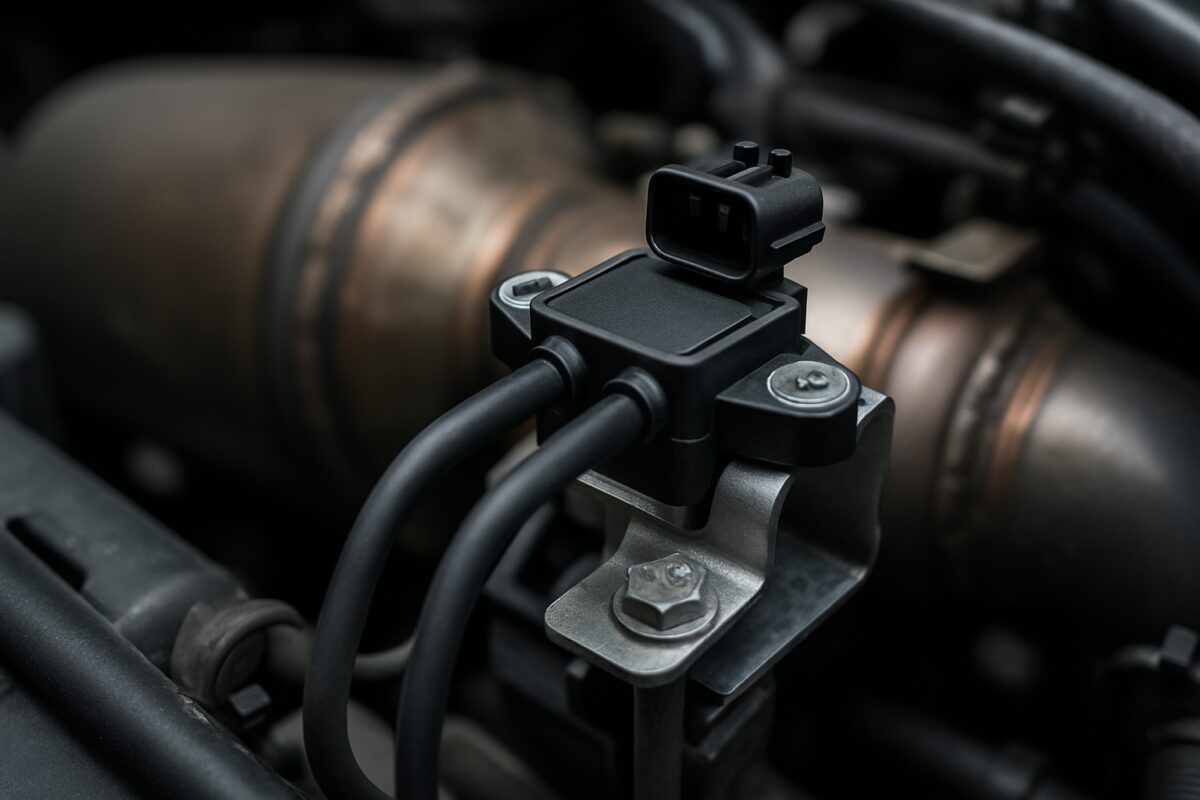
The DPF pressure sensor monitors the differential pressure across your vehicle’s diesel particulate filter to determine when regeneration is needed. This crucial component measures the exhaust backpressure before and after the DPF, sending signals to the engine control unit (ECU) to trigger cleaning cycles when soot levels become excessive. Without proper functioning, your diesel vehicle may experience reduced performance, increased emissions, and costly engine damage.
Understanding the DPF pressure sensor’s function
Modern diesel engines rely heavily on exhaust aftertreatment systems to meet stringent emissions standards. The DPF pressure sensor serves as the eyes and ears of this system, constantly monitoring how much soot has accumulated within the filter.
This sensor operates by comparing pressure readings from two points: upstream (before) and downstream (after) the DPF. When the filter becomes clogged with particulates, the pressure difference increases significantly. The ECU interprets these readings to determine the optimal timing for regeneration cycles.
According to our specialists at Autopartspro, the sensor typically operates within a voltage range of 0.5 to 4.5 volts, with specific values varying by manufacturer. Most systems trigger regeneration when pressure differential exceeds predetermined thresholds, usually between 2.5 to 5 kPa.
Key functions of the DPF pressure sensor
The primary responsibilities of this component extend beyond simple pressure monitoring:
- Measuring exhaust backpressure differential across the particulate filter
- Triggering automatic regeneration cycles when soot loading reaches critical levels
- Preventing engine damage from excessive exhaust restriction
- Optimising fuel injection timing during regeneration events
- Monitoring filter efficiency and detecting potential blockages
These functions work together to maintain optimal engine performance whilst ensuring compliance with Euro emissions standards. The sensor’s data helps the ECU make real-time decisions about when to initiate cleaning cycles, preventing costly filter replacement.
Where to find your DPF pressure sensor
Locating the DPF pressure sensor varies depending on your vehicle’s make and model. However, there are common mounting locations where you’re likely to find this component.
Most manufacturers position the sensor close to the DPF housing for accurate readings. The typical installation involves rubber or plastic tubing connecting the sensor to pressure sampling points on either side of the filter.
Common sensor locations by vehicle type
Different vehicle configurations require specific mounting arrangements:
| Vehicle Type | Typical Location | Mounting Style |
|---|---|---|
| Passenger Cars | Engine bay firewall | Bracket mount with tubing |
| Light Commercials | Chassis rail near DPF | Direct mount to exhaust |
| Heavy Duty | Cab frame or engine block | Remote mount with long tubing |
Understanding your vehicle’s configuration helps identify the sensor quickly during diagnosis or replacement. Some models feature multiple sensors for enhanced monitoring accuracy.
Sensor identification tips
When searching for your DPF pressure sensor, look for these identifying features:
- Small electronic component with 3-5 wire connector
- Two small tubes or ports for pressure sampling
- Mounted within 1-2 metres of the DPF housing
- Part numbers typically containing ‘DPF’, ‘PRESS’, or similar abbreviations
- Connected to ECU via dedicated wiring harness
These characteristics distinguish DPF pressure sensors from other similar components like temperature sensors or oxygen sensors in the exhaust system.
Common DPF pressure sensor faults and symptoms
Recognising DPF pressure sensor problems early can prevent more serious complications. Our technical team at Autopartspro encounters several recurring fault patterns across different vehicle brands.
Sensor failures typically manifest through various warning signs that drivers should never ignore. These symptoms often appear gradually, making early detection crucial for avoiding expensive repairs.
Primary fault symptoms
Watch for these common indicators of sensor malfunction:
- DPF warning lights on dashboard remaining constantly illuminated
- Frequent regeneration cycles that fail to complete successfully
- Reduced engine performance and noticeable power loss
- Increased fuel consumption during normal driving conditions
- Black smoke from exhaust during acceleration
These symptoms often coincide with diagnostic trouble codes stored in the ECU memory. Professional diagnosis using proper scan tools reveals specific fault codes related to pressure sensor circuits.
Diagnostic trouble codes
Modern vehicles generate specific error codes when DPF pressure sensors malfunction:
| Code Range | Description | Typical Cause |
|---|---|---|
| P2002-P2004 | DPF efficiency/pressure faults | Sensor or filter blockage |
| P242F-P2463 | Pressure sensor circuit faults | Electrical connection issues |
| P244A-P244C | Sensor range/performance | Internal sensor failure |
These codes help technicians pinpoint exact failure modes and determine appropriate repair strategies. However, proper diagnosis requires more than just code reading.
Causes of DPF pressure sensor failure
Understanding why these sensors fail helps prevent future problems and extends component lifespan. Environmental factors play a significant role in sensor degradation over time.
Heat cycling represents the most common cause of sensor failure. Repeated exposure to extreme temperature variations causes internal components to expand and contract, eventually leading to circuit breaks or calibration drift.
Environmental factors affecting sensor life
Several conditions accelerate sensor wear and failure:
- Excessive heat from exhaust system (above 150°C continuous exposure)
- Water contamination through damaged seals or tubing
- Vibration damage from loose mounting or engine movement
- Chemical contamination from fuel additives or exhaust treatments
- Age-related degradation of internal electronics after 5-7 years
Preventive maintenance significantly reduces these failure modes. Regular inspection of mounting points, electrical connections, and pressure tubing prevents many premature failures.
Professional Tip: Always check pressure sensor tubing for cracks or blockages before replacing the sensor itself. Over 30% of suspected sensor faults are actually caused by damaged or blocked pressure lines, which cost significantly less to repair.
Testing your DPF pressure sensor
Proper diagnosis requires systematic testing to distinguish between sensor faults and related system problems. Professional-grade diagnostic equipment provides the most accurate results.
Basic testing involves checking electrical continuity, signal voltage, and pressure response. However, advanced diagnosis requires monitoring live data during various operating conditions to verify proper sensor operation.
Our experienced technicians recommend starting with visual inspection before proceeding to electrical testing. Many sensor problems stem from obvious physical damage that’s easily spotted during careful examination.
Simple multimeter testing can verify basic sensor function. Healthy sensors typically show resistance values between 2-10 kΩ across signal circuits, though specific values vary by manufacturer.
Replacement considerations and costs
When sensor replacement becomes necessary, several factors influence repair costs and complexity. OEM sensors generally provide better longevity than aftermarket alternatives, though quality aftermarket options exist.
Labour costs vary significantly depending on sensor accessibility. Some locations require exhaust system removal for proper access, whilst others allow quick replacement from the engine bay.
Professional installation ensures proper calibration and prevents future problems. DIY replacement is possible for mechanically inclined individuals, but improper installation can cause additional system damage.
Quality sensors from reputable suppliers like those available through professional parts networks typically offer 12-24 month warranties. This protection covers manufacturing defects but may not include installation errors or related system damage.
Preventing DPF pressure sensor problems
Proactive maintenance extends sensor life and prevents costly repairs. Regular servicing of the entire exhaust aftertreatment system benefits all components, including pressure sensors.
Using quality diesel fuel and recommended fuel filters reduces contamination that can affect sensor accuracy. Poor fuel quality introduces contaminants that accumulate in the exhaust system over time.
Allowing complete regeneration cycles to finish prevents excessive soot buildup that strains the entire system. Interrupting regeneration by switching off the engine prematurely can lead to filter clogging and sensor failure.
Regular inspection of electrical connections prevents corrosion and loose contacts that cause intermittent faults. Applying dielectric grease to connections during routine maintenance protects against moisture intrusion.
The DPF pressure sensor plays a vital role in maintaining your diesel vehicle’s performance and emissions compliance. Understanding its function, location, and common failure modes empowers you to address problems quickly and cost-effectively. Whether you’re experiencing warning lights, reduced performance, or diagnostic trouble codes, proper sensor diagnosis and quality replacement parts ensure reliable operation for years to come. Remember that prevention through regular maintenance and quality components from trusted suppliers like automotive sensors specialists provides the best value for maintaining your vehicle’s exhaust aftertreatment system.
Frequently Asked Questions (FAQ)
How long do DPF pressure sensors typically last?
Most DPF pressure sensors last 5-7 years or 80,000-120,000 miles under normal driving conditions. Heavy-duty applications may require replacement sooner due to increased thermal stress.
Can I drive with a faulty DPF pressure sensor?
Driving with a failed sensor risks engine damage from excessive exhaust backpressure. The vehicle may enter limp mode, reducing power and performance significantly.
What’s the difference between DPF temperature and pressure sensors?
Temperature sensors monitor exhaust heat during regeneration, whilst pressure sensors measure soot loading by detecting restriction across the filter. Both are essential components.
How much does DPF pressure sensor replacement cost?
Replacement costs range from £80-200 for the sensor plus £50-150 labour, depending on accessibility. Premium vehicle sensors may cost more than standard applications.
Can cleaning fix a faulty DPF pressure sensor?
Cleaning rarely fixes internal sensor failures but may resolve issues caused by blocked pressure tubes or contaminated connections. Professional diagnosis determines repair viability.

 Loading...