CRDI technology represents a significant leap forward in diesel engine development, offering enhanced performance, improved fuel economy, and reduced emissions. Common Rail Direct Injection systems have revolutionised modern diesel powerplants by delivering precise fuel control and superior combustion efficiency. This advanced injection system delivers impressive torque figures whilst maintaining excellent fuel consumption rates, making CRDI engines particularly attractive for both performance-focused drivers and fuel-conscious motorists.
Comparison table of all engines
Understanding the performance characteristics of different CRDI engine configurations helps drivers make informed decisions about their vehicle choice.
| Engine | Power output | Torque | Fuel consumption | Reliability |
|---|---|---|---|---|
| 1.6L CRDI I4 | 115-136 HP | 280-320 Nm | 4.5-5.2 L/100km | Excellent |
| 2.0L CRDI I4 | 150-190 HP | 340-420 Nm | 5.8-6.5 L/100km | Very Good |
| 2.2L CRDI I4 | 200-220 HP | 440-480 Nm | 6.2-7.0 L/100km | Good |
| 3.0L CRDI V6 | 240-280 HP | 520-600 Nm | 7.5-8.5 L/100km | Good |
1.6L CRDI inline-4 engine overview
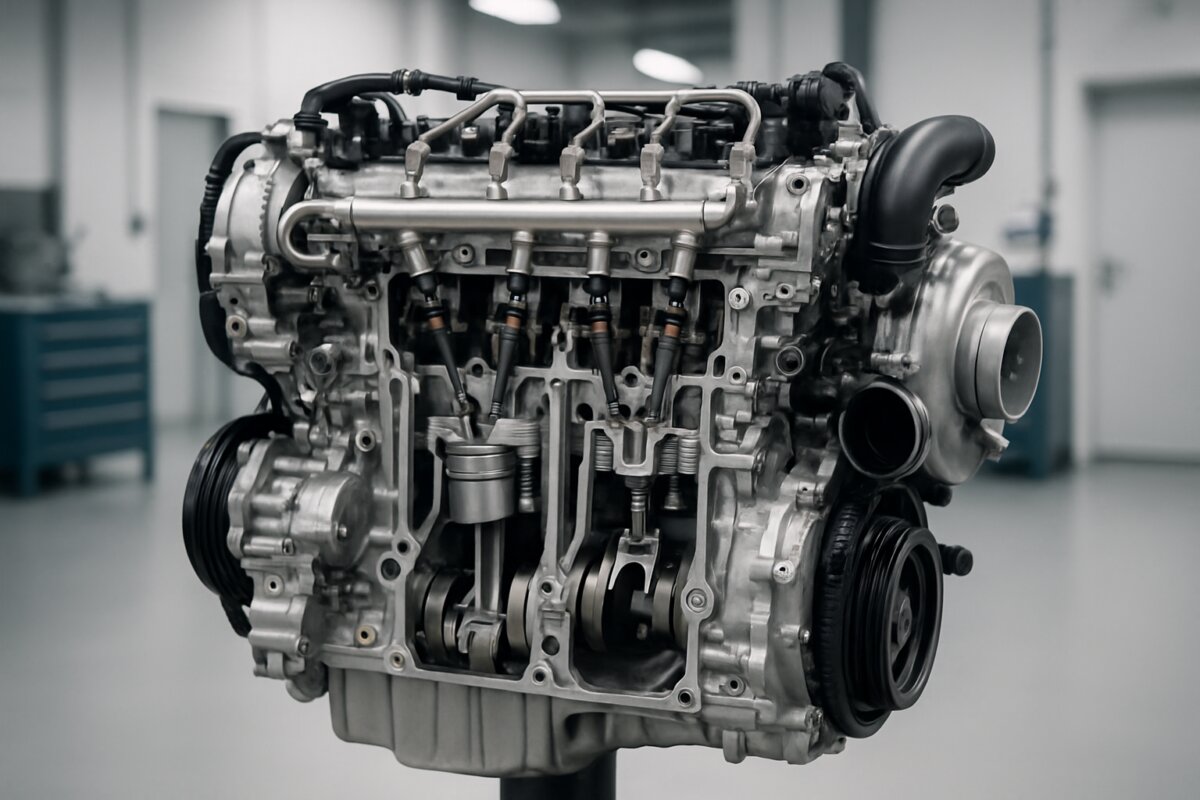
The 1.6-litre CRDI inline-four represents the entry point for common rail technology in many vehicle ranges. This turbocharged diesel unit features a transverse configuration with aluminium construction components. The fuel filter system works alongside sophisticated injection timing to deliver optimal performance.
This displacement uses direct injection with variable geometry turbocharging, enabling efficient combustion across different engine speeds. The turbocharger provides excellent low-end torque delivery whilst maintaining reasonable fuel consumption figures.
Pros
- Excellent fuel economy for daily driving
- Low maintenance costs compared to larger engines
- Smooth power delivery in urban conditions
- Reduced emissions compliance with Euro 6 standards
- Lightweight construction benefits handling dynamics
Cons
- Limited power for motorway overtaking manoeuvres
- Can feel underpowered when fully loaded
- Turbo lag noticeable at low RPM
- Higher-pitched diesel noise than larger engines
2.0L CRDI inline-4 engine overview
The 2.0-litre CRDI inline-four strikes an excellent balance between performance and efficiency. This turbocharged unit features iron block construction with aluminium cylinder head technology. Advanced injectors deliver fuel at pressures exceeding 1,800 bar for optimal atomisation.
Most variants include variable geometry turbocharging with intercooling for consistent power delivery. The high pressure fuel pump ensures precise fuel metering across all operating conditions, contributing to the engine’s reputation for reliability.
Pros
- Strong mid-range torque for overtaking confidence
- Good balance of performance and fuel economy
- Proven reliability across multiple manufacturers
- Suitable for both city and motorway driving
- Responsive turbocharger with minimal lag
Cons
- Higher purchase price than 1.6L variants
- Increased road tax in some categories
- Slightly higher fuel consumption than smaller engines
- More expensive service intervals
2.2L CRDI inline-4 engine overview
The 2.2-litre CRDI inline-four provides substantial power output whilst maintaining diesel efficiency characteristics. This turbocharged powerplant features robust construction with reinforced internals. The oil filter system requires high-grade synthetic lubricants to handle increased thermal loads.
Advanced piezoelectric injectors deliver multiple injection events per combustion cycle, reducing noise and emissions. The particulate filter system ensures compliance with stringent emission regulations whilst maintaining performance.
Pros
- Excellent power delivery for larger vehicles
- Strong towing capability with high torque output
- Refined operation with reduced diesel clatter
- Suitable for commercial and performance applications
- Long-term durability with proper maintenance
Cons
- Higher fuel consumption than smaller engines
- More complex emission control systems
- Increased service costs and intervals
- Potential DPF regeneration issues in city driving
3.0L CRDI V6 engine overview
The 3.0-litre CRDI V6 represents premium diesel performance with sophisticated engineering. This twin-turbocharged unit features aluminium construction with integrated cooling circuits. The water pump system manages thermal loads across both cylinder banks effectively.
Sequential turbocharging provides seamless power delivery from idle to redline. Advanced sensors monitor combustion parameters in real-time, adjusting injection timing and boost pressure accordingly.
Pros
- Exceptional refinement with minimal vibration
- Outstanding torque delivery across RPM range
- Premium performance suitable for luxury vehicles
- Smooth power characteristics similar to petrol engines
- Advanced technology with sophisticated controls
Cons
- Higher purchase and maintenance costs
- Increased complexity with potential reliability concerns
- Higher fuel consumption than four-cylinder variants
- More expensive replacement parts and servicing
Maintenance cost
Understanding the ongoing costs associated with CRDI engine maintenance helps owners budget effectively for their vehicle’s requirements. Regular servicing ensures optimal performance and longevity.
| Engine | Recommended Interval | Estimated Cost | Cost per 10,000 miles |
|---|---|---|---|
| 1.6L CRDI I4 | 12,000 miles | £180-220 | £150-185 |
| 2.0L CRDI I4 | 10,000 miles | £220-280 | £220-280 |
| 2.2L CRDI I4 | 10,000 miles | £280-350 | £280-350 |
| 3.0L CRDI V6 | 8,000 miles | £380-450 | £475-565 |
Professional tip: Always use manufacturer-specified engine oil grades for CRDI engines, as incorrect viscosity can damage the high-pressure injection system.
Engine sound and character
CRDI engines deliver distinctive acoustic signatures that differentiate them from conventional diesel powerplants. The 1.6-litre unit produces a refined diesel note with minimal clatter at idle. Under acceleration, the turbocharger whistle becomes prominent, creating an engaging auditory experience.
The 2.0-litre variant offers deeper tones with more subdued diesel characteristics. Advanced noise insulation and precise injection timing reduce traditional diesel harshness. The exhaust manifold design contributes to the engine’s refined sound profile.
Larger displacement engines provide increasingly sophisticated acoustics. The V6 configuration delivers smooth, almost petrol-like refinement with minimal vibration transmission through the vehicle structure.
Expert insight: Modern CRDI engines benefit from regular fuel pump maintenance to preserve injection system integrity and prevent costly repairs.
Who each engine is best for
Different CRDI engine configurations suit various driving requirements and lifestyle preferences. Consider your typical usage patterns when selecting the appropriate powerplant.
| Engine | Daily commuters | Performance enthusiasts | Long-distance drivers | Budget-conscious owners |
|---|---|---|---|---|
| 1.6L CRDI I4 | Excellent | Poor | Good | Excellent |
| 2.0L CRDI I4 | Very Good | Good | Excellent | Good |
| 2.2L CRDI I4 | Good | Very Good | Very Good | Fair |
| 3.0L CRDI V6 | Good | Excellent | Good | Poor |
Frequently asked questions
What does CRDI stand for in automotive terms?
CRDI stands for Common Rail Direct Injection, a diesel fuel injection system that uses a shared high-pressure fuel rail to supply multiple cylinders with precisely timed fuel delivery.
How often should CRDI engine fuel filters be replaced?
CRDI engines typically require fuel filter replacement every 20,000-30,000 miles, though severe operating conditions may necessitate more frequent intervals to protect the injection system.
Can CRDI engines use biodiesel fuel safely?
Most modern CRDI engines can safely use biodiesel blends up to B20 (20% biodiesel), though manufacturer recommendations should always be consulted before using alternative fuels.
What causes CRDI injector failure and how to prevent it?
CRDI injector failure typically results from contaminated fuel or irregular servicing. Prevention involves using quality diesel, regular filter changes, and proper maintenance intervals.
Are CRDI engines more reliable than conventional diesel engines?
CRDI engines generally offer superior performance and efficiency compared to conventional diesels, though they require more precise maintenance due to their sophisticated injection systems.

 Loading...