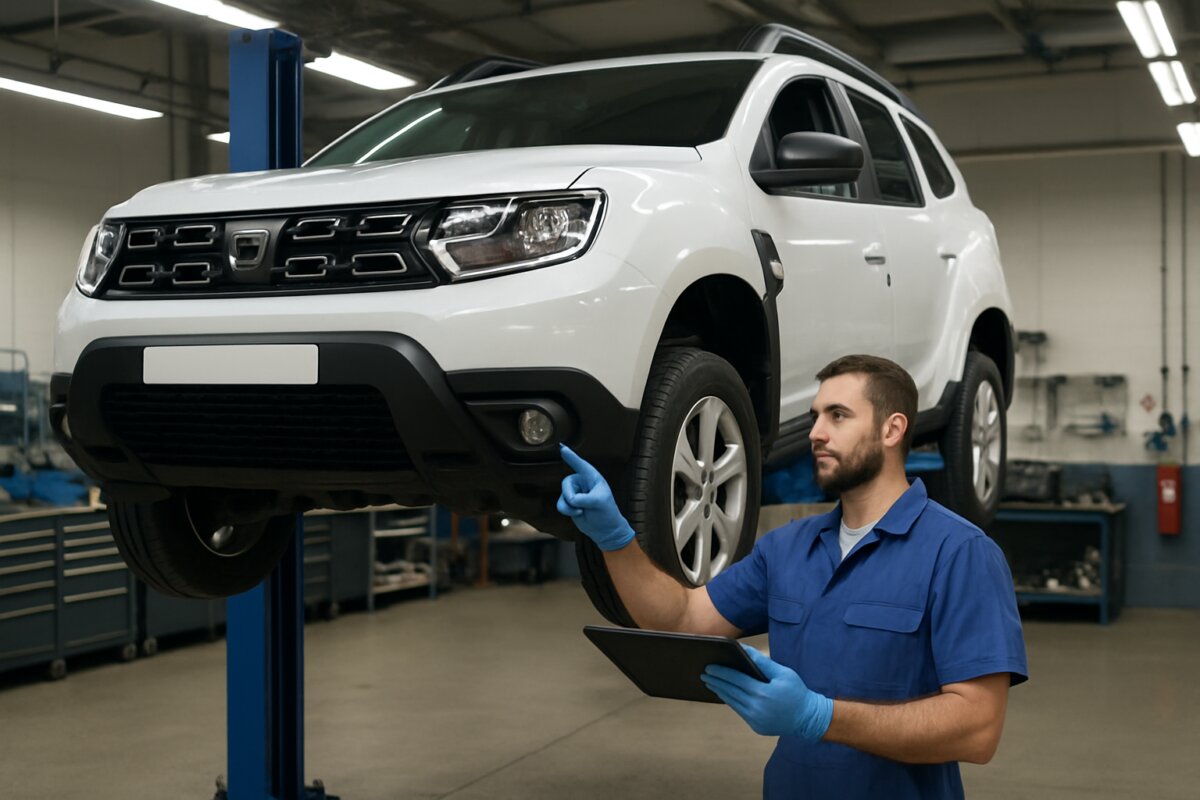
The Dacia Duster has gained popularity across the UK for its affordability and rugged appeal. However, like any vehicle, this Romanian SUV experiences its share of common faults and problems. Understanding these issues helps owners identify symptoms early and maintain their vehicle properly, potentially saving hundreds of pounds in repair costs.
Electrical system failures
The Duster’s electrical gremlins remain a persistent headache for many owners. The most frequent complaint involves the central locking system malfunctioning, leaving drivers locked out or unable to secure their vehicle properly.
Dashboard warning lights illuminate randomly, particularly the ABS and airbag warnings. These false alarms stem from faulty wiring harnesses and corroded connections. The ABS sensor frequently fails, triggering persistent warning lights even when the braking system functions normally.
Window mechanisms present another electrical concern. Power windows stick halfway or refuse to operate entirely. The window switch contacts wear prematurely, requiring replacement within the first few years of ownership.
Professional tip: Clean all electrical connections annually with contact cleaner to prevent corrosion-related failures.
Suspension component wear
The Duster’s suspension suffers from accelerated wear, particularly on UK roads. Front shock absorbers typically require replacement around 60,000 miles, earlier than expected for this vehicle class.
Suspension bushes deteriorate rapidly, causing noticeable handling changes and increased road noise. The suspension arm bushings bear the brunt of this wear, creating clunking sounds over bumps and during cornering.
Coil springs occasionally snap without warning, particularly rear units. This failure creates a dangerous driving situation and requires immediate attention. The suspension springs show signs of corrosion before complete failure, making regular inspection crucial.
Anti-roll bar links wear excessively, producing rattling noises during low-speed manoeuvres. These sway bar links typically last only 40,000-50,000 miles under normal driving conditions.
Engine cooling problems
Cooling system failures plague many Duster variants, especially the 1.5 dCi diesel engines. The radiator thermostat sticks closed, causing overheating issues that can lead to serious engine damage if ignored.
Water pump failures occur prematurely, often around 80,000 miles. Symptoms include coolant leaks beneath the vehicle and temperature gauge fluctuations. The water pump replacement requires significant labour, making early detection essential.
Radiator fan motors burn out frequently, leaving the engine vulnerable to overheating in traffic. The cooling fan failure often goes unnoticed until the temperature rises dangerously high.
Expansion tank caps lose pressure sealing ability, allowing coolant to escape and air to enter the system. This seemingly minor component failure can cause major cooling system problems if left unaddressed.
Transmission and drivetrain issues
Manual gearboxes in the Duster develop shifting problems, particularly difficulty engaging reverse gear. The clutch kit wears faster than expected, especially in models used for towing or off-road driving.
Four-wheel-drive variants experience transfer case problems, including seized mechanisms and oil leaks. The transfer case requires regular servicing with specific lubricants to prevent costly failures.
Driveshafts and CV joints wear prematurely, particularly on the front axle. Clicking noises during turns indicate worn CV joints that need immediate replacement to prevent complete failure.
Differential problems manifest as whining noises during acceleration or cornering. The rear differential particularly suffers in all-wheel-drive models, requiring expensive rebuilds when neglected.
Warning signs your car has a problem
Recognising early warning signs prevents minor issues from becoming expensive repairs. Pay attention to these common symptoms that indicate developing problems with your Duster.
- Strange noises during engine operation or while driving
- Dashboard warning lights that remain illuminated
- Changes in handling, steering response, or braking performance
- Unusual vibrations through the steering wheel or pedals
- Fluid leaks beneath the parked vehicle
- Difficulty starting or irregular engine idle
- Excessive exhaust smoke or unusual odours
- Temperature gauge readings outside normal range
How to fix the problems
Addressing Duster problems requires systematic diagnosis and quality replacement parts. Here’s a practical approach to common repairs:
| Problem Category | DIY Difficulty | Estimated Cost | Time Required |
|---|---|---|---|
| Electrical faults | Medium | £50-200 | 2-4 hours |
| Suspension wear | Hard | £150-600 | 4-8 hours |
| Cooling issues | Medium | £80-400 | 2-6 hours |
| Transmission problems | Expert | £300-1500 | 8-16 hours |
Expert advice: Always use genuine or OEM-equivalent parts when repairing your Duster to ensure reliability and maintain warranty coverage.
For electrical problems, start by checking fuse boxes and cleaning corroded terminals. Many issues resolve with proper cleaning and quality electrical contact spray.
Suspension repairs often require special tools and safety equipment. Consider professional fitting for critical safety components like brake pads and steering components.
When to see a mechanic
Certain problems demand immediate professional attention to prevent safety hazards or catastrophic damage. Never delay seeking expert help when experiencing these symptoms.
Brake system problems require urgent attention. If you notice spongy brake pedal feel, grinding noises, or reduced stopping power, visit a qualified technician immediately. The brake fluid level should never run low.
Engine overheating demands immediate action. Pull over safely and switch off the engine if the temperature gauge enters the red zone. Continuing to drive with an overheated engine causes irreversible damage.
Strange noises from the engine bay, particularly knocking or grinding sounds, indicate serious internal problems. These symptoms often signal expensive repairs if ignored.
| Urgency Level | Symptoms | Action Required |
|---|---|---|
| Immediate | Brake failure, overheating, steering loss | Stop driving immediately |
| This week | Warning lights, unusual noises, fluid leaks | Book garage appointment |
| This month | Minor rattles, cosmetic damage | Plan repair at convenience |
Frequently asked questions
What are the most common Dacia Duster electrical problems?
Central locking failures, dashboard warning lights, and power window malfunctions top the list. Corroded wiring connections cause most electrical gremlins in these vehicles.
How long do Dacia Duster engines typically last?
With proper maintenance, Duster engines reach 150,000-200,000 miles. The 1.6-litre petrol and 1.5 dCi diesel units prove most reliable when serviced regularly.
Are Dacia Duster suspension problems expensive to fix?
Suspension repairs cost £150-600 depending on components needed. Shock absorbers and bushes represent the most common replacements required on these vehicles.
What causes Dacia Duster cooling system failures?
Thermostat failures, water pump wear, and radiator fan problems cause most cooling issues. Regular coolant changes prevent many expensive cooling system repairs.
Should I buy a used Dacia Duster with known problems?
Purchase wisely by budgeting for known issues like electrical faults and suspension wear. A well-maintained example with service history offers better value.
Final recommendation
The Dacia Duster remains an excellent value proposition despite its known faults. Our mechanics recommend focusing on preventive maintenance rather than reactive repairs. Regular servicing, quality parts, and early problem identification keep ownership costs manageable.
Most Duster problems stem from deferred maintenance rather than fundamental design flaws. Owners who address issues promptly and use quality replacement parts enjoy reliable service from their vehicles. The key lies in understanding these common problems and taking proactive steps to prevent them.
With proper care and timely repairs using quality components, your Duster can provide years of dependable service. The vehicle’s simplicity works in its favour, making most repairs straightforward and affordable compared to premium SUVs.

 Loading...