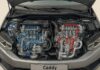
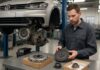
Servicing your car involves replacing essential fluids, filters, and worn components according to the manufacturer’s maintenance schedule. Regular servicing typically includes oil filter replacement, fluid top-ups, visual inspections, and checking critical safety systems. This preventive maintenance extends vehicle life, improves fuel efficiency, and helps identify potential issues before they become costly repairs.
Tools and parts required
Parts needed:
- Engine oil (grade specified in handbook)
- Oil filter (vehicle specific)
- Air filter replacement
- Fuel filter (if serviceable)
- Brake fluid
- Coolant mixture
- New drain plug washer
- Replacement O-rings and seals
Tools required:
- Socket set with extension bars
- Torque wrench
- Oil drain pan (minimum 6-litre capacity)
- Funnel for fluid changes
- Jack and axle stands
- Basic spanners
- Disposable gloves
- Vehicle inspection torch
Safety precautions
Always work on level ground with the handbrake applied and engine switched off. Allow the engine to cool for at least 30 minutes before draining hot oil. Use proper jack points and never rely solely on a trolley jack for support. Wear safety glasses when working underneath the vehicle and dispose of waste fluids responsibly at recycling centres.
Step-by-step instructions
Step 1: Warm the engine and prepare
Start the engine and let it run for 2-3 minutes to warm the oil slightly. This helps the oil drain more completely. Switch off the engine and engage the handbrake. Position your drain pan beneath the sump plug before loosening it with your socket set.
Step 2: Drain engine oil
Remove the oil filler cap to allow air into the system. Carefully unscrew the sump drain plug using the correct socket size. Allow the oil to drain completely into your catch pan. This typically takes 10-15 minutes for thorough drainage.
Step 3: Replace oil filter
Locate the oil filter housing and position your drain pan underneath. Remove the old filter using an oil filter wrench if necessary. Apply a thin film of new oil to the rubber seal of the replacement filter before installation. Tighten by hand plus three-quarters of a turn.
Step 4: Replace air filter
Open the air filter housing, typically secured with clips or screws. Remove the old filter element and clean any debris from the housing. Install the new air filter, ensuring it sits properly in the housing. Secure the cover firmly.
Step 5: Refill fluids and check levels
Replace the drain plug with a new washer and tighten to the manufacturer’s torque specification. Refill the engine with the correct grade and quantity of oil using your funnel. Check and top up brake fluid, coolant, and windscreen washer fluid levels.
Step 6: Test and inspect
Start the engine and check for leaks around the drain plug and filter. Allow the engine to reach operating temperature and switch off. Wait 5 minutes before checking the oil level on the dipstick. Top up if necessary.
Common mistakes to avoid
Never over-tighten the drain plug as this can strip the threads in the aluminium sump. Avoid reusing old drain plug washers, which can cause leaks. Don’t forget to replace the oil filler cap after refilling. Always dispose of used oil and filters at authorised recycling points.
Using the wrong oil grade can affect engine performance and longevity. Double-check your handbook for the correct viscosity rating. Installing the air filter incorrectly allows unfiltered air into the engine, potentially causing damage.
Professional tip: Keep a service record book in your vehicle and note the mileage, date, and parts used. This documentation helps maintain warranty validity and proves regular maintenance to potential buyers.
When should you replace components?
Oil and filter changes are typically required every 6,000-10,000 miles, depending on driving conditions and oil type. Severe driving conditions like frequent short journeys, dusty environments, or stop-start traffic may require more frequent servicing.
Air filters generally need replacement every 12,000-15,000 miles, but this varies with environmental conditions. Spark plugs typically last 20,000-30,000 miles for standard plugs, whilst long-life versions may extend to 60,000 miles.
Brake fluid should be changed every two years regardless of mileage, as it absorbs moisture over time. Coolant replacement intervals vary from 40,000-100,000 miles depending on the fluid type used.
Related maintenance you can do at the same time
While you have the tools out, consider checking your brake pads for wear. Look for scoring on the brake discs and check that pad thickness exceeds the minimum specification.
Inspect belts for cracking or fraying, particularly the alternator drive belt. Check battery terminals for corrosion and clean if necessary. Examine exhaust mountings and look for signs of rust or damage.
Top up power steering fluid if your vehicle has hydraulic assistance. Check tyre pressures and tread depth while the vehicle is elevated. This comprehensive approach maximises the value of your service time.
Efficiency tip: Group similar maintenance tasks together to save time. For example, checking all fluid levels during one inspection, or replacing multiple filters during the same service interval.
Frequently asked questions
How often should I service my car?
Follow your manufacturer’s recommended service intervals, typically every 6-12 months or 6,000-12,000 miles, whichever comes first.
Can I use any brand of oil?
Use oil that meets your manufacturer’s specifications for viscosity grade and performance standards, regardless of brand.
What happens if I miss a service?
Missing services can void warranties, reduce engine life, and potentially cause expensive component failures.
Should I service more frequently for city driving?
Yes, stop-start traffic and short journeys constitute severe driving conditions requiring more frequent oil changes.
How do I know if my air filter needs changing?
Remove it and hold it up to light; if you cannot see through it clearly, replacement is needed.
Regular servicing keeps your vehicle running efficiently and helps identify potential problems early. Using quality replacement parts and following proper procedures ensures optimal performance and longevity. Whether you’re replacing filters, changing fluids, or inspecting components, maintaining detailed service records demonstrates responsible ownership and preserves your vehicle’s value.

 Loading...