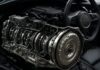
The Volkswagen T-Roc has established itself as a popular compact SUV in the UK market, offering versatility and style for urban and countryside driving alike. The heart of any vehicle lies in its powerplant, and the T-Roc’s engine lineup determines everything from daily fuel costs to weekend adventure capabilities. With power outputs ranging from 115 to 300 horsepower and torque figures spanning 200 to 400 Nm, these engines cater to diverse driving needs whilst maintaining VW’s reputation for engineering excellence.
Comparison table of all engines
| Engine | Power Output | Torque | Fuel Consumption | Reliability |
|---|---|---|---|---|
| 1.0 TSI | 115 PS | 200 Nm | 52-56 mpg | Very Good |
| 1.5 TSI | 150 PS | 250 Nm | 48-52 mpg | Excellent |
| 2.0 TSI | 190 PS | 320 Nm | 42-45 mpg | Very Good |
| 2.0 TDI | 150 PS | 340 Nm | 58-62 mpg | Excellent |
| 2.0 TSI R | 300 PS | 400 Nm | 35-38 mpg | Good |
1.0 TSI engine overview
The 1.0 TSI represents VW’s entry-level petrol offering in the T-Roc range. This three-cylinder turbocharged unit displaces 999cc and employs direct fuel injection technology. The turbocharger provides adequate boost across the rev range, making this compact powerplant surprisingly capable for its size.
Built on VW’s proven EA211 architecture, this engine features an aluminium block and head construction. The turbocharger spools up quickly thanks to sophisticated wastegate control, whilst fuel filters ensure clean delivery to the high-pressure injection system.
Pros
- Excellent fuel economy figures
- Low road tax and insurance costs
- Adequate performance for city driving
- Proven reliability record
- Responsive turbocharger
Cons
- Limited overtaking ability on motorways
- Three-cylinder vibration at idle
- Struggles with full loads
- Engine noise under acceleration
1.5 TSI engine overview
The 1.5 TSI strikes an ideal balance between performance and efficiency. This four-cylinder turbocharged unit features 1,498cc displacement with advanced cylinder deactivation technology. During light load conditions, two cylinders shut down automatically, enhancing fuel economy without compromising drivability.
Variable valve timing and direct injection work together to optimise combustion efficiency. The turbocharger provides strong mid-range torque delivery, making this engine particularly suited to UK driving conditions. Regular oil filter changes maintain optimal lubrication for the variable geometry components.
Pros
- Cylinder deactivation technology saves fuel
- Smooth four-cylinder operation
- Strong mid-range performance
- Quiet at motorway speeds
- Good towing capability
Cons
- Higher purchase price than 1.0 TSI
- Complex technology increases service costs
- Premium fuel recommended
2.0 TSI engine overview
The 2.0 TSI delivers serious performance credentials to the T-Roc lineup. This four-cylinder turbocharged powerplant displaces 1,984cc and features sophisticated engine management systems. Variable valve timing on both intake and exhaust sides optimises power delivery across the entire rev range.
High-pressure direct injection operates at up to 200 bar, ensuring precise fuel metering. The intercooled turbocharger maintains consistent performance even under sustained high loads, though proper air filter maintenance remains crucial for optimal operation.
Pros
- Excellent overtaking performance
- Smooth power delivery
- Good high-speed refinement
- Suitable for towing
Cons
- Higher fuel consumption
- Increased insurance premiums
- Premium fuel strongly recommended
- More expensive maintenance
2.0 TDI engine overview
The 2.0 TDI represents VW’s diesel offering in the T-Roc range. This four-cylinder turbodiesel displaces 1,968cc and employs common rail fuel injection technology. The sophisticated emissions control system includes selective catalytic reduction and a diesel particulate filter to meet Euro 6 standards.
Variable geometry turbocharging provides excellent torque from low engine speeds. The aluminium construction reduces weight whilst maintaining durability. AdBlue injection helps reduce NOx emissions, requiring regular top-ups of the additive tank.
Pros
- Outstanding fuel economy
- Excellent torque delivery
- Perfect for long-distance driving
- Strong towing capability
- Proven reliability
Cons
- DPF regeneration cycles
- AdBlue running costs
- Not suitable for short journeys
- Diesel clatter at idle
- Higher servicing costs
2.0 TSI R engine overview
The flagship 2.0 TSI R transforms the T-Roc into a genuine performance machine. This highly tuned four-cylinder turbocharged unit produces 300 PS through aggressive turbocharging and advanced engine management. The all-wheel-drive system channels power to all four wheels for maximum traction.
Forged internals handle the increased power output, whilst an uprated cooling system manages thermal loads. The high-performance turbocharger requires premium engine oil and frequent changes to maintain reliability under extreme conditions.
Pros
- Exceptional performance figures
- All-wheel-drive traction
- Impressive build quality
- Strong residual values
Cons
- High fuel consumption
- Expensive insurance
- Premium fuel essential
- Costly maintenance requirements
- Limited availability
Maintenance cost
| Engine | Recommended Interval | Estimated Cost | Cost per 10,000 miles |
|---|---|---|---|
| 1.0 TSI | 12 months/10,000 miles | £180-220 | £180-220 |
| 1.5 TSI | 12 months/10,000 miles | £200-250 | £200-250 |
| 2.0 TSI | 12 months/10,000 miles | £220-280 | £220-280 |
| 2.0 TDI | 12 months/15,000 miles | £250-320 | £167-213 |
| 2.0 TSI R | 6 months/7,500 miles | £350-450 | £467-600 |
Engine sound and character
Each T-Roc engine delivers a distinct acoustic signature. The 1.0 TSI produces a characteristic three-cylinder thrum, particularly noticeable at idle but smoothing out under acceleration. The 1.5 TSI offers refined four-cylinder smoothness with subtle turbo whoosh during spirited driving.
The 2.0 TSI provides a more purposeful note, especially when fitted with the optional sports exhaust. Meanwhile, the 2.0 TDI delivers typical diesel character – economical and torquey but with audible compression ignition clatter. The range-topping R model howls aggressively under full throttle, befitting its performance credentials.
Our mechanics at AutoPartsPro always recommend using manufacturer-specified oils for optimal engine longevity, particularly important with modern turbocharged units that operate under extreme thermal stress.
Who each engine is best for
| Engine | Best For |
|---|---|
| 1.0 TSI | Daily commuters, first-time buyers, city driving |
| 1.5 TSI | Balanced usage, small families, efficiency-conscious drivers |
| 2.0 TSI | Performance enthusiasts, overtaking confidence, premium feel |
| 2.0 TDI | Long-distance drivers, business users, towing applications |
| 2.0 TSI R | Performance enthusiasts, track day users, prestige seekers |
According to our AutoPartsPro specialists, the 1.5 TSI offers the best compromise between performance, economy, and reliability for most UK drivers, making it our top recommendation for the T-Roc range.
Frequently asked questions (FAQ)
What is the most reliable VW T-Roc engine?
The 1.5 TSI and 2.0 TDI engines demonstrate exceptional reliability records. Both feature proven technology with minimal reported issues when properly maintained.
Can I use regular unleaded in the TSI engines?
Yes, but premium fuel is recommended for optimal performance. The 2.0 TSI R specifically requires 98 RON for proper operation.
How often should I service my T-Roc diesel engine?
VW recommends 15,000-mile intervals for the 2.0 TDI, though annual services are advisable regardless of mileage for optimal reliability.
Does the 1.0 TSI engine have timing chain issues?
No significant timing chain problems have been reported. The EA211 engine family has proven reliable when serviced according to manufacturer schedules.
What causes DPF problems in the T-Roc diesel?
Short journeys prevent proper regeneration cycles. Regular motorway driving helps maintain DPF health by allowing complete burn-off of accumulated particulates.

 Loading...