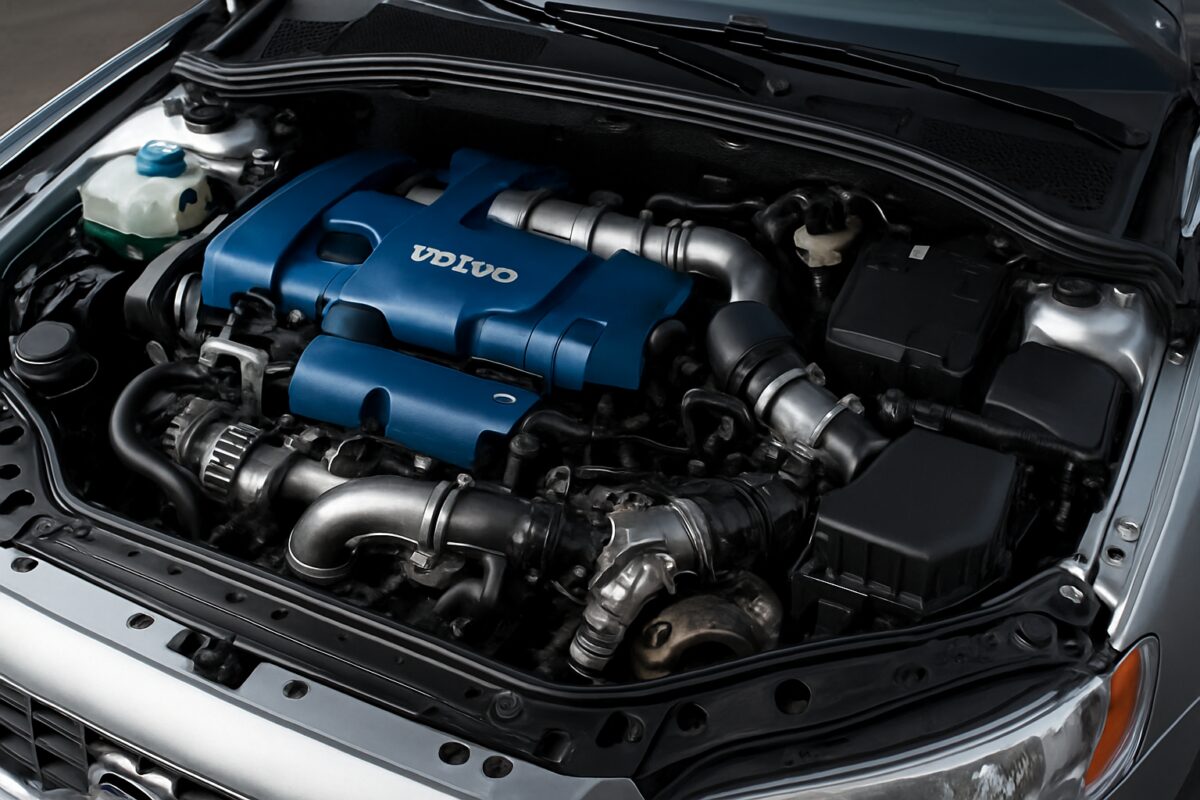
The Volvo V70 stands as one of the most recognisable estate cars in the premium family segment, combining Scandinavian practicality with robust engineering. The engine lineup remains crucial to this vehicle’s appeal, offering a diverse range of powertrains from efficient diesel units to powerful turbocharged petrol engines. Key specifications include outputs ranging from 109 horsepower in base diesel variants to 300 horsepower in high-performance T6 models, with torque figures spanning from 240 Nm to 440 Nm across the range.
Comparison table of all engines
| Engine | Power Output | Torque | Fuel Consumption | Reliability |
|---|---|---|---|---|
| 2.0 D3 | 109-163 hp | 240-400 Nm | 4.8-5.2 L/100km | Good |
| 2.4 D5 | 163-215 hp | 340-440 Nm | 5.8-6.4 L/100km | Excellent |
| 2.0 T4 | 180-190 hp | 300-320 Nm | 7.2-7.8 L/100km | Good |
| 2.5 T5 | 230-254 hp | 320-360 Nm | 8.1-8.7 L/100km | Good |
| 3.0 T6 | 285-300 hp | 400-440 Nm | 9.8-10.2 L/100km | Fair |
2.0 D3 engine overview
The 2.0 D3 represents Volvo’s entry-level diesel offering in the V70 range. This inline-4 turbodiesel unit features a 1,969cc displacement with common rail direct injection technology. The engine utilises a single turbocharger configuration and runs on standard diesel fuel with advanced electronic fuel injection systems.
Pros
- Exceptional fuel economy with figures around 4.8-5.2 L/100km
- Lower road tax due to reduced CO2 emissions
- Adequate torque delivery for everyday driving needs
- Proven reliability record in long-term ownership
- Cost-effective maintenance requirements
Cons
- Limited power output may feel sluggish during overtaking
- Diesel particulate filter issues in urban driving conditions
- Engine noise levels higher than petrol alternatives
- Cold start performance can be problematic in winter
2.4 D5 engine overview
The legendary 2.4 D5 powerplant stands as Volvo’s most successful diesel engine. This inline-5 turbodiesel features 2,400cc displacement and sophisticated common rail injection technology. The unit employs turbocharging with intercooling and operates on standard diesel fuel through precision electronic injection systems.
Pros
- Outstanding torque characteristics ideal for towing and heavy loads
- Proven durability with many examples exceeding 300,000 miles
- Strong resale values due to reputation for reliability
- Balanced performance and economy combination
- Distinctive five-cylinder soundtrack appreciated by enthusiasts
Cons
- Higher purchase price compared to four-cylinder alternatives
- Potential issues with turbocharger components at high mileages
- Complex emissions systems requiring specialist knowledge
- Fuel consumption higher than smaller diesel variants
2.0 T4 engine overview
The 2.0 T4 serves as Volvo’s balanced petrol option in the V70 lineup. This inline-4 turbocharged unit displaces 1,999cc and features direct fuel injection technology. The engine utilises a single turbocharger with intercooling and operates on unleaded petrol through advanced electronic fuel injection.
Pros
- Smooth power delivery throughout the rev range
- Lower noise levels compared to diesel alternatives
- Fewer emissions system complications
- Responsive throttle characteristics for spirited driving
- Generally reliable with proper maintenance schedules
Cons
- Higher fuel consumption than diesel equivalents
- Premium fuel recommended for optimal performance
- Carbon build-up issues with direct injection systems
- Higher running costs due to fuel prices
2.5 T5 engine overview
The 2.5 T5 represents Volvo’s performance-oriented petrol offering. This inline-5 turbocharged powerplant features 2,521cc displacement with advanced fuel injection technology. The unit employs turbocharging with intercooling and runs on unleaded petrol through sophisticated electronic fuel management systems.
Pros
- Impressive power output for spirited driving experiences
- Characteristic five-cylinder engine note
- Strong acceleration capabilities
- Proven track record in performance applications
- Good parts availability through specialist suppliers
Cons
- Significantly higher fuel consumption rates
- Premium fuel requirements increase running costs
- More complex maintenance requirements
- Potential for higher repair costs with performance components
3.0 T6 engine overview
The 3.0 T6 sits at the pinnacle of V70 performance options. This inline-6 turbocharged unit displaces 2,953cc with sophisticated fuel injection technology. The engine features turbocharging with intercooling and operates on premium unleaded fuel through advanced electronic management systems.
Pros
- Exceptional performance figures rivalling sports cars
- Smooth six-cylinder refinement
- Strong towing capacity despite being petrol-powered
- Impressive acceleration for such a large estate
Cons
- Very high fuel consumption particularly in urban conditions
- Complex engine management systems prone to faults
- Expensive maintenance and repair costs
- Limited availability in certain markets
Maintenance cost
| Engine | Recommended Interval | Estimated Cost | Cost per 10,000 miles |
|---|---|---|---|
| 2.0 D3 | 12,500 miles | £280-320 | £224-256 |
| 2.4 D5 | 12,500 miles | £320-380 | £256-304 |
| 2.0 T4 | 10,000 miles | £250-300 | £250-300 |
| 2.5 T5 | 10,000 miles | £300-360 | £300-360 |
| 3.0 T6 | 10,000 miles | £380-450 | £380-450 |
Regular maintenance proves essential for V70 longevity. AutoPartsPro mechanics recommend using quality oil filters and genuine specification fluids to maintain optimal performance.
“The D5 engine responds exceptionally well to regular oil changes using the correct viscosity. We’ve seen these engines reach 400,000 miles with proper care,” notes our lead technician at AutoPartsPro.
Engine sound and character
Each V70 engine variant offers distinctive acoustic characteristics. The D3 provides a typical diesel rumble at idle, becoming refined at cruising speeds. The legendary D5 delivers an unmistakable five-cylinder growl that enthusiasts adore. Petrol variants showcase smoother operation, with the T5’s five-cylinder warble proving particularly memorable. The T6 offers refined six-cylinder smoothness with a subtle performance edge.
Diesel engines exhibit stronger low-end torque delivery, making them ideal for motorway cruising and towing duties. Petrol variants provide more linear power delivery with higher rev capabilities. The exhaust manifold design significantly influences each engine’s character and performance delivery.
“The five-cylinder engines, both diesel and petrol, offer something unique in today’s market. Their character and soundtrack remain unmatched,” explains our powertrain specialist.
Who each engine is best for
| Engine | Best For | Ideal Usage | Target Driver |
|---|---|---|---|
| 2.0 D3 | Daily commuters | High-mileage motorway driving | Budget-conscious owners |
| 2.4 D5 | Long-distance drivers | Towing and heavy loads | Reliability-focused buyers |
| 2.0 T4 | Urban drivers | Mixed city and motorway use | Petrol preference owners |
| 2.5 T5 | Performance enthusiasts | Spirited driving occasions | Speed-focused drivers |
| 3.0 T6 | Power seekers | Maximum performance needs | Premium experience buyers |
The D5 engine particularly suits drivers covering substantial annual mileages who value proven reliability. Professional AutoPartsPro technicians often recommend this variant for its exceptional durability and strong resale values. Proper fuel filter maintenance proves crucial for diesel longevity.
For urban environments, the T4 petrol engine offers advantages through reduced emissions complexity and smoother operation. Performance-oriented drivers gravitate towards T5 variants for their distinctive character and spirited acceleration capabilities. The spark plug quality significantly affects petrol engine performance and efficiency.
Frequently asked questions (FAQ)
Which V70 engine offers the best fuel economy?
The 2.0 D3 delivers the most efficient fuel consumption, typically achieving 50-55 mpg in mixed driving conditions with proper maintenance and driving habits.
How reliable is the D5 engine in high-mileage applications?
The D5 engine demonstrates exceptional reliability, with many examples exceeding 300,000 miles when maintained according to Volvo’s service schedules and quality parts.
What are common problems with V70 petrol engines?
Carbon build-up in direct injection systems represents the most frequent issue, along with potential turbocharger wear in high-performance T5 and T6 variants.
Should I choose diesel or petrol for mixed driving conditions?
For mixed usage, consider annual mileage: diesel suits high-mileage drivers while petrol works better for predominantly urban or low-mileage applications with fewer complications.
How much does V70 engine replacement typically cost?
Engine replacement costs vary significantly: D3 units from £3,500-5,000, D5 engines £4,500-7,000, while T5/T6 variants range £5,000-8,500 including professional installation services.
Regular maintenance using quality components from trusted suppliers like engine oil specialists ensures optimal V70 performance across all engine variants. Understanding each powerplant’s characteristics helps owners make informed decisions based on individual driving requirements and budget considerations.

 Loading...