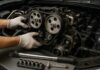
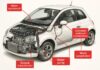
The BMW X5 stands as one of Germany’s most popular luxury SUVs, blending performance with practicality. However, reliability concerns often surface among potential buyers, particularly regarding specific model years and common mechanical issues. Understanding these reliability factors helps determine whether the X5 suits your motoring needs and budget expectations.
Engine problems and oil consumption
BMW X5 models, particularly those equipped with N62 and N63 engines, frequently experience excessive oil consumption. The N62 V8 engine, found in earlier X5 generations, suffers from valve stem seal deterioration and crankcase ventilation system failures.
These engines can consume up to one litre of oil per 1,000 miles under normal driving conditions. The problem stems from worn valve guides and inadequate engine oil circulation systems. Owners report needing frequent top-ups between service intervals.
The newer N63 twin-turbo V8 engine presents similar oil consumption issues, compounded by turbocharger seal failures. These problems typically manifest after 60,000 miles, requiring expensive engine rebuilds or replacements costing £8,000-£15,000.
AutoPartsPro mechanics recommend checking oil levels weekly on high-mileage X5s, as sudden oil starvation can cause catastrophic engine damage within minutes.
Early warning signs include blue exhaust smoke during startup, oil staining on driveways, and frequent low oil pressure warnings on the dashboard display.
Transfer case and drivetrain failures
BMW X5 transfer cases commonly fail between 80,000-120,000 miles, particularly in models with the ATC 500 and ATC 700 units. These failures typically result from inadequate lubrication and excessive heat buildup during extended motorway driving.
Transfer case symptoms include grinding noises during acceleration, vibrations through the steering wheel, and warning lights indicating xDrive system malfunctions. Complete transfer case replacement costs range from £3,500-£6,000 including labour.
The xDrive system relies on complex electronic controls that frequently malfunction due to sensor failures and software glitches. Common culprits include faulty wheel speed sensors, steering angle sensors, and yaw rate sensors.
Differential problems also plague X5 models, with rear differential failures occurring around 100,000 miles. These failures often coincide with transfer case issues, creating expensive repair bills exceeding £8,000 for complete drivetrain overhauls.
Transfer case maintenance requires regular fluid changes every 60,000 miles to prevent premature failure and extend component lifespan.
Air suspension system complications
X5 models equipped with adaptive air suspension experience frequent component failures, particularly air springs and compressor units. Air spring failures typically occur around 70,000-90,000 miles, causing uneven vehicle height and poor ride quality.
The air suspension compressor works continuously to maintain proper ride height, leading to premature wear and eventual failure. Replacement compressors cost £1,200-£2,000, while individual air springs range from £400-£800 each.
Air suspension control modules also fail regularly, causing system errors and inability to adjust ride height. These electronic failures often require dealer programming, adding £200-£500 to repair costs.
Many owners convert to conventional coil springs to eliminate ongoing air suspension problems. This conversion costs £1,500-£2,500 but provides long-term reliability improvements.
Our suspension specialists suggest budgeting £3,000-£5,000 for air suspension repairs over a five-year ownership period on higher mileage X5s.
Electrical system malfunctions
BMW X5 electrical problems include iDrive system failures, parking sensor malfunctions, and central locking issues. The iDrive system frequently freezes or displays error messages, requiring software updates or complete module replacement.
Parking sensors fail regularly due to water ingress and physical damage, causing constant beeping and system warnings. Individual sensor replacement costs £80-£150, while complete system repairs reach £600-£1,000.
Window regulator failures affect both front and rear windows, with mechanisms breaking around 60,000-80,000 miles. These failures require complete regulator replacement costing £300-£500 per window.
The X5’s complex lighting systems also experience problems, including adaptive headlight failures and LED module degradation. Headlight repairs often exceed £1,000 due to expensive electronic components and dealer programming requirements.
Warning signs your car has a problem
Recognising early warning signs helps prevent expensive X5 repairs and ensures safe operation. Key indicators include:
- Oil consumption exceeding one litre per 1,000 miles
- Blue or white exhaust smoke during startup
- Grinding noises from the transfer case area
- Uneven vehicle ride height when parked
- Frequent electronic system warning messages
Dashboard warning lights require immediate attention, particularly those indicating engine, transmission, or suspension problems. Ignoring these warnings often leads to catastrophic component failures.
Unusual noises during operation signal potential mechanical problems requiring professional diagnosis. Grinding, whining, or clicking sounds typically indicate drivetrain component wear.
How to fix the problems
| Problem | Solution | Cost Range | Difficulty |
|---|---|---|---|
| Oil consumption | Engine rebuild/replacement | £8,000-£15,000 | Professional only |
| Transfer case failure | Complete unit replacement | £3,500-£6,000 | Professional only |
| Air suspension failure | Convert to coil springs | £1,500-£2,500 | Professional recommended |
| Window regulator failure | Replace regulator mechanism | £300-£500 | Moderate DIY |
| Parking sensor failure | Replace individual sensors | £80-£150 each | Easy DIY |
Regular maintenance prevents many X5 problems, including frequent oil changes, transmission fluid services, and suspension inspections. Following BMW’s maintenance schedule helps identify potential issues before they become expensive failures.
Quality replacement parts from reputable suppliers ensure reliable repairs and extended component life. Avoid cheap aftermarket alternatives for critical drivetrain and safety components.
When to see a mechanic
Professional diagnosis becomes essential when warning lights appear or unusual symptoms develop. BMW X5 complexity requires specialised diagnostic equipment and technical knowledge beyond typical DIY capabilities.
Schedule immediate inspection if oil consumption exceeds normal levels or drivetrain noises develop. Early intervention prevents catastrophic failures and reduces overall repair costs.
Annual inspections by BMW specialists help identify potential problems before they cause breakdowns. These inspections typically cost £150-£300 but can prevent thousands in unexpected repair bills.
Complex electrical problems require dealer-level diagnostic capabilities and programming tools. Independent specialists with BMW expertise often provide more cost-effective solutions than main dealers.
Frequently asked questions (FAQ)
What year BMW X5 is most reliable?
The 2014-2016 X5 models offer better reliability than earlier generations, with improved engine designs and fewer electronic problems.
How much does BMW X5 maintenance cost annually?
Annual maintenance costs average £1,500-£2,500, including routine servicing and common repairs for vehicles over five years old.
Is BMW X5 expensive to repair?
Yes, X5 repairs are costly due to complex systems and expensive parts, with major failures exceeding £5,000.
What mileage do BMW X5 problems start?
Common problems typically emerge around 60,000-80,000 miles, particularly engine oil consumption and suspension component failures.
Should I buy a high mileage BMW X5?
Avoid high-mileage X5s without comprehensive service records, as repair costs often exceed vehicle value.
Final recommendation
BMW X5 reliability varies significantly by model year and maintenance history. While newer models show improvements, all X5s require substantial maintenance budgets and careful inspection before purchase. Engine problems, transfer case failures, and electrical issues make ownership expensive beyond the initial purchase price.
For buyers seeking luxury SUV reliability, consider alternatives like the Volvo XC90 or Lexus equivalents. If choosing an X5, budget significantly for repairs and select examples with complete service histories. Independent BMW specialists provide more affordable maintenance than main dealers while maintaining service quality.
AutoPartsPro’s technical team recommends thorough pre-purchase inspections for any X5 consideration, as hidden problems often exceed £5,000 in repair costs. Quality brake components and regular filter replacements help maintain reliability, but cannot eliminate inherent design weaknesses in these complex vehicles.

 Loading...