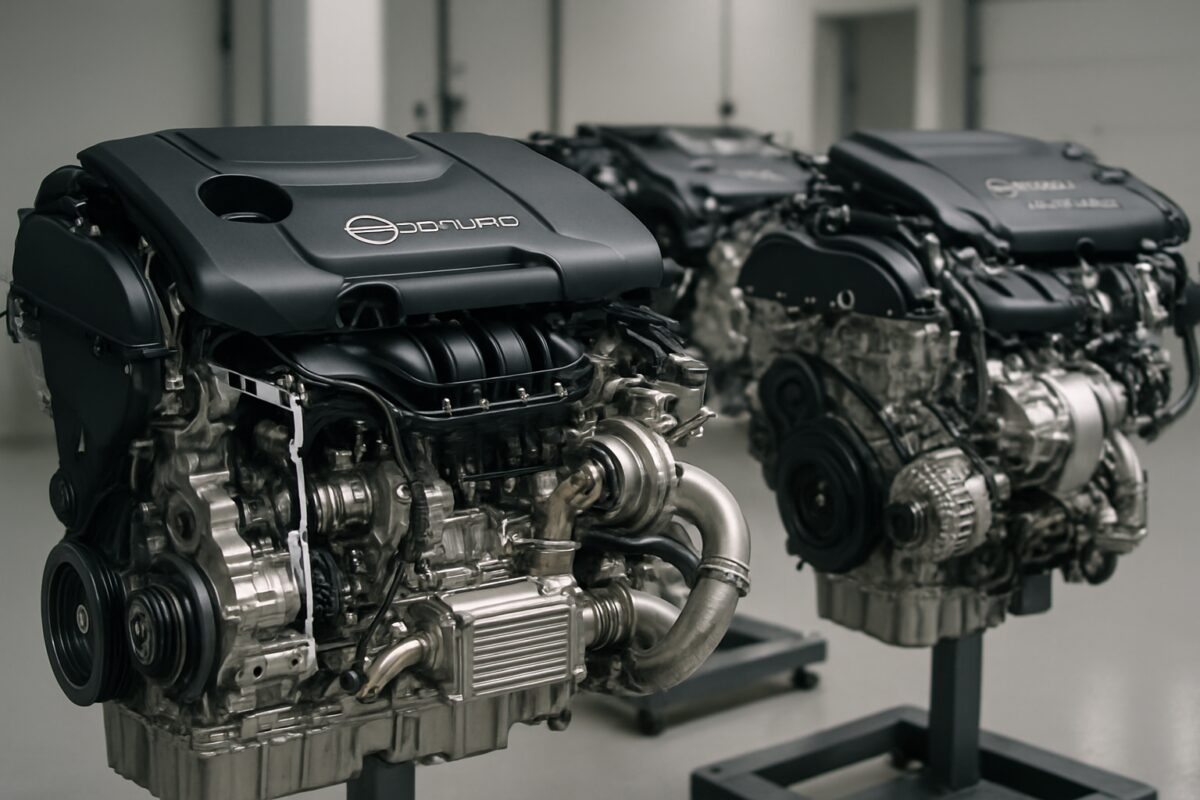
The Opel Insignia stands as a premium mid-size saloon competing directly with the Ford Mondeo and Volkswagen Passat in the executive car segment. Engine selection proves crucial for this vehicle, determining everything from daily driving comfort to long-term running costs. Available powertrains span from efficient diesel units producing 110-210 horsepower to petrol engines ranging from 140-260 horsepower, with torque figures reaching up to 480 Nm in top-spec variants.
Comparison table of all engines
| Engine | Power output | Torque | Fuel consumption | Reliability |
|---|---|---|---|---|
| 1.4 Turbo (140hp) | 140 hp | 200 Nm | 6.8L/100km | Good |
| 1.5 Turbo (165hp) | 165 hp | 250 Nm | 6.5L/100km | Very Good |
| 2.0 Turbo (250hp) | 250 hp | 350 Nm | 8.2L/100km | Good |
| 2.0 Turbo (260hp GSi) | 260 hp | 400 Nm | 8.9L/100km | Average |
| 1.6 CDTI (110hp) | 110 hp | 300 Nm | 4.2L/100km | Average |
| 1.6 CDTI (136hp) | 136 hp | 320 Nm | 4.4L/100km | Good |
| 2.0 CDTI (170hp) | 170 hp | 400 Nm | 4.8L/100km | Good |
| 2.0 BiTurbo CDTI (210hp) | 210 hp | 480 Nm | 5.1L/100km | Average |
1.4 Turbo petrol engine overview
This inline-4 turbocharged petrol engine delivers 140 horsepower through a 1.4-litre displacement with direct injection technology. The unit operates on standard unleaded petrol with a multi-point fuel injection system providing adequate power for urban driving.
Pros
- Lightweight construction reduces overall vehicle weight
- Smooth power delivery in city conditions
- Lower purchase price compared to larger engines
- Adequate performance for daily commuting
- Reasonable fuel consumption figures
Cons
- Limited power for motorway overtaking
- Engine works harder under heavy loads
- Turbo lag noticeable at low revs
- Not suitable for towing applications
1.5 Turbo petrol engine overview
The 1.5-litre turbocharged inline-4 represents Opel’s modern approach to efficient power delivery. This direct-injection unit produces 165 horsepower with improved torque characteristics compared to its smaller sibling, utilising advanced engine management systems.
Pros
- Excellent balance between power and economy
- Modern technology ensures reliability
- Strong mid-range torque delivery
- Responsive acceleration from standstill
- Lower emissions compared to larger engines
Cons
- Premium fuel recommended for optimal performance
- Complex engine management can be expensive to repair
- Requires quality air filters for longevity
2.0 Turbo petrol engine overview
This high-performance 2.0-litre turbocharged inline-4 delivers either 250hp or 260hp in GSi specification. The engine features advanced direct injection with variable valve timing, creating substantial power output suitable for enthusiastic driving.
Pros
- Impressive acceleration and overtaking ability
- Refined power delivery across rev range
- Strong torque output for effortless cruising
- Suitable for performance-oriented driving
Cons
- Higher fuel consumption, especially under load
- Premium components increase maintenance costs
- Requires high-quality spark plugs and regular servicing
- Insurance costs significantly higher
1.6 CDTI diesel engine overview
Available in 110hp and 136hp variants, this common-rail diesel inline-4 uses turbocharging with intercooling. The 1.6-litre displacement provides excellent fuel economy whilst maintaining adequate performance for most driving situations.
Pros
- Outstanding fuel economy figures
- Low CO2 emissions reduce road tax
- Strong low-end torque for city driving
- Lower depreciation compared to petrol variants
- Long service intervals reduce running costs
Cons
- DPF issues in urban driving conditions
- Higher initial purchase price
- Potential EGR valve problems
- Requires quality fuel filters for reliability
2.0 CDTI diesel engines overview
The 2.0-litre common-rail diesel comes in 170hp single-turbo and 210hp BiTurbo configurations. Both variants feature sophisticated injection systems with multiple injection events per combustion cycle, delivering smooth power with impressive torque figures.
Pros
- Excellent motorway cruising ability
- Massive torque output for effortless acceleration
- Suitable for towing heavy loads
- Good fuel economy considering performance
Cons
- Complex turbocharger systems can be costly to repair
- AdBlue system adds maintenance complexity
- Higher servicing costs due to advanced technology
- Potential injector problems in high-mileage examples
Maintenance cost
| Engine | Recommended Interval | Estimated Cost | Cost per 10000 miles |
|---|---|---|---|
| 1.4 Turbo | 15,000 miles | £280 | £187 |
| 1.5 Turbo | 15,000 miles | £320 | £213 |
| 2.0 Turbo | 12,000 miles | £450 | £375 |
| 1.6 CDTI | 20,000 miles | £380 | £190 |
| 2.0 CDTI | 18,000 miles | £520 | £289 |
| 2.0 BiTurbo CDTI | 15,000 miles | £680 | £453 |
Engine sound and character
The petrol engines offer distinctly different acoustic signatures. The 1.4 Turbo provides a subdued, refined note suitable for executive transport, whilst the 1.5 Turbo delivers slightly more character with crisp throttle response. The 2.0 Turbo variants produce an engaging growl under acceleration, particularly the GSi model with its sports exhaust system.
Diesel engines prioritise refinement over excitement. The 1.6 CDTI units remain remarkably quiet during normal operation, with minimal intrusion into the cabin. The larger 2.0 CDTI engines generate a deeper, more substantial sound whilst maintaining civilised manners during cruising.
Our technicians at AutoPartsPro recommend the 1.5 Turbo petrol for most buyers, offering the best compromise between performance, economy, and long-term reliability costs.
Who each engine is best for
| Engine | Best For | Driving Profile | Annual Mileage |
|---|---|---|---|
| 1.4 Turbo | Budget-conscious owners | Urban commuting | Under 12,000 miles |
| 1.5 Turbo | Daily commuters | Mixed driving conditions | 12,000-20,000 miles |
| 2.0 Turbo | Performance enthusiasts | Spirited driving | 8,000-15,000 miles |
| 1.6 CDTI | Economy-focused drivers | Regular motorway use | 15,000-25,000 miles |
| 2.0 CDTI | Long-distance drivers | Motorway cruising | Over 20,000 miles |
| 2.0 BiTurbo | Professional drivers | Heavy-duty applications | Over 25,000 miles |
Consider reading our comprehensive guide on selecting engine oil to maximise your Insignia’s performance and longevity.
Professional mechanics consistently report that regular maintenance using quality components significantly extends engine life, particularly important for the BiTurbo diesel variants.
For owners experiencing reliability issues, understanding engine damage prevention becomes crucial for maintaining these sophisticated powertrains.
Frequently asked questions (FAQ)
Which Opel Insignia engine is most reliable?
The 1.5 Turbo petrol engine offers the best reliability record, with fewer reported issues and reasonable maintenance costs compared to other variants.
What’s the most economical Insignia engine?
The 1.6 CDTI 110hp delivers exceptional fuel economy at 4.2L/100km, making it ideal for high-mileage drivers prioritising running costs.
Should I choose petrol or diesel for my Insignia?
Choose diesel if you cover over 15,000 miles annually with regular motorway driving; petrol suits lower mileage and urban use better.
How often should I service my Insignia engine?
Service intervals range from 12,000-20,000 miles depending on engine type, with diesel variants typically requiring less frequent maintenance than petrol units.
Are Insignia engines expensive to maintain?
Maintenance costs vary significantly by engine type, ranging from £190-£453 per 10,000 miles, with BiTurbo diesel being most expensive to service.
Regular maintenance remains essential regardless of engine choice. Quality oil filters and proper servicing intervals ensure optimal performance and longevity. Additionally, understanding common issues through resources like our maintenance guide helps prevent costly repairs and maintains your Insignia’s executive appeal for years to come.

 Loading...