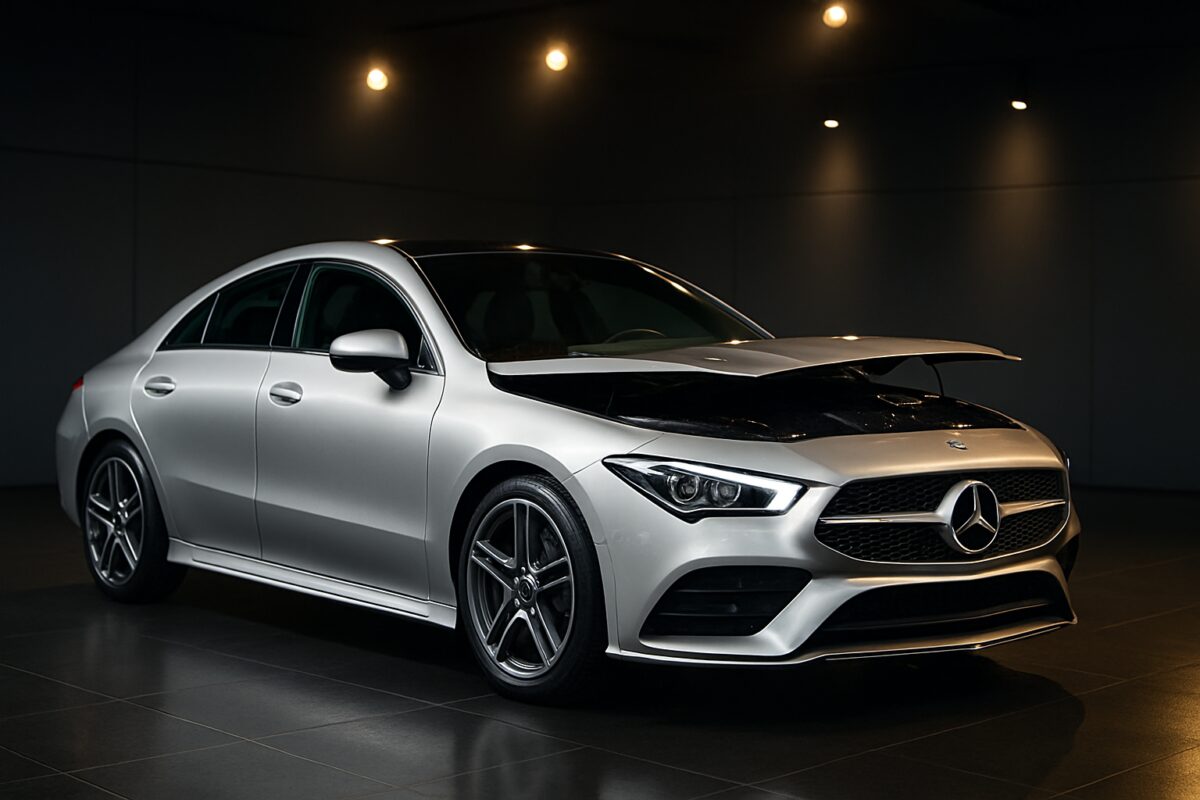
The Mercedes-Benz CLA represents the German marque’s entry into the compact luxury saloon segment, offering premium styling and sophisticated engineering at an accessible price point. The engine oil selection and overall powertrain performance remain crucial factors for potential buyers, as they directly impact running costs, reliability, and driving satisfaction. Available engine options span from efficient four-cylinder petrol units producing 136bhp to high-performance AMG variants generating over 380bhp, with torque figures ranging from 200Nm to 480Nm across the entire lineup.
Comparison table of all engines
| Engine | Power output | Torque | Fuel consumption | Reliability |
|---|---|---|---|---|
| CLA 180 1.3L Turbo | 136bhp | 200Nm | 47.9mpg | Good |
| CLA 200 1.3L Turbo | 163bhp | 250Nm | 44.8mpg | Good |
| CLA 250 2.0L Turbo | 224bhp | 350Nm | 40.4mpg | Very Good |
| CLA 220d 2.0L Diesel | 190bhp | 400Nm | 58.9mpg | Excellent |
| CLA 35 AMG 2.0L Turbo | 306bhp | 400Nm | 34.4mpg | Good |
| CLA 45 S AMG 2.0L Turbo | 421bhp | 500Nm | 31.0mpg | Good |
CLA 180/200 1.3L turbo overview
The entry-level powerplant utilises a 1.3-litre turbocharged inline-four configuration developed in collaboration with Renault-Nissan Alliance. This compact unit features direct fuel injection and advanced turbocharging technology to maximise efficiency whilst maintaining responsive performance. The naturally aspirated design has been replaced by forced induction to meet modern emissions standards whilst providing adequate power delivery for urban and motorway driving scenarios.
Pros
- Excellent fuel economy with combined figures exceeding 44mpg
- Low CO2 emissions reduce company car tax liability
- Smooth power delivery suitable for daily commuting
- Affordable maintenance costs compared to larger engines
- Proven reliability record in Mercedes applications
Cons
- Limited overtaking performance on motorways
- Engine note lacks the refinement of traditional Mercedes units
- Turbo lag noticeable at low revs
- Shared development with other manufacturers affects exclusivity
CLA 250 2.0L turbo overview
Mercedes’ own-developed 2.0-litre turbocharged four-cylinder engine represents the sweet spot in the CLA range. This sophisticated unit incorporates aluminium construction with wet sleeve technology, direct injection, and variable valve timing. The turbocharger system provides strong mid-range torque whilst maintaining reasonable fuel consumption for a performance-oriented application.
Pros
- Strong performance with 224bhp and 350Nm torque
- Refined operation with minimal vibration
- Responsive throttle with minimal turbo lag
- Proven Mercedes engineering and build quality
- Good balance of performance and economy
Cons
- Higher insurance costs due to increased performance
- Premium fuel recommended for optimal performance
- More expensive servicing than smaller engines
- Higher CO2 emissions affect tax implications
CLA 220d 2.0L diesel overview
The diesel variant employs Mercedes’ OM654 2.0-litre turbocharged inline-four engine with common rail direct injection. This advanced powerplant features aluminium construction, NANOSLIDE cylinder coating, and sophisticated emissions control systems including AdBlue injection. The unit delivers exceptional torque output whilst achieving outstanding fuel efficiency figures.
Pros
- Outstanding fuel economy with nearly 60mpg capability
- Massive 400Nm torque for effortless overtaking
- Low CO2 emissions despite strong performance
- Excellent long-distance cruising ability
- Strong resale values in commercial applications
Cons
- AdBlue system requires regular top-ups
- DPF regeneration cycles necessary for city driving
- Diesel fuel costs generally higher than petrol
- Potential emissions-related restrictions in city centres
- More complex maintenance requirements
CLA 35/45 AMG overview
AMG variants utilise hand-built 2.0-litre turbocharged engines representing the pinnacle of four-cylinder performance technology. These units feature forged internals, advanced cooling systems, and sophisticated engine management. The CLA 45 S produces world-leading specific output figures whilst maintaining surprising reliability for such extreme performance levels.
Pros
- World-class specific power output
- Thrilling performance with sub-4-second acceleration
- Hand-built quality and attention to detail
- Advanced all-wheel-drive system maximises traction
- Exclusive ownership experience and prestige
Cons
- Extremely high purchase and running costs
- Premium fuel requirement adds to operating expenses
- High insurance premiums due to performance classification
- Frequent servicing required to maintain warranty
- Limited rear seat space compared to standard models
Maintenance cost
| Engine | Recommended Interval | Estimated Cost | Cost per 10,000 miles |
|---|---|---|---|
| CLA 180/200 1.3L | 15,500 miles | £280 | £181 |
| CLA 250 2.0L | 15,500 miles | £320 | £206 |
| CLA 220d 2.0L | 25,000 miles | £450 | £180 |
| CLA 35 AMG | 10,000 miles | £450 | £450 |
| CLA 45 S AMG | 10,000 miles | £550 | £550 |
Engine sound and character
Each powerplant in the CLA range delivers a distinct acoustic signature that reflects its intended purpose and engineering philosophy. The 1.3-litre units produce a subdued three-cylinder-like note that prioritises refinement over drama, making them ideal for business use where cabin quietness matters most. Mercedes’ own 2.0-litre petrol engine generates a more satisfying four-cylinder rumble with subtle sporty undertones during acceleration.
The diesel variant operates with characteristic compression ignition clatter at idle, though modern sound deadening largely eliminates intrusive noise during normal driving. Professional mechanics at AutoPartsPro often note that AMG variants produce an artificially enhanced soundtrack through active sound management systems, creating an aggressive exhaust note that belies the four-cylinder configuration.
“Our technicians consistently observe that CLA owners prioritise different acoustic characteristics based on their driving needs. Business users favour the refined whisper of efficiency engines, whilst enthusiasts gravitate towards AMG’s dramatic sound engineering.”
Who each engine is best for
| Engine | Best for |
|---|---|
| CLA 180 1.3L | Daily commuters, first-time luxury buyers, urban drivers |
| CLA 200 1.3L | Small families, company car users, balanced performance seekers |
| CLA 250 2.0L | Driving enthusiasts, weekend tourers, performance-oriented buyers |
| CLA 220d 2.0L | Long-distance drivers, business users, fuel economy prioritisers |
| CLA 35 AMG | Performance enthusiasts, track day participants, prestige seekers |
| CLA 45 S AMG | Ultimate performance seekers, collectors, track specialists |
According to experienced technicians, the diesel variant proves most suitable for drivers covering more than 15,000 miles annually, whilst AMG models attract customers prioritising excitement over practicality. The 1.3-litre engines work best for urban environments where stop-start efficiency matters more than outright performance.
“We’ve observed that customers who choose AMG variants often require more frequent brake pad replacements due to spirited driving habits, whilst diesel owners typically achieve exceptional component longevity through steady motorway use.”
The maintenance requirements vary significantly between engine types, with AMG variants demanding specialist knowledge and premium components. Standard engines benefit from more straightforward servicing procedures and wider parts availability through independent specialists.
Frequently asked questions
Which CLA engine offers the best fuel economy?
The CLA 220d diesel delivers outstanding 58.9mpg combined, making it the most economical choice for high-mileage drivers seeking premium luxury.
Are Mercedes CLA engines reliable?
Generally yes, particularly the 2.0-litre units which demonstrate excellent long-term durability. The 1.3-litre engines show good reliability despite shared development origins.
What’s the difference between CLA 200 and CLA 250?
The CLA 250 uses Mercedes’ own 2.0-litre engine producing 224bhp versus the 1.3-litre unit in CLA 200 with 163bhp output.
Should I buy petrol or diesel CLA?
Choose diesel for annual mileage above 15,000 miles and predominantly motorway driving. Petrol suits urban use and lower annual distances better.
How much does CLA engine servicing cost?
Standard services range from £280-450 depending on engine type, whilst AMG variants require £450-550 for specialist maintenance procedures and premium components.

 Loading...