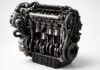
To clean your DPF filter while driving, perform an active regeneration by driving at motorway speeds (60+ mph) for 15-20 minutes, keeping engine RPM above 2000. This high-temperature process burns off accumulated soot particles naturally. Ensure your fuel tank is at least half full and the engine is fully warmed up before attempting this cleaning method.
Understanding DPF regeneration cycles
Modern diesel vehicles use diesel particulate filters to reduce harmful emissions. These filters capture soot particles during normal driving but require regular cleaning through regeneration cycles.
Your car’s ECU monitors soot levels and triggers regeneration automatically. However, frequent short journeys prevent this natural cleaning process, causing filter blockages.
There are three types of regeneration: passive (occurs naturally during motorway driving), active (ECU-initiated), and forced (performed by garages using diagnostic equipment).
When should you clean your DPF whilst driving?
Watch for these warning signs indicating your DPF needs cleaning:
- DPF warning light illuminated on dashboard
- Reduced engine power or limp mode
- Increased fuel consumption
- Unusual exhaust smoke
- Engine struggling at idle
Most manufacturers recommend DPF cleaning every 300-500 miles of city driving. If you primarily drive short distances, plan regular motorway journeys to maintain filter health.
Professional tip: Check your vehicle handbook for specific DPF regeneration procedures, as requirements vary between manufacturers and engine types.
Safety precautions before starting
Ensure your vehicle is roadworthy before attempting DPF cleaning. Check tyre pressures, engine oil levels, and coolant levels.
Never attempt forced regeneration if warning lights indicate serious engine problems. Address any fault codes first.
Plan your route to include sustained high-speed driving without frequent stops. Motorways and dual carriageways work best for this process.
Step-by-step cleaning instructions
Step 1: Prepare your vehicle
Ensure your fuel tank is at least half full. Low fuel levels can interrupt regeneration cycles. Check that no warning lights are active except the DPF indicator.
Allow your engine to reach normal operating temperature before starting the cleaning process. Cold engines cannot achieve the high temperatures needed for effective regeneration.
Step 2: Begin motorway driving
Drive at speeds between 60-70 mph for sustained periods. Maintain engine RPM above 2000 throughout the process.
Avoid heavy acceleration or sudden braking. Steady throttle input helps maintain optimal exhaust temperatures for soot burning.
Step 3: Monitor regeneration progress
Watch for signs of active regeneration: slightly rougher idle, increased fan noise, or temporary exhaust smoke. These indicate the cleaning process is working.
Continue driving for 15-20 minutes minimum. Some vehicles may require up to 30 minutes for complete regeneration cycles.
Step 4: Complete the cycle
Don’t stop immediately when the DPF light goes off. Continue driving for an additional 5-10 minutes to ensure complete soot burning.
Allow the engine to idle for 2-3 minutes after parking to cool down gradually. This prevents thermal shock to engine components.
Alternative cleaning methods
If driving regeneration fails, consider these professional options:
Manual regeneration: Garages use diagnostic equipment to force regeneration cycles. This typically costs £50-150 depending on your location.
Chemical cleaning: Specialised DPF cleaning fluids can dissolve stubborn deposits. Add these to your fuel tank following manufacturer instructions.
Physical removal: Severely blocked filters may need professional cleaning or replacement. This involves removing the particulate filter entirely.
Expert advice: Our technicians recommend monthly motorway drives for city-based vehicles to prevent DPF problems developing.
Common mistakes to avoid
Don’t attempt regeneration with low fuel levels. The process consumes extra diesel and may fail if the tank runs low.
Avoid stopping mid-cycle unless absolutely necessary. Interrupting regeneration can worsen blockages and damage filter components.
Never ignore persistent DPF warnings. Continued driving with a blocked filter can cause expensive engine damage requiring major repairs.
Don’t use aggressive acceleration thinking it helps. Steady, sustained speeds work more effectively than rapid gear changes.
Maintenance tips for DPF longevity
Regular oil filter changes prevent contamination reaching your DPF. Use only low-ash engine oils specified by your manufacturer.
Consider replacing your air filter regularly to ensure clean airflow. Dirty filters reduce combustion efficiency and increase soot production.
Plan longer journeys occasionally if you mainly drive in urban areas. Weekly 20-minute motorway drives prevent most DPF issues.
Check sensor connections during routine servicing. Faulty sensors can prevent proper regeneration triggering.
Related maintenance during DPF cleaning
While performing DPF regeneration, consider these complementary maintenance tasks:
Replace your cabin filter to improve air quality inside your vehicle. Clogged cabin filters reduce HVAC efficiency.
Inspect exhaust system components for damage or corrosion. Look for loose connections that might affect backpressure.
Check turbocharger operation if fitted. Faulty turbos can affect exhaust temperatures needed for regeneration.
Frequently asked questions
How often should I clean my DPF filter whilst driving?
Perform motorway regeneration drives every 300-500 miles of city driving, or when the DPF warning light appears.
Can I damage my engine by driving fast during regeneration?
No, maintaining 60-70 mph speeds with steady throttle input is safe and necessary for effective DPF cleaning.
What happens if I ignore DPF warning lights?
Continued driving with blocked filters causes expensive engine damage, reduced performance, and potentially failed MOT tests.
Does DPF regeneration increase fuel consumption?
Yes, active regeneration temporarily increases fuel usage by 10-15% but prevents costly repairs and maintains engine efficiency.
Can I perform DPF cleaning in city traffic?
No, stop-start traffic prevents reaching the sustained high temperatures needed for effective soot burning and regeneration.
Regular DPF maintenance through proper driving techniques saves money and prevents breakdowns. Understanding your vehicle’s regeneration requirements and responding promptly to warning signs ensures reliable performance. Modern diesel engines depend on clean particulate filters for optimal operation and emissions compliance.

 Loading...