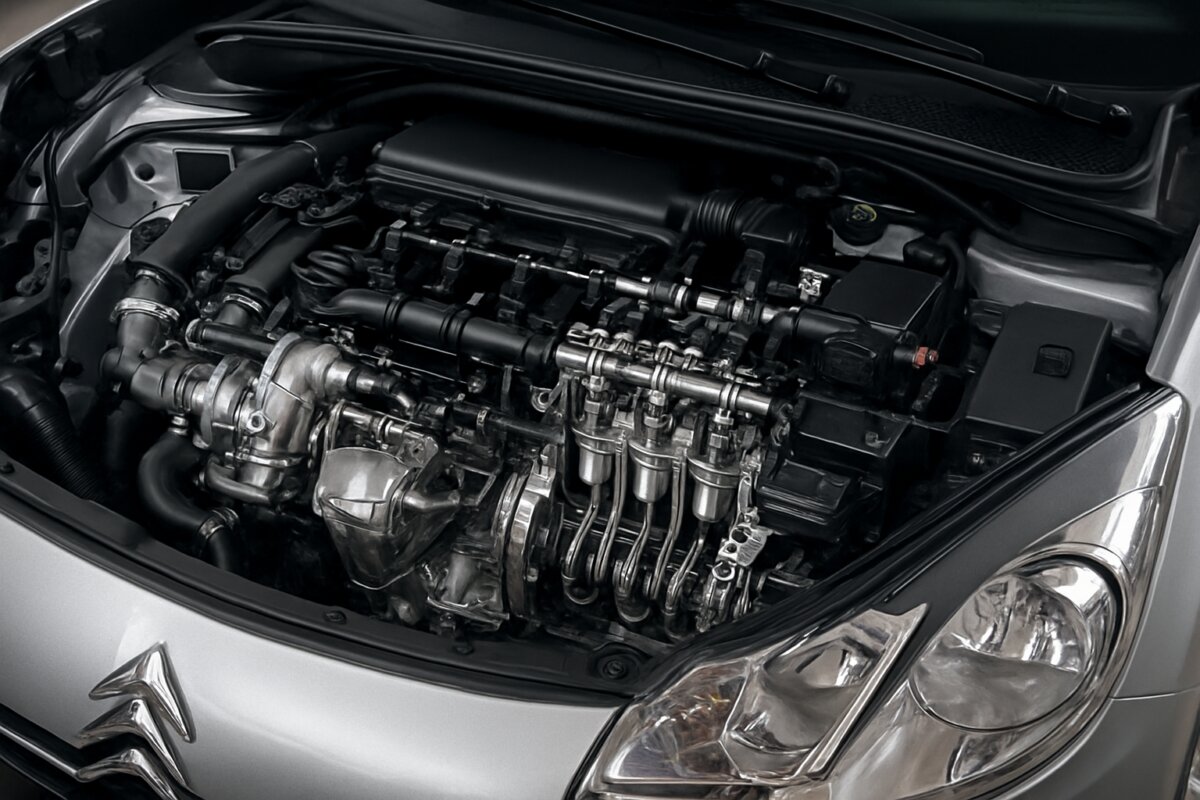
The Citroën DS3 stands as a premium supermini that redefined French automotive style when it launched. This distinctive hatchback targets buyers seeking both urban practicality and fashionable design. The engine selection proves crucial for the DS3’s character, offering everything from economical petrol units to turbocharged performance variants. Power outputs range from 82hp in base models to 207hp in hot hatch versions, with torque figures spanning 118-300 Nm across the lineup.
Comparison table of all engines
| Engine | Power output | Torque | Fuel consumption | Reliability |
|---|---|---|---|---|
| 1.2 VTi | 82hp | 118 Nm | 5.2L/100km | Excellent |
| 1.4 VTi | 95hp | 136 Nm | 5.8L/100km | Very Good |
| 1.6 VTi | 120hp | 160 Nm | 6.4L/100km | Good |
| 1.6 THP 155 | 156hp | 240 Nm | 6.9L/100km | Average |
| 1.6 THP 200 | 207hp | 300 Nm | 7.8L/100km | Below Average |
1.2 VTi engine overview
The 1.2 VTi represents the entry-level powerplant in the DS3 range. This naturally aspirated inline-four cylinder engine delivers modest performance whilst prioritising fuel economy. The unit features a conventional port fuel injection system and produces its peak power at higher RPM ranges.
This compact motor displaces 1,199cc and utilises a simple SOHC configuration with 8 valves. The naturally aspirated design means no forced induction complications, making it straightforward to maintain. Regular oil filter changes keep the engine running smoothly for years.
Pros
- Outstanding fuel efficiency for city driving
- Low maintenance requirements and costs
- Reliable long-term operation with proper servicing
- Affordable replacement parts availability
- Minimal complexity reduces breakdown risk
Cons
- Limited power for motorway overtaking
- Engine feels strained under heavy loads
- Lack of torque at low RPM
- Road noise intrusion at higher speeds
- Slow acceleration compared to turbocharged alternatives
1.6 THP 155 engine overview
The 1.6 THP 155 brings forced induction to the DS3 lineup through its turbocharged configuration. This inline-four cylinder engine produces significantly more power than naturally aspirated variants whilst maintaining reasonable fuel consumption. The turbocharger system requires careful attention to air filter condition for optimal performance.
With 1,598cc displacement, this DOHC 16-valve engine features direct petrol injection for enhanced efficiency. The turbocharger enables strong mid-range torque delivery, making overtaking manoeuvres more confident. However, the added complexity of forced induction requires more frequent inspection of related components.
Pros
- Strong acceleration across the rev range
- Good balance between performance and economy
- Responsive throttle thanks to turbocharging
- Adequate power for all driving situations
- Sporty engine note under acceleration
Cons
- Higher maintenance costs than naturally aspirated engines
- Turbocharger lag noticeable from standstill
- Requires premium fuel for best performance
- More complex engine management system
- Potential turbocharger wear in high-mileage examples
1.6 THP 200 engine overview
The flagship 1.6 THP 200 engine transforms the DS3 into a genuine hot hatch competitor. This heavily turbocharged inline-four delivers impressive performance figures that rival much larger engines. The sophisticated direct injection system works alongside variable valve timing to maximise both power and efficiency.
This 1,598cc powerplant features an uprated turbocharger system compared to the 155hp variant. The engine management system requires precise fuel filter condition to maintain optimal performance. High-performance applications demand more frequent servicing intervals to preserve reliability.
Pros
- Excellent power-to-weight ratio for thrilling acceleration
- Strong torque delivery from low RPM
- Capable of genuine sports car performance
- Sophisticated engine management for varied driving conditions
- Exciting exhaust note that matches the performance
Cons
- High fuel consumption under enthusiastic driving
- Complex turbocharger system prone to failures
- Expensive maintenance and repair costs
- Requires frequent oil changes to prevent engine damage
- Limited availability of specialist knowledge for repairs
Maintenance cost
| Engine | Recommended Interval | Estimated Cost | Cost per 10,000 miles |
|---|---|---|---|
| 1.2 VTi | 12,000 miles | £180 | £150 |
| 1.4 VTi | 12,000 miles | £220 | £183 |
| 1.6 VTi | 10,000 miles | £280 | £280 |
| 1.6 THP 155 | 8,000 miles | £320 | £400 |
| 1.6 THP 200 | 6,000 miles | £450 | £750 |
Maintenance costs escalate significantly with performance engines due to their complex systems. The turbocharger components require careful monitoring, whilst high-performance applications demand premium lubricants and more frequent servicing.
Our mechanics at Autopartspro recommend checking turbocharger oil feed lines every 20,000 miles on THP engines to prevent catastrophic failures that can cost thousands to repair.
Engine sound and character
Each DS3 engine delivers a distinct auditory experience that matches its performance character. The 1.2 VTi produces a gentle purr at idle, becoming more vocal under acceleration but never intrusive. This entry-level unit prioritises refinement over excitement, making it ideal for relaxed urban driving.
The naturally aspirated 1.6 VTi offers a more traditional petrol engine note with pleasant high-rev characteristics. When pushed hard, this engine rewards with a satisfying crescendo that encourages spirited driving without becoming harsh or unpleasant.
Turbocharged variants introduce forced induction whooshes and whistles that enhance the driving experience. The THP 155 provides subtle turbo sounds that complement its balanced character, whilst the THP 200 delivers aggressive pops and crackles on overrun that announce its hot hatch intentions.
According to our engine specialists, the DS3’s exhaust system design significantly influences engine character – upgrading the muffler can transform even modest engines into more engaging powerplants.
Who each engine is best for
| Engine | Best for | Driving Style | Budget Consideration |
|---|---|---|---|
| 1.2 VTi | Daily commuters | City driving, economy focus | Budget-conscious owners |
| 1.4 VTi | Balanced users | Mixed urban/rural driving | Moderate budget requirements |
| 1.6 VTi | Long-distance drivers | Motorway cruising, comfort | Standard maintenance costs |
| 1.6 THP 155 | Enthusiast drivers | Spirited but sensible driving | Higher maintenance tolerance |
| 1.6 THP 200 | Performance enthusiasts | Track days, aggressive driving | Premium maintenance budget |
Engine selection should align with intended usage patterns and maintenance expectations. The smaller naturally aspirated units excel in urban environments where their efficiency and reliability shine. Turbocharged variants suit drivers who prioritise performance over running costs, requiring dedication to proper servicing schedules.
Consider your typical journey types when choosing between engines. City dwellers benefit from smaller, efficient units, whilst rural drivers might appreciate the extra power of larger engines. The spark plug replacement intervals also vary between engines, affecting long-term maintenance planning.
Frequently asked questions (FAQ)
Which DS3 engine offers the best reliability?
The 1.2 VTi demonstrates exceptional reliability due to its simple naturally aspirated design with fewer complex components to fail over time.
How often should I change the timing belt on DS3 engines?
Most DS3 engines use timing chains rather than belts, requiring inspection every 60,000 miles but rarely needing replacement during normal ownership.
What causes turbocharger failure in THP engines?
Poor oil quality, extended service intervals, and inadequate warm-up periods commonly cause turbocharger damage in high-performance DS3 variants requiring careful maintenance.
Can I use regular unleaded fuel in turbocharged DS3 engines?
Whilst possible, turbocharged engines perform better and last longer with higher octane fuel that prevents knock and maximises power output safely.
What’s the typical lifespan of a well-maintained DS3 engine?
Properly serviced DS3 engines regularly exceed 150,000 miles, with naturally aspirated variants often reaching 200,000 miles with appropriate care and maintenance.

 Loading...