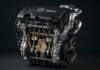
The BMW X1 has established itself as a popular compact SUV in the UK market, combining luxury with practicality. However, like any vehicle, the X1 experiences certain recurring issues that owners should be aware of. Understanding these common problems can help you maintain your vehicle properly and avoid costly repairs down the line.
Timing chain issues in petrol engines
One of the most serious problems affecting BMW X1 petrol engines, particularly the N20 and N46 units, involves timing chain stretch and tensioner failure. This issue typically manifests between 60,000 to 100,000 miles and can result in catastrophic engine damage if left unaddressed.
The timing chain system is crucial for synchronising the engine’s valves with piston movement. When the chain stretches or the tensioner fails, you’ll hear a distinctive rattling noise from the engine, especially during cold starts. The vehicle may also experience rough idling, reduced power, and in severe cases, complete engine failure.
Our mechanics at Autopartspro strongly recommend regular inspection of the timing chain system during routine servicing. Early detection can prevent extensive engine damage that could cost thousands to repair. If caught early, replacement of the timing chain, tensioner, and associated components typically costs between £1,200 to £2,500.
Turbocharger problems in diesel variants
BMW X1 diesel models, particularly those equipped with the N47 engine, frequently experience turbocharger-related issues. These problems often stem from carbon build-up in the intake system and oil supply issues to the turbocharger unit.
Symptoms include significant loss of power, excessive black smoke from the exhaust, and unusual whistling sounds during acceleration. The turbocharger may fail completely if the oil feed becomes blocked or if carbon deposits prevent proper operation of the variable geometry system.
Regular maintenance of the turbocharger system is essential for diesel X1 owners. This includes using high-quality engine oil, replacing the oil filter at recommended intervals, and allowing the engine to cool down properly after spirited driving. Turbocharger replacement can cost between £1,500 to £3,000, making preventive maintenance crucial.
Electronic parking brake malfunctions
The BMW X1’s electronic parking brake system has proven problematic across multiple model years. The system relies on electric motors and control modules that can fail, leaving drivers unable to engage or release the parking brake properly.
Common symptoms include warning messages on the dashboard, the brake failing to engage automatically on steep inclines, or becoming stuck in the engaged position. These issues often require specialist diagnostic equipment to identify the exact fault within the system.
The electronic parking brake system is complex and requires specific BMW diagnostic tools for proper troubleshooting. Simple issues like calibration problems can often be resolved through software updates, whilst motor or actuator failures typically require component replacement costing £400 to £800.
Excessive oil consumption
Many BMW X1 owners report unusually high oil consumption, particularly in vehicles with higher mileage. This issue affects both petrol and diesel variants and can lead to engine damage if oil levels drop too low between services.
The problem often stems from worn piston rings, valve stem seals, or turbocharger seals in diesel models. Some X1 owners report consumption rates of one litre per 1,000 miles, which far exceeds normal expectations for a modern engine.
Regular monitoring of engine oil levels is essential. Check the oil level weekly and top up as necessary with the correct specification oil. If consumption exceeds one litre per 1,500 miles, investigate further to prevent engine damage. Addressing worn seals early can prevent more expensive repairs later.
Warning signs your car has a problem
Recognising early warning signs can prevent minor issues from becoming major repairs:
- Unusual engine noises, particularly rattling during cold starts
- Reduced power or performance, especially under acceleration
- Dashboard warning lights, including engine management or brake system alerts
- Excessive exhaust smoke or unusual colours
- Rapid oil consumption requiring frequent top-ups
These symptoms often indicate developing problems that require prompt attention to prevent escalation.
How to fix the problems
| Problem | Solution | Typical Cost | Prevention |
|---|---|---|---|
| Timing chain stretch | Replace chain, tensioner, and guides | £1,200-£2,500 | Regular oil changes, quality oil |
| Turbocharger failure | Rebuild or replace turbocharger | £1,500-£3,000 | Proper warm-up and cool-down |
| Electronic brake fault | Software update or actuator replacement | £400-£800 | Regular diagnostic checks |
| High oil consumption | Replace seals, rings, or turbo seals | £800-£2,000 | Quality oil, regular level checks |
Professional tip: Always use BMW-approved engine oil and maintain strict service intervals. This single practice can prevent 80% of the common problems we see in BMW X1 vehicles at our workshop.
When to see a mechanic
Certain symptoms require immediate professional attention to prevent serious damage. Visit a qualified mechanic immediately if you experience engine rattling noises, complete loss of power, persistent warning lights, or any brake system malfunctions.
For routine maintenance and prevention, schedule inspections every 6 months or as recommended in your service schedule. Early detection through professional diagnostics can save thousands in repair costs.
Don’t ignore minor symptoms hoping they’ll resolve themselves. BMW X1 problems typically worsen rapidly once they begin, making early intervention crucial for cost-effective repairs.
Expert advice: Invest in an OBD2 diagnostic tool for your BMW X1. Modern vehicles store fault codes that can indicate developing problems before they become serious failures.
For comprehensive guidance on car maintenance, our specialists recommend following manufacturer service schedules strictly and addressing issues promptly.
Frequently asked questions (FAQ)
What are the most common BMW X1 engine problems?
Timing chain stretch in petrol engines and turbocharger failures in diesel variants are the most frequent issues.
How often should I check my BMW X1’s oil level?
Check oil levels weekly, as BMW X1s can consume oil rapidly, particularly higher-mileage vehicles.
Is high oil consumption normal in BMW X1?
Consumption exceeding one litre per 1,500 miles indicates potential seal or ring wear requiring investigation.
Can I fix electronic parking brake issues myself?
Electronic brake problems require specialist BMW diagnostic equipment and should be addressed by qualified technicians.
When should I replace my BMW X1’s timing chain?
Replace timing chains showing stretch or tensioner wear, typically between 60,000-100,000 miles on affected engines.
Final recommendation
The BMW X1 remains a capable and enjoyable compact SUV despite these known issues. Success with X1 ownership depends largely on proactive maintenance and addressing problems early. Regular servicing with quality parts, particularly oil filters and fluids, significantly reduces the likelihood of major problems.
Our experience at Autopartspro shows that X1 owners who maintain strict service schedules and use genuine or OEM-equivalent parts enjoy reliable service from their vehicles. The key is not avoiding these models but understanding their needs and maintaining them appropriately. When problems do arise, address them promptly with quality components to ensure long-term reliability and preserve your investment.
For those considering purchasing a used BMW X1, have a pre-purchase inspection performed focusing on the timing chain system, turbocharger condition, and electronic systems. This small investment can save thousands in future repairs.

 Loading...