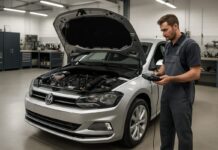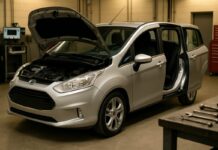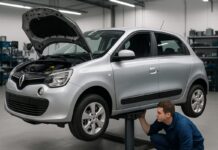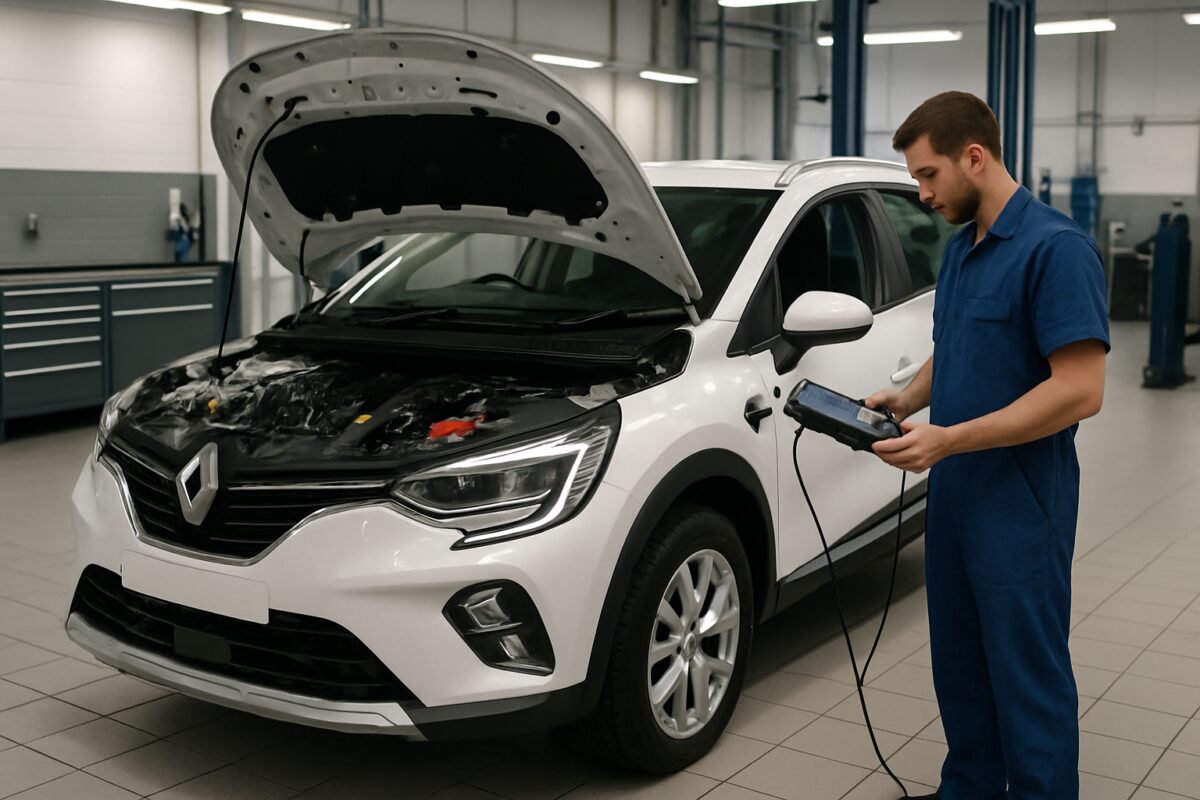
The Renault Captur has become a popular choice among UK drivers seeking a compact crossover with French flair. However, like any vehicle, it faces specific mechanical challenges that owners should understand. This comprehensive guide explores the most common issues affecting the Captur, helping you identify problems early and maintain your vehicle properly.
Automatic gearbox malfunctions
The Renault Captur’s automatic transmission system, particularly the CVT (Continuously Variable Transmission) and EDC (Efficient Dual Clutch) units, presents several documented issues. Our mechanics at AutoPartsPro frequently encounter these problems in vehicles between 2013-2019.
The CVT gearbox often develops hesitation during acceleration, creating a rubber-band effect where the engine revs without corresponding speed increase. This occurs due to belt wear within the transmission assembly. Additionally, the transmission fluid overheating becomes problematic in stop-start traffic conditions.
EDC dual-clutch systems suffer from clutch actuator failures, causing jerky gear changes and complete transmission lockouts. The mechatronic control unit frequently requires replacement after 60,000 miles. Warning signs include grinding noises during gear selection and transmission filter contamination.
Renault issued several technical service bulletins addressing these concerns, but many affected vehicles require significant repair investment. The transmission control module software updates help some cases, though mechanical component replacement remains necessary for severe instances.
Battery and electrical system failures
Electrical problems plague many Renault Captur models, with the battery system being particularly vulnerable. The standard 12-volt battery frequently fails prematurely due to parasitic drain issues within the vehicle’s electrical architecture.
The stop-start system places additional stress on the battery, causing capacity loss after approximately 3-4 years of use. Many owners report complete electrical failures during cold weather conditions, requiring jump-start assistance or replacement batteries.
Charging system problems stem from faulty alternators and voltage regulators. The charging rate becomes inconsistent, leading to battery depletion even during normal driving conditions. Dashboard warning lights illuminate intermittently, indicating charging system malfunctions.
Body control module failures create multiple electrical gremlins throughout the vehicle. Central locking systems malfunction, window operations become erratic, and interior lighting circuits develop faults. These issues require diagnostic expertise to isolate the root causes effectively.
Engine cooling system defects
Cooling system problems affect numerous Captur engines, particularly the 1.2 TCe and 1.5 dCi units. The plastic coolant expansion tank develops stress cracks, causing coolant leaks and potential engine overheating situations.
Water pump failures occur prematurely in many vehicles, creating circulation problems within the cooling circuit. The timing belt-driven water pumps require replacement alongside belt services, increasing maintenance costs significantly.
Radiator fan motor failures leave engines vulnerable to overheating in traffic conditions. The fan control modules also malfunction, preventing proper temperature regulation during low-speed operation. Coolant temperature sensors provide inaccurate readings, complicating diagnosis procedures.
Thermostat housing leaks develop around the 50,000-mile mark, requiring complete assembly replacement. The aluminium housing corrodes internally, affecting coolant flow and temperature control accuracy.
Suspension and steering complications
The Captur’s suspension system experiences several common wear patterns that affect ride quality and handling characteristics. Front strut bearing failures create knocking noises during steering input, particularly over uneven road surfaces.
Shock absorber degradation occurs earlier than expected, causing bouncing and poor road holding. The rear torsion beam bushings deteriorate rapidly, creating lateral movement during cornering manoeuvres.
Steering rack problems manifest as heavy steering feel and uneven tyre wear patterns. The electric power steering system develops intermittent faults, causing sudden assistance loss during operation. Tie rod ends wear prematurely due to inadequate lubrication sealing.
Anti-roll bar link failures create clunking sounds over bumps and reduced stability during cornering. The mounting bushings require frequent replacement to maintain proper suspension geometry and vehicle control.
Warning signs your car has a problem
Recognising early symptoms helps prevent costly repairs and maintains vehicle safety. These warning signs indicate potential issues requiring immediate attention:
- Transmission slipping or jerky gear changes during acceleration
- Dashboard warning lights remaining illuminated after engine start
- Unusual noises from engine bay or suspension components
- Poor fuel economy or reduced engine performance
- Electrical accessories operating intermittently or failing completely
Temperature gauge fluctuations suggest cooling system problems requiring prompt investigation. Battery warning lights indicate charging system malfunctions that could leave you stranded.
How to fix the problems
| Problem | Solution | Estimated Cost | Difficulty Level |
|---|---|---|---|
| CVT Transmission Issues | Transmission rebuild or replacement | £2,500-4,000 | Professional Required |
| Battery Drain | Battery replacement and electrical diagnosis | £100-300 | Moderate DIY |
| Cooling System Leaks | Component replacement and system flush | £150-500 | Intermediate DIY |
| Suspension Noise | Strut bearing or bushing replacement | £200-600 | Professional Recommended |
“Regular maintenance intervals help identify problems before they become expensive repairs. Check fluid levels monthly and listen for unusual noises during operation,” advises our senior technician at AutoPartsPro.
Preventive measures include using quality replacement parts and following manufacturer service schedules. Regular oil changes protect internal engine components from premature wear.
| Maintenance Item | Service Interval | Typical Cost | DIY Possibility |
|---|---|---|---|
| Engine Oil Change | 12,000 miles/12 months | £40-80 | Yes |
| Brake Fluid Replacement | 24,000 miles/2 years | £60-120 | Intermediate |
| Coolant System Service | 36,000 miles/3 years | £80-150 | No |
| Transmission Service | 60,000 miles/4 years | £200-400 | No |
“Quality replacement parts significantly extend component lifespan. Avoid cheap alternatives that could cause additional problems down the road,” recommends our parts specialist team.
When to see a mechanic
Professional diagnosis becomes essential when multiple systems show symptoms simultaneously. Complex electrical faults require specialised diagnostic equipment beyond typical DIY capabilities.
Transmission problems demand immediate professional attention to prevent catastrophic failure. Attempting DIY repairs on automatic gearboxes often worsens existing damage and increases repair costs substantially.
Safety-critical systems including brakes, steering, and suspension require professional servicing. Brake system maintenance should never be compromised due to potential accident risks.
Engine overheating situations need immediate mechanical attention to prevent cylinder head damage. Continuing to drive with cooling system failures creates expensive internal engine problems.
Frequently asked questions
What causes Renault Captur automatic gearbox problems?
CVT belt wear, clutch actuator failures, and transmission fluid overheating cause most automatic gearbox issues in Captur models.
How long do Renault Captur batteries typically last?
Standard batteries last 3-4 years, though stop-start systems and parasitic drain issues often reduce this lifespan significantly.
Are Renault Captur engine problems expensive to fix?
Engine repairs vary widely, with cooling system fixes costing £150-500 and major engine work reaching £2,000-5,000.
Can I prevent Renault Captur transmission failures?
Regular transmission servicing, avoiding aggressive driving, and prompt attention to warning signs help prevent major transmission failures.
What mileage do Renault Captur problems typically appear?
Most issues surface between 40,000-80,000 miles, though some electrical problems occur much earlier in ownership.
Final recommendation
The Renault Captur offers attractive styling and practical features, but potential buyers should budget for higher maintenance costs. Known issues with automatic transmissions, electrical systems, and cooling components require proactive attention. Used car buyers should prioritise vehicles with complete service histories and recent major component replacements.
Current owners benefit from establishing relationships with knowledgeable mechanics experienced in Renault systems. Regular maintenance using quality parts helps maximise reliability and extends component life. Consider extended warranty coverage for high-mileage vehicles, particularly covering transmission and electrical systems. Despite these challenges, proper care and prompt attention to issues can provide years of satisfactory ownership experience.
For replacement parts and expert advice, AutoPartsPro stocks comprehensive Renault components backed by our technical support team’s extensive knowledge.

 Loading...