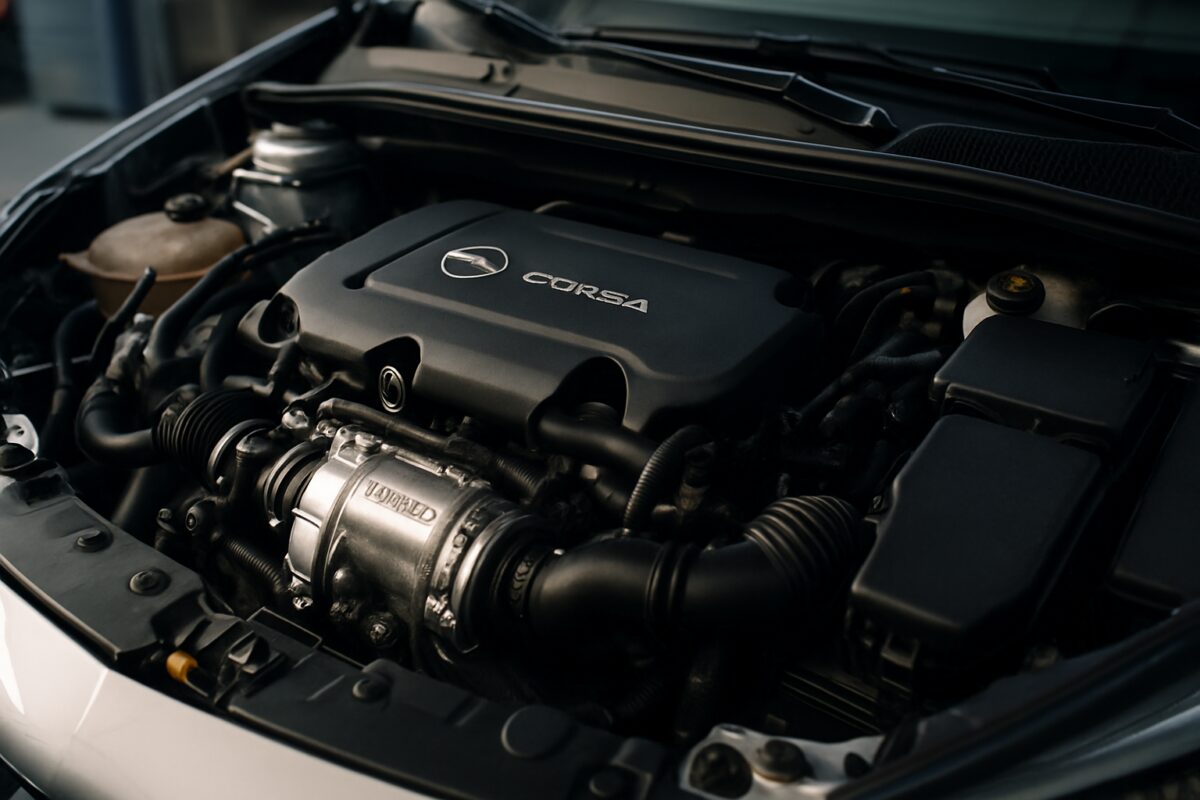
The Opel Corsa stands as one of Europe’s most popular supermini cars, competing directly with the Ford Fiesta and Volkswagen Polo. The engine selection plays a crucial role in determining the vehicle’s appeal to different buyer segments, from young drivers seeking economy to enthusiasts wanting spirited performance. Available powertrains include naturally aspirated petrol engines ranging from 1.0-litre three-cylinders producing 75hp to turbocharged 1.4-litre units delivering up to 150hp, plus efficient diesel options offering exceptional fuel economy for long-distance commuters.
Comparison table of all engines
| Engine | Power output | Torque | Fuel consumption | Reliability |
|---|---|---|---|---|
| 1.0 3-cylinder NA | 75hp | 95 Nm | 5.2 L/100km | Very Good |
| 1.2 4-cylinder NA | 85hp | 118 Nm | 5.8 L/100km | Excellent |
| 1.0 Turbo | 115hp | 166 Nm | 4.9 L/100km | Good |
| 1.4 Turbo | 150hp | 220 Nm | 6.1 L/100km | Fair |
| 1.3 CDTI Diesel | 95hp | 200 Nm | 3.8 L/100km | Good |
Engine 1.0 three-cylinder naturally aspirated overview
This entry-level powerplant represents Opel’s commitment to affordable motoring. The 1.0-litre three-cylinder naturally aspirated engine features a compact aluminium construction with direct injection technology. It operates on standard unleaded petrol with multi-point fuel injection, delivering adequate performance for city driving whilst maintaining impressive fuel efficiency that appeals to budget-conscious motorists.
Pros
- Exceptional fuel economy for urban commuting
- Low purchase and insurance costs
- Minimal maintenance requirements
- Proven reliability record
- Low emissions for reduced road tax
Cons
- Limited power for motorway overtaking
- Three-cylinder vibration at idle
- Struggles with full passenger load
- Basic equipment specification
Engine 1.2 four-cylinder naturally aspirated overview
The 1.2-litre four-cylinder naturally aspirated engine offers a sweet spot between economy and performance. This aluminium block unit features variable valve timing and operates on standard unleaded petrol with sequential multi-point fuel injection. The four-cylinder configuration provides smoother operation compared to three-cylinder alternatives whilst maintaining reasonable running costs for daily driving scenarios.
Pros
- Smooth four-cylinder operation
- Balanced performance and economy
- Proven long-term durability
- Easy maintenance access
- Wide parts availability
Cons
- Higher fuel consumption than three-cylinder
- Limited performance for enthusiastic driving
- Basic power delivery characteristics
Engine 1.0 turbo overview
The 1.0-litre turbocharged three-cylinder engine represents modern downsizing technology at its finest. This aluminium construction powerplant features direct injection, variable valve timing, and a small turbocharger to deliver impressive performance from minimal displacement. Operating on premium unleaded fuel with high-pressure direct injection, it provides an excellent balance of power and efficiency that suits both city and motorway driving conditions.
Pros
- Strong low-end torque delivery
- Excellent fuel economy despite performance
- Modern technology features
- Responsive acceleration in urban traffic
- Lower emissions than larger engines
Cons
- Turbo lag at very low speeds
- Premium fuel requirement increases costs
- Complex technology may increase maintenance
- Three-cylinder characteristic vibration
Engine 1.4 turbo overview
The range-topping 1.4-litre turbocharged four-cylinder engine delivers genuine hot hatch performance. This sophisticated powerplant combines aluminium construction with advanced turbocharging technology, variable valve timing, and high-pressure direct injection. Operating exclusively on premium unleaded petrol, it transforms the humble Corsa into a proper performance car capable of challenging established rivals in the segment.
Pros
- Impressive power output for the class
- Strong mid-range performance
- Four-cylinder smoothness
- Proper hot hatch credentials
- Advanced engine management systems
Cons
- High fuel consumption under spirited driving
- Premium fuel requirement mandatory
- Complex turbo system maintenance
- Higher insurance and running costs
Engine 1.3 CDTI diesel overview
The 1.3-litre CDTI diesel engine provides exceptional fuel economy for high-mileage drivers. This aluminium block unit features common rail direct injection technology with a variable geometry turbocharger. Operating on standard diesel fuel with advanced injection timing control, it delivers strong torque characteristics particularly suited to motorway cruising and long-distance commuting whilst maintaining impressive efficiency figures.
Pros
- Outstanding fuel economy potential
- Strong torque output for effortless cruising
- Excellent for long-distance driving
- Lower CO2 emissions than petrol engines
- Proven diesel technology reliability
Cons
- Diesel particulate filter maintenance issues
- Not suitable for short urban trips
- Higher initial purchase cost
- Diesel fuel price fluctuations
- Potential AdBlue system requirements
Maintenance cost
| Engine | Recommended Interval | Estimated Cost | Cost per 10000 miles |
|---|---|---|---|
| 1.0 3-cylinder NA | 12 months/12,000 miles | £180-220 | £150-185 |
| 1.2 4-cylinder NA | 12 months/12,000 miles | £200-240 | £165-200 |
| 1.0 Turbo | 12 months/10,000 miles | £250-300 | £250-300 |
| 1.4 Turbo | 12 months/10,000 miles | £320-380 | £320-380 |
| 1.3 CDTI Diesel | 12 months/15,000 miles | £280-350 | £185-235 |
Regular maintenance becomes more complex with turbocharged engines requiring oil filters and premium lubricants. Our AutoPartsPro specialists recommend using manufacturer-approved parts to maintain warranty coverage and optimal performance. The diesel engine requires additional attention to its particulate filter system, particularly for vehicles primarily used in urban environments.
Professional tip: Turbocharged engines require proper cool-down periods after spirited driving to prevent oil coking in the turbocharger bearings, extending component life significantly.
Engine sound and character
Each Corsa engine delivers distinct acoustic characteristics that reflect its intended purpose. The 1.0-litre three-cylinder produces a distinctive thrum with slight vibration at idle, becoming smoother under load. The 1.2-litre four-cylinder offers refined operation with minimal noise intrusion into the cabin.
Turbocharged variants provide more engaging soundtracks. The 1.0 turbo delivers subtle whistle from the turbocharger with crisp throttle response, whilst the 1.4 turbo produces a more aggressive note under acceleration. The diesel engine maintains characteristic compression ignition clatter at idle but becomes remarkably quiet during cruising speeds.
Modern engine mounts help isolate cabin noise, though the three-cylinder units display more vibration through the steering wheel and pedals compared to four-cylinder alternatives.
Expert advice: Regular inspection of engine mounts prevents excessive vibration that can affect long-term durability of interior components and driving comfort.
Who each engine is best for
| User Type | Best Engine Choice | Primary Reasons |
|---|---|---|
| Daily commuters | 1.0 Turbo | Balance of performance and economy |
| Performance enthusiasts | 1.4 Turbo | Genuine hot hatch capabilities |
| Long-distance drivers | 1.3 CDTI Diesel | Superior fuel economy and torque |
| Budget-conscious owners | 1.0 3-cylinder NA | Lowest running and maintenance costs |
| City dwellers | 1.2 4-cylinder NA | Smooth operation and reliability |
Young drivers often gravitate towards the naturally aspirated engines for lower insurance premiums and running costs. Fleet buyers typically choose diesel variants for their exceptional fuel economy, whilst private buyers seeking weekend entertainment opt for turbocharged petrol engines. Proper maintenance schedules become critical for turbocharged variants to ensure longevity and preserve warranty coverage.
Understanding your driving patterns helps determine the optimal engine choice. Urban drivers covering less than 10,000 miles annually should avoid diesel engines due to DPF regeneration issues. Motorway commuters benefit from diesel torque and efficiency, whilst mixed driving suits turbocharged petrol engines perfectly.
Frequently asked questions (FAQ)
Which Corsa engine offers the best fuel economy?
The 1.3 CDTI diesel engine delivers the best fuel economy, achieving up to 65mpg combined cycle with careful driving techniques and regular motorway use.
Are turbocharged Corsa engines reliable long-term?
Modern turbocharged engines prove reliable with proper maintenance including quality engine oil and regular servicing intervals, though complexity increases potential failure points compared to naturally aspirated units.
Should I choose three-cylinder or four-cylinder engine?
Four-cylinder engines offer smoother operation and refinement, whilst three-cylinder units provide better fuel economy and lower emissions for environmentally conscious drivers seeking maximum efficiency.
What maintenance issues affect Corsa diesel engines?
Diesel engines require regular motorway driving to regenerate the particulate filter system. Short urban journeys can cause DPF blockages requiring expensive professional cleaning or replacement procedures.
Can I use standard petrol in turbocharged Corsa engines?
The 1.0 turbo accepts standard unleaded fuel, whilst the 1.4 turbo requires premium unleaded for optimal performance and to prevent knock damage to internal components.
Our OEM parts specialists at AutoPartsPro recommend genuine components for critical engine systems. Regular maintenance with quality parts ensures your Corsa engine delivers reliable service throughout its operational life. Whether you choose efficiency-focused naturally aspirated engines or performance-oriented turbocharged variants, proper care and genuine replacement parts from AutoPartsPro guarantee optimal performance and longevity for your investment.

 Loading...