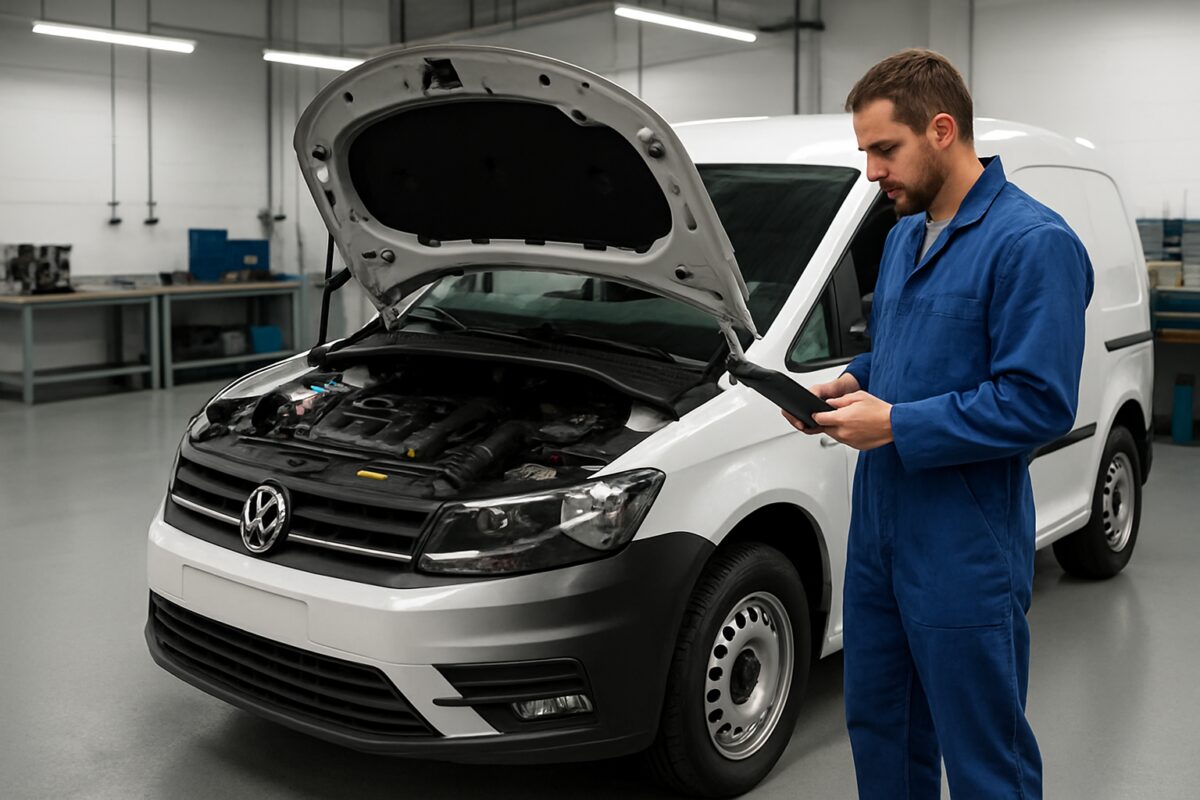
The Volkswagen Caddy has earned a solid reputation as a versatile commercial vehicle and family transporter. However, like many modern vehicles, the VW Caddy experiences specific recurring issues that owners should be aware of. From engine troubles to electrical faults, understanding these common problems can help you maintain your vehicle properly and avoid costly repairs.
Engine management system failures
One of the most frequent issues affecting VW Caddy models, particularly those with TDI engines, involves control units malfunctioning. The engine control unit (ECU) can develop software glitches or hardware failures that trigger warning lights and reduce engine performance.
These problems often manifest as erratic idling, power loss during acceleration, or complete engine shutdown in severe cases. The diesel particulate filter (DPF) system is another culprit, becoming clogged due to frequent short journeys. When the DPF cannot complete its regeneration cycle, it affects engine operation and fuel economy.
Temperature fluctuations can also damage sensors throughout the engine bay. Mass air flow sensors and oxygen sensors are particularly vulnerable, leading to incorrect fuel mixture calculations and poor performance. Regular diagnostic checks can identify these issues before they cause significant damage.
Professional tip: Always allow your diesel Caddy to complete longer journeys occasionally to ensure proper DPF regeneration and prevent costly blockages.
Transmission and clutch problems
Manual transmission Caddy models frequently experience clutch wear, especially in commercial applications with heavy loads. The clutch plate and pressure plate wear prematurely when subjected to constant stop-start driving or improper clutch technique.
DSG automatic transmissions, whilst smooth when functioning correctly, can develop mechatronic unit failures. These electronic control modules manage gear changes and can cause harsh shifting, gear slippage, or complete transmission failure. The cost of replacement often exceeds £3,000, making it one of the most expensive Caddy repairs.
Clutch master cylinders also fail frequently, particularly in older models. This hydraulic component can leak brake fluid, causing the clutch pedal to feel spongy or drop to the floor without engaging the clutch. Early detection through regular fluid level checks can prevent being stranded.
AutoPartsPro’s mechanics recommend checking clutch fluid levels monthly and replacing the entire clutch kit rather than individual components to ensure reliability.
Electrical system malfunctions
Modern VW Caddy models contain numerous electronic systems that can develop faults. Central locking systems frequently malfunction, with door actuators failing to respond to remote commands. These issues often stem from worn door lock mechanisms or faulty wiring harnesses.
Dashboard warning lights appearing intermittently indicate potential electrical gremlins. Battery drain problems are common when vehicles sit unused for extended periods. The alternator may struggle to maintain proper charging voltage, particularly in stop-start traffic conditions.
Window mechanisms also prove problematic, with electric window motors burning out or window regulators breaking. The rear tailgate central locking frequently fails, leaving owners unable to access the cargo area securely.
Suspension and steering issues
Front suspension components wear quickly on VW Caddy models, particularly shock absorbers and springs. The commercial nature of many Caddy applications means suspension systems endure constant loading and unloading cycles.
Steering rack problems manifest as heavy steering, wandering at motorway speeds, or knocking noises when turning. Power steering pumps can fail, leaving drivers struggling with manual steering effort. Ball joints and tie rod ends wear prematurely, causing irregular tyre wear patterns and MOT failures.
The anti-roll bar links frequently break, creating clunking noises over bumps and reducing handling stability. These relatively inexpensive components can cause significant safety concerns if left unrepaired.
Warning signs your car has a problem
Recognising early warning signs can prevent minor issues becoming major repairs. Watch for these common indicators that your VW Caddy needs attention:
- Dashboard warning lights remaining illuminated after starting
- Unusual noises during operation, particularly grinding or knocking sounds
- Changes in handling characteristics or steering feel
- Reduced fuel economy or power output
- Fluid leaks beneath the vehicle after parking
How to fix the problems
| Problem Type | DIY Difficulty | Estimated Cost | Time Required |
|---|---|---|---|
| Engine sensor replacement | Medium | £50-200 | 1-2 hours |
| Clutch replacement | Hard | £400-800 | 4-6 hours |
| Suspension component replacement | Medium-Hard | £100-300 | 2-3 hours |
| Electrical diagnosis | Hard | £80-150 | 1-2 hours |
| DPF cleaning | Easy-Medium | £150-300 | 2-3 hours |
Many VW Caddy problems can be addressed with proper maintenance and quality replacement parts. Regular servicing helps identify issues before they become costly failures.
| Maintenance Item | Frequency | Importance | Cost Range |
|---|---|---|---|
| Engine oil and oil filter | Every 10,000 miles | Critical | £40-80 |
| DPF regeneration cycle | Monthly | High | Free (driving) |
| Clutch adjustment | Every 20,000 miles | Medium | £50-100 |
| Suspension inspection | Every 12 months | High | £30-60 |
| Electrical system check | Every 24 months | Medium | £60-120 |
When to see a mechanic
Certain VW Caddy problems require professional diagnosis and repair. Don’t attempt DIY repairs when you notice complete electrical system failures, as modern vehicles contain complex computer networks that need specialist equipment to diagnose properly.
Transmission problems, particularly with DSG units, require manufacturer-specific diagnostic tools and software updates. Attempting home repairs on these systems often creates additional damage and voids warranties.
If you experience sudden power loss, steering difficulties, or brake problems, stop driving immediately and seek professional help. These safety-critical systems shouldn’t be compromised through inexperienced repair attempts.
Engine management faults often require code reading equipment and technical knowledge to identify root causes. Many problems share similar symptoms, making accurate diagnosis essential for cost-effective repairs.
Frequently asked questions (FAQ)
What are the most common VW Caddy engine problems?
DPF blockages, ECU failures, and sensor malfunctions are the most frequent issues affecting Caddy engines.
How much does VW Caddy clutch replacement cost?
Complete clutch replacement typically costs £400-800 depending on model year and labour rates.
Why does my Caddy’s DSG transmission jerk?
Jerky DSG operation usually indicates mechatronic unit failure or software requiring updates.
How can I prevent DPF problems in my Caddy?
Regular motorway driving and avoiding excessive short journeys helps maintain proper DPF function.
Are VW Caddy electrical problems expensive to fix?
Basic electrical faults cost £50-150 to repair, but complex system failures can exceed £500.
Final recommendation
The VW Caddy remains a capable and versatile vehicle despite these known issues. Regular maintenance, quality parts, and prompt attention to warning signs can significantly extend your vehicle’s lifespan. Focus on preventive care rather than reactive repairs.
When problems do arise, using OEM quality parts ensures proper fit and longevity. Cheaper alternatives often fail prematurely, creating false economy. Consider your Caddy’s usage pattern when planning maintenance schedules.
For commercial users, establishing relationships with reliable mechanics who understand commercial vehicle requirements proves invaluable. Document all maintenance and repairs to maintain resale value and warranty coverage. Remember that early intervention typically costs significantly less than emergency repairs.

 Loading...