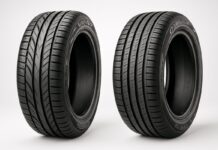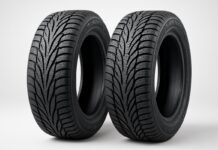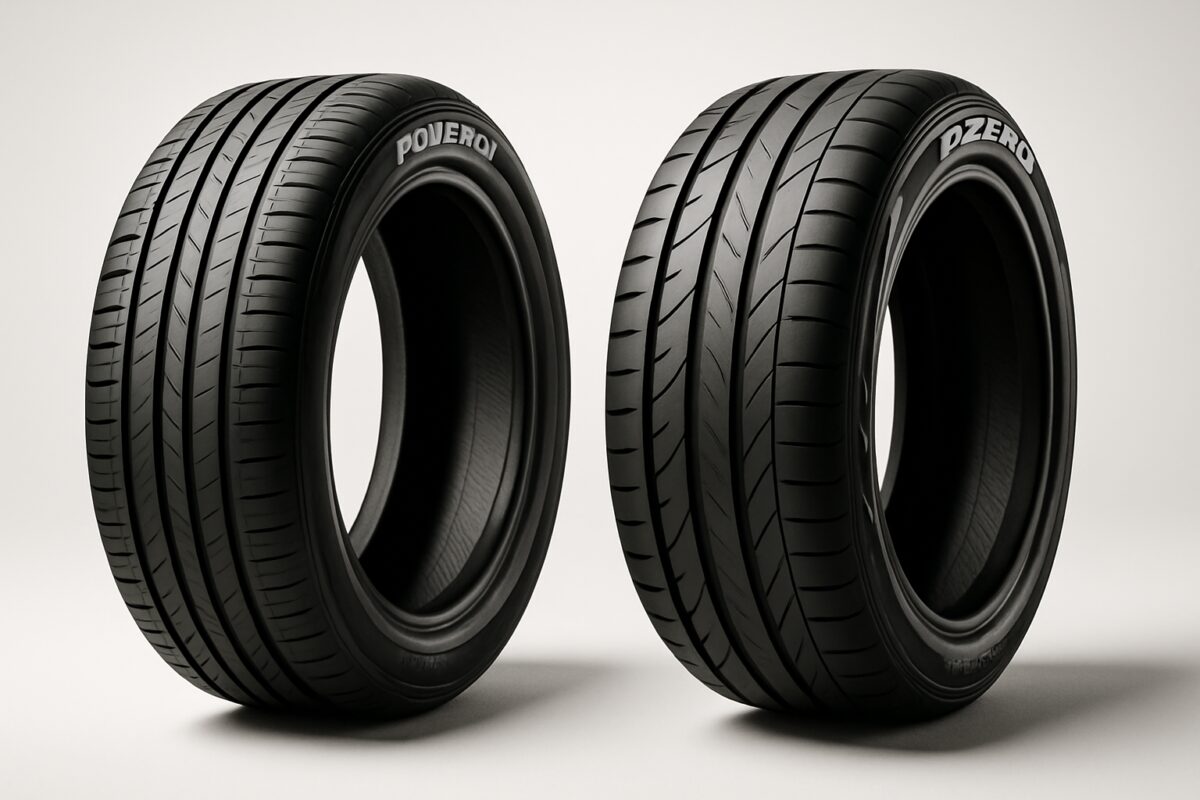
The Pirelli Powergy is designed for everyday drivers seeking comfort and longevity, whilst the P Zero targets performance enthusiasts who prioritise handling and grip. The Powergy offers superior wet weather performance and fuel efficiency, making it ideal for UK road conditions and daily commuting. Conversely, the P Zero delivers exceptional dry grip and precise steering response, perfect for sporty driving and high-performance vehicles. Price-wise, the Powergy costs approximately £80-120 per tyre, whilst the P Zero ranges from £120-200 per tyre.
Quick comparison table
| Feature | Pirelli Powergy | Pirelli P Zero |
|---|---|---|
| Price range | £80-120 | £120-200 |
| Durability | Excellent (60,000+ miles) | Good (40,000 miles) |
| Performance | Balanced comfort | High-performance grip |
| Noise level | Very quiet | Moderate |
| Maintenance | Low | Regular pressure checks |
| Best use case | Daily driving | Sports cars |
Both tyres represent Pirelli’s commitment to quality, but serve distinctly different purposes in the UK market.
Product #1 overview – Pirelli Powergy
The Pirelli Powergy utilises advanced silica compounds and an asymmetric tread pattern to deliver exceptional wet weather performance. This touring tyre features a twin steel belt construction with polyamide reinforcement, ensuring structural integrity during extended motorway cruising.
Materials include high-grade silica compounds that maintain flexibility in cold British weather, coupled with a durable rubber compound designed for longevity. The tyre’s internal structure incorporates twin steel belts and a single-ply polyester carcass for optimal comfort.
Typical pricing ranges from £80-120 per tyre, depending on size and retailer. Common sizes like 225/45R17 cost approximately £95, whilst larger dimensions command higher prices.
Pros:
- Excellent wet weather grip and braking performance
- Low rolling resistance improves fuel economy
- Very quiet operation reduces cabin noise
- Long-lasting tread compound
- Comfortable ride quality
Cons:
- Limited performance in sporty driving situations
- Softer sidewalls reduce steering precision
- Not suitable for track use
Ideal drivers include daily commuters, family car owners, and those prioritising comfort over performance. The Powergy suits vehicles like the Ford Focus, Volkswagen Golf, or Vauxhall Astra perfectly.
Product #2 overview – Pirelli P Zero
The P Zero employs a high-performance compound featuring carbon black and silica blend for maximum dry grip. Its directional tread pattern channels water effectively whilst maintaining contact patch integrity during aggressive cornering.
Construction includes twin steel belts with spirally wound nylon cap plies, providing stability at high speeds. The sidewall utilises reinforced construction to resist deformation under cornering loads.
Materials comprise a performance-oriented rubber compound with enhanced grip characteristics. The internal structure features multiple steel belt layers and reinforced bead construction for precise handling response.
Pricing typically ranges from £120-200 per tyre, with popular sizes like 225/40R18 costing around £150. Premium sizes for luxury vehicles command higher prices, reflecting the tyre’s performance orientation.
Pros:
- Exceptional dry grip and cornering performance
- Precise steering response and handling feedback
- High-speed stability and safety
- Excellent braking performance in dry conditions
- Sporty appearance with aggressive tread design
Cons:
- Higher price point than touring tyres
- Shorter tread life compared to comfort-oriented tyres
- Increased road noise
- Firmer ride quality
- Performance compromised in wet conditions
Perfect for sports car owners, performance vehicle enthusiasts, and drivers who regularly use track days. The P Zero excels on vehicles like BMW M3, Porsche 911, or Mercedes-AMG models.
According to AutoPartsPro’s tyre specialists, choosing between these Pirelli options depends entirely on your driving priorities – comfort versus performance defines the decision.
Compatibility
The Pirelli Powergy covers sizes from 15-20 inches, fitting most mainstream vehicles including hatchbacks, saloons, and SUVs. Popular fitments include 205/55R16 for Ford Focus, 225/45R17 for Volkswagen Golf, and 235/55R18 for Nissan Qashqai.
Vehicle compatibility extends across European, Japanese, and Korean manufacturers. The Powergy suits vehicles manufactured from 2010 onwards, offering excellent OEM replacement capabilities.
The P Zero spans 17-22 inch sizes, designed for performance and luxury vehicles. Common applications include 245/40R18 for BMW 3 Series, 255/35R19 for Audi A4, and larger dimensions for premium SUVs.
Model year considerations show the P Zero best suits vehicles from 2015 onwards, particularly those with performance-oriented suspension systems. Shock absorbers and suspension components should match the tyre’s performance characteristics.
OEM specifications require careful attention to load ratings and speed indices. The Powergy typically carries H or V speed ratings, whilst the P Zero often features W or Y ratings for higher performance applications.
Installation considerations include wheel alignment checks and brake pad compatibility. Performance tyres like the P Zero may require more frequent alignment checks due to their stiffer construction.
Our fitting specialists recommend checking your vehicle’s handbook for original equipment specifications before selecting either tyre option.
Final verdict
Choose the Pirelli Powergy for daily driving, family transport, and comfort-focused motoring. This tyre excels in British weather conditions, offering excellent wet grip and long-term value. Its quiet operation and fuel-efficient design make it perfect for commuting and long-distance touring.
Select the P Zero for performance driving, sports cars, and vehicles where handling precision matters most. Despite higher costs and shorter lifespan, the P Zero delivers unmatched dry grip and steering response for enthusiastic drivers.
Budget-conscious buyers should opt for the Powergy, whilst performance enthusiasts will appreciate the P Zero’s capabilities. Consider your typical driving conditions, vehicle type, and personal priorities when making the final decision.
For mixed driving requirements, the Powergy offers better all-round versatility. However, if your vehicle’s performance potential demands maximum grip, the P Zero remains the superior choice despite its premium price.
Which tyre offers better value for money?
The Pirelli Powergy provides superior value through longer tread life, lower purchase price, and reduced fuel consumption, making it more economical for typical UK driving.
Can I mix Powergy and P Zero tyres on the same vehicle?
Mixing different tyre models compromises handling balance and safety. Always fit identical tyres to maintain proper vehicle dynamics and stability during driving.
How do these tyres perform in winter conditions?
Both tyres struggle below 7°C compared to dedicated winter tyres. The Powergy performs better in cold wet conditions, whilst the P Zero becomes less effective.
What’s the expected lifespan difference between these models?
The Powergy typically lasts 60,000+ miles with proper maintenance, whilst the P Zero averages 40,000 miles due to its performance-oriented compound composition.
Do these tyres require different maintenance schedules?
The P Zero requires more frequent pressure checks due to lower sidewall profiles, whilst the Powergy needs standard monthly pressure monitoring and rotation schedules.

 Loading...