Vauxhall brake pads and discs replacement costs range from £150-400 per axle in the UK, depending on vehicle model and component quality. Front brake systems typically cost more due to increased workload, with labour charges adding £80-150 to parts prices. Understanding replacement intervals, warning signs, and component selection helps Vauxhall owners make informed decisions whilst ensuring optimal braking performance and safety compliance.
Proper brake system maintenance represents one of the most critical safety aspects of vehicle ownership. Vauxhall models, from the Corsa to the Insignia, utilise sophisticated braking systems that require regular attention to maintain peak performance.
Understanding Vauxhall brake system components
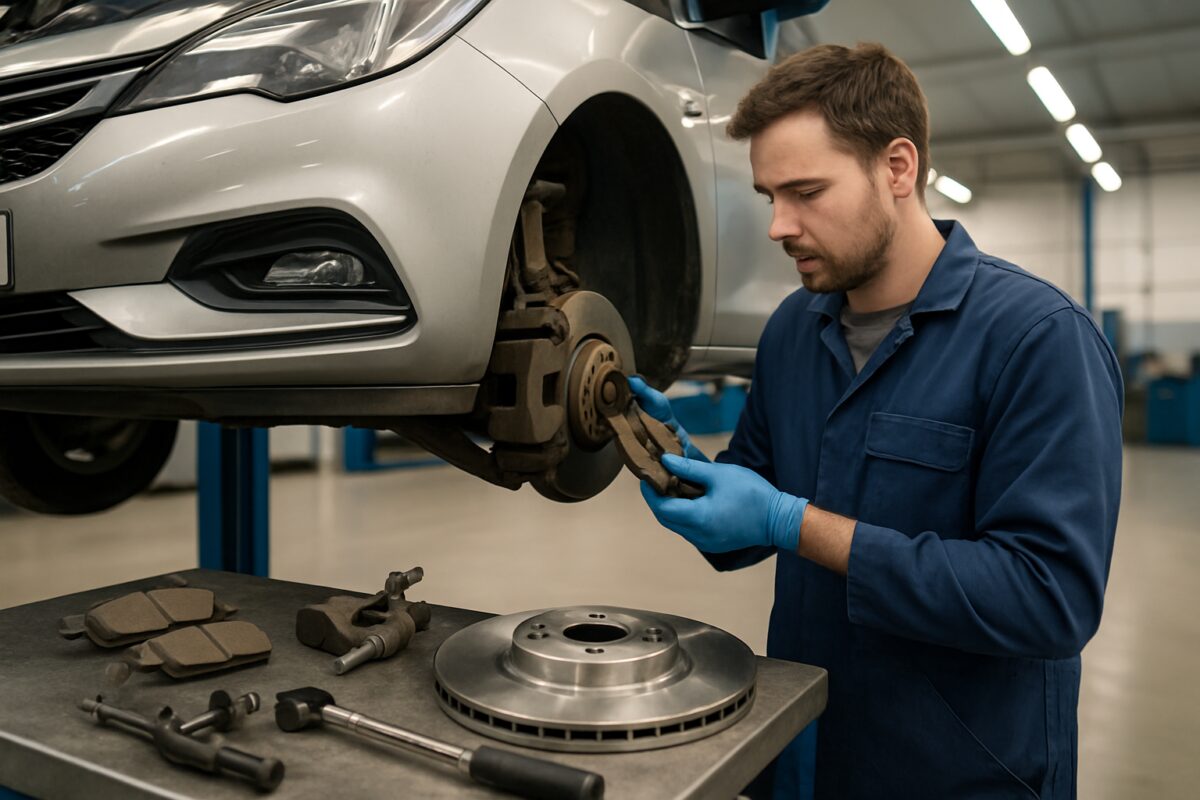
Modern Vauxhall vehicles employ disc brake systems on both front and rear axles in most models. The brake disc, also known as a rotor, provides the friction surface against which the brake pads press to create stopping force.
The brake calliper houses the pads and contains pistons that push the friction material against the disc surface. This system generates substantial heat during operation, which explains why quality components matter significantly for consistent performance.
Vauxhall engineers design brake systems to specific tolerances, ensuring balanced stopping power across all wheels. The front brakes typically handle 60-70% of braking force due to weight transfer during deceleration.
Brake component replacement intervals and warning signs
Brake pad replacement intervals vary considerably based on driving conditions and habits. Urban driving with frequent stops accelerates wear compared to motorway cruising. Most Vauxhall brake pads last between 25,000-50,000 miles under normal conditions.
Several warning indicators signal the need for brake component inspection:
- Squealing or grinding noises during braking
- Increased pedal travel or spongy feel
- Vibration through steering wheel or brake pedal
- Vehicle pulling to one side during braking
- Warning lights on dashboard
Brake discs typically outlast pads by 2-3 replacement cycles. However, warped or scored discs require immediate replacement to maintain braking effectiveness and prevent premature pad wear.
Visual inspection techniques
Regular visual inspections help identify wear before complete failure occurs. Brake pads should maintain at least 3mm thickness of friction material. Discs showing deep grooves, blue discolouration, or significant lip formation need replacement.
Professional inspection reveals issues invisible to casual observation. Brake disc runout, calliper binding, and hydraulic system problems require specialist diagnosis and repair.
UK brake replacement cost breakdown
Vauxhall brake replacement costs depend on several factors, including vehicle model, component quality, and labour rates. Understanding these variables helps budget accurately for maintenance requirements.
| Vauxhall Model | Front Pads & Discs | Rear Pads & Discs | Labour Cost |
|---|---|---|---|
| Corsa | £120-250 | £100-200 | £80-120 |
| Astra | £150-300 | £120-250 | £90-140 |
| Insignia | £200-400 | £150-320 | £100-150 |
| Mokka | £140-280 | £110-220 | £85-130 |
These prices reflect typical UK market rates for standard replacement components. Premium brands command higher prices but often provide superior performance and longevity.
Labour cost variations
Garage labour rates vary significantly across the UK. London and southeast England typically charge £60-100 per hour, whilst northern regions may cost £40-70 hourly. Brake replacement usually requires 2-3 hours for a complete axle service.
Main dealerships charge premium rates but offer manufacturer warranties and specialised knowledge. Independent specialists often provide competitive pricing whilst maintaining high service standards.
Component selection and quality considerations
Brake component quality directly impacts safety, performance, and longevity. Understanding different material types and manufacturing standards helps select appropriate replacements for specific driving requirements.
Brake pad compositions include:
- Organic materials offering quiet operation and minimal disc wear
- Semi-metallic compounds providing enhanced heat resistance
- Ceramic formulations delivering consistent performance across temperature ranges
- Low-metallic options balancing performance with affordability
Disc construction varies from standard solid designs to ventilated versions that improve heat dissipation. Performance applications may benefit from slotted or drilled discs, though these require careful consideration for daily driving use.
OEM versus aftermarket components
Original Equipment Manufacturer parts guarantee exact fitment and performance characteristics. Aftermarket alternatives often provide cost savings whilst maintaining acceptable quality standards.
Reputable aftermarket brands include Brembo, EBC, Pagid, and Mintex, which supply components to major vehicle manufacturers. These suppliers often exceed OEM specifications whilst offering competitive pricing.
| Component Type | OEM Price Range | Quality Aftermarket | Budget Options |
|---|---|---|---|
| Brake Pads (per axle) | £60-120 | £40-80 | £25-50 |
| Brake Discs (pair) | £80-180 | £50-120 | £30-70 |
| Complete Kit | £140-300 | £90-200 | £55-120 |
Professional installation versus DIY considerations
Brake system work requires specific tools, knowledge, and safety precautions. Professional installation ensures proper procedures and warranty coverage, whilst DIY approaches offer potential cost savings for experienced mechanics.
Essential tools for brake work include:
- Quality jack and axle stands rated for vehicle weight
- Brake calliper compression tools
- Torque wrench for precise fastener tightening
- Brake cleaner and appropriate safety equipment
- Specialist tools for disc removal and installation
Safety considerations make professional service advisable for most owners. Incorrect installation compromises braking performance and creates serious safety hazards. Proper bedding-in procedures ensure optimal pad-to-disc contact and prevent premature wear.
Always replace brake components in axle pairs to maintain balanced braking performance. Mixing new and worn components creates uneven stopping forces that compromise vehicle stability and extend stopping distances.
Warranty and guarantee considerations
Professional installation typically includes parts and labour warranties ranging from 12-24 months. These guarantees provide peace of mind and protection against manufacturing defects or installation errors.
DIY installations void component warranties and create liability concerns. Insurance companies may question claims involving vehicles with incorrectly installed safety components.
Where to buy Vauxhall brake components in the UK
Multiple purchasing channels offer varying advantages for brake component procurement. Online retailers provide competitive pricing and convenient delivery, whilst local suppliers offer immediate availability and expert advice.
Recommended purchasing options include:
- Authorised Vauxhall dealerships for guaranteed compatibility
- Motor factors with specialist knowledge and trade accounts
- Online automotive retailers offering competitive pricing
- Local independent garages stocking quality components
- Specialist brake component suppliers
When comparing prices, consider delivery costs, return policies, and technical support availability. Some suppliers offer installation services or recommendations for qualified technicians.
Timing purchases for optimal value
Brake component prices fluctuate seasonally and during promotional periods. Planning purchases during sales events or bulk buying for multiple vehicles can provide significant savings.
Many suppliers offer package deals combining pads, discs, and related components at discounted rates. These bundles often provide better value than purchasing items separately.
Common Vauxhall brake system issues and solutions
Specific Vauxhall models experience common brake-related problems that owners should understand. Early identification and appropriate action prevent costly repairs and maintain safety standards.
Frequent issues include:
- Premature rear brake wear on certain Astra models
- Electronic parking brake faults requiring diagnostic attention
- Brake servo problems affecting pedal feel
- ABS sensor failures causing warning lights
- Corroded brake lines in older vehicles
Regular maintenance schedules help identify developing problems before they become expensive repairs. Annual brake system inspections during MOT testing provide professional assessment of component condition.
Preventive maintenance strategies
Extending brake component life requires consistent maintenance practices. Regular cleaning prevents corrosion buildup, whilst proper driving techniques reduce unnecessary wear.
Effective maintenance includes checking brake fluid levels monthly, cleaning brake dust from wheels, and avoiding harsh braking when possible. Gentle driving techniques significantly extend component lifespan.
Understanding brake system maintenance empowers Vauxhall owners to make informed decisions about component replacement and service providers. Quality parts, professional installation, and regular inspection ensure reliable braking performance whilst managing costs effectively. Whether choosing premium components for enhanced performance or budget options for economical operation, proper selection and installation remain paramount for safety and satisfaction. Regular attention to brake system health prevents unexpected failures and maintains the confidence that comes with reliable stopping power.
Frequently Asked Questions (FAQ)
How often should I replace brake pads on my Vauxhall?
Brake pad replacement intervals vary from 25,000-50,000 miles depending on driving conditions, with urban driving requiring more frequent changes than motorway use.
Can I replace just brake pads without changing discs?
Yes, if discs meet minimum thickness requirements and show no damage. However, new pads on worn discs may require longer bedding-in periods.
What’s the difference between front and rear brake costs?
Front brakes typically cost £20-50 more due to larger components and increased complexity, as they handle 60-70% of braking force.
Should I choose OEM or aftermarket brake parts?
Quality aftermarket parts often match or exceed OEM performance at lower costs, whilst OEM components guarantee exact fitment and specifications.
How long does brake pad and disc replacement take?
Professional replacement typically requires 2-3 hours per axle, including proper bedding-in procedures and safety checks for optimal performance.

 Loading...