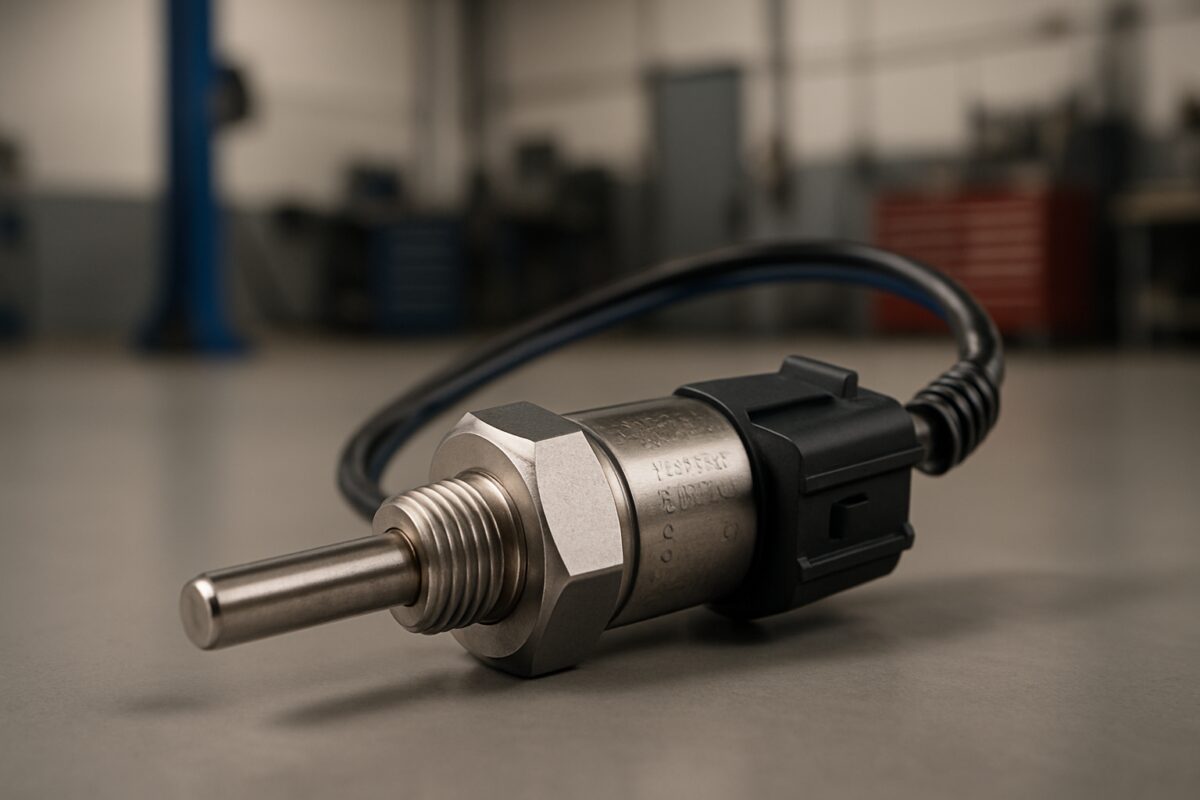
Modern vehicles rely on precise fuel management to deliver optimal performance and meet emission standards. The fuel temperature sensor plays a crucial role in this system, monitoring fuel temperature to ensure the engine control unit (ECU) can calculate the correct fuel-to-air ratio. Understanding how this sensor works and recognising failure symptoms can save you costly repairs and prevent engine damage.
Excessive fuel consumption and poor economy
When your fuel temperature sensor fails, one of the most noticeable symptoms is dramatically increased fuel consumption. The ECU relies on accurate temperature readings to calculate optimal fuel injection timing and quantity. Without proper data, the system defaults to a rich fuel mixture as a protective measure.
This conservative approach means your engine burns more fuel than necessary, leading to frequent trips to the petrol station. You might notice your usual journeys now require significantly more fuel, particularly during cold starts when temperature compensation is most critical.
The problem becomes more pronounced in extreme weather conditions. During winter months, a faulty sensor may prevent the ECU from compensating for cold fuel, resulting in poor combustion efficiency. This not only wastes fuel but can also lead to incomplete burning and increased emissions.
“Our specialists at AutoPartsPro frequently see fuel economy drop by 15-20% when temperature sensors fail, making early diagnosis essential for maintaining running costs.”
Engine management warning lights and error codes
A failing fuel temperature sensor typically triggers warning lights on your dashboard. The check engine light is the most common indicator, accompanied by specific diagnostic trouble codes that technicians can read using OBD-II scanners.
Common error codes include P0183 (fuel temperature sensor circuit high) and P0182 (fuel temperature sensor circuit low). These codes appear when the sensor sends readings outside normal parameters, indicating either electrical faults or sensor degradation.
Modern vehicles with advanced engine management systems may display more specific warnings related to fuel system efficiency. Some cars show fuel temperature warnings directly, alerting drivers to potential sensor issues before they cause significant problems.
The frequency of these warnings often increases over time as sensor performance deteriorates. Initially, codes may appear intermittently during specific conditions, but eventually become persistent as the sensor fails completely.
Rough idling and engine performance issues
Temperature sensor failures directly impact engine smoothness and performance. When the ECU receives incorrect temperature data, it struggles to maintain stable idle speed and smooth acceleration. This manifests as rough idling, particularly noticeable when the engine is cold or during traffic stops.
Performance issues extend beyond idling problems. Acceleration may feel sluggish or uneven, with the engine hesitating during power demands. The ECU’s confusion about fuel temperature leads to inconsistent injection patterns, causing jerky movement and reduced responsiveness.
Cold starts become particularly problematic with sensor failures. The engine may struggle to maintain idle speed immediately after starting, requiring multiple attempts or extended cranking. This happens because the ECU cannot properly compensate for cold fuel density without accurate temperature readings.
These symptoms often worsen during seasonal temperature changes when the difference between actual fuel temperature and sensor readings becomes more significant. What starts as minor roughness can develop into serious driveability problems if left unaddressed.
Warning signs your car has a problem
Recognising early warning signs helps prevent complete sensor failure and associated complications:
- Increased fuel consumption without obvious cause
- Check engine light activation with fuel-related codes
- Rough or unstable idle, especially when cold
Additional symptoms include:
- Hesitation during acceleration
- Difficulty starting in cold weather
- Black smoke from exhaust indicating rich mixture
Temperature-related performance changes also indicate sensor issues:
- Worse performance in extreme weather
- Inconsistent engine behaviour between seasons
- Fuel economy variations with temperature changes
How to fix the problems
Addressing fuel temperature sensor issues requires systematic diagnosis and appropriate replacement parts. Here’s a comparison of common solutions:
| Problem | Quick Fix | Permanent Solution | Estimated Cost |
|---|---|---|---|
| Sensor wiring fault | Clean connections | Replace wiring harness | £50-150 |
| Sensor contamination | Clean sensor housing | Replace sensor and filter | £80-200 |
| Complete sensor failure | Clear error codes | New sensor installation | £120-300 |
| ECU calibration issues | Reset adaptations | Professional reprogramming | £100-250 |
The diagnostic process begins with scanning for error codes and checking sensor resistance values. Professional technicians use multimeters to verify sensor operation across different temperature ranges, ensuring accurate diagnosis before replacement.
Quality replacement sensors are essential for long-term reliability. Genuine parts or OEM equivalents provide better durability than aftermarket alternatives. Consider upgrading the fuel filter during sensor replacement to prevent future contamination.
“Always replace fuel system components in pairs when possible – if one sensor fails, others may be close behind due to similar operating conditions and age.”
Maintenance and prevention strategies
Preventive maintenance significantly extends fuel temperature sensor life and prevents costly failures:
| Maintenance Task | Frequency | Benefits | Cost Range |
|---|---|---|---|
| Fuel system cleaning | Every 20,000 miles | Removes contaminants | £30-80 |
| Filter replacement | Every 15,000 miles | Prevents sensor fouling | £20-60 |
| Connection inspection | Annual service | Prevents electrical faults | £10-30 |
| Diagnostic scan | Every 12 months | Early problem detection | £25-50 |
Regular fuel quality maintenance helps prevent sensor contamination. Using reputable fuel suppliers and avoiding running tanks extremely low reduces sediment exposure. Adding fuel system cleaners during routine maintenance can help maintain sensor accuracy.
Understanding your vehicle’s maintenance schedule helps identify optimal service intervals for fuel system components.
When to see a mechanic
Certain symptoms require immediate professional attention to prevent engine damage or complete breakdowns. Persistent check engine lights with fuel-related codes need diagnostic scanning to identify specific problems before they escalate.
Professional diagnosis becomes essential when multiple symptoms occur simultaneously. Complex fuel system interactions mean sensor failures can trigger cascading problems affecting fuel injectors, pumps, and engine management systems.
Emergency situations requiring immediate attention include complete loss of power, excessive black smoke, or strong fuel odours. These symptoms suggest serious fuel system malfunctions that could pose safety risks or cause catastrophic engine damage.
Timing matters significantly with fuel system repairs. Early intervention prevents secondary damage to expensive components like catalytic converters or high-pressure fuel pumps. Professional technicians can identify root causes and prevent recurring failures.
Consider professional service when dealing with hybrid or complex modern engines. These systems often integrate fuel temperature data with other sensors, requiring specialized diagnostic equipment and expertise. Learn more about when to visit a garage for professional diagnosis.
Frequently asked questions
Where is the fuel temperature sensor typically located?
The sensor is usually mounted in the fuel tank, fuel rail, or high-pressure fuel pump housing, depending on vehicle design and fuel system configuration.
Can I drive with a faulty fuel temperature sensor?
Short-term driving is possible, but expect reduced fuel economy and performance. Extended use risks damaging other fuel system components through improper mixtures.
How much does fuel temperature sensor replacement cost?
Replacement costs range from £120-300 including parts and labour, varying by vehicle make, sensor location, and local labour rates in your area.
Do all cars have fuel temperature sensors?
Most modern vehicles since 2010 include fuel temperature sensors for emission compliance and fuel efficiency optimization, though older cars may lack this component.
Can contaminated fuel damage the temperature sensor?
Yes, poor fuel quality, water contamination, and sediment can coat sensor elements, causing inaccurate readings and eventual failure requiring complete replacement.
Final recommendation
Fuel temperature sensor maintenance deserves attention in your regular service schedule. These components directly impact fuel economy, engine performance, and emission compliance. Early detection of symptoms like increased consumption or rough idling prevents expensive secondary damage to fuel injectors, catalytic converters, and engine management systems.
Professional diagnosis ensures accurate problem identification and appropriate repairs. Quality replacement parts from reputable suppliers like AutoPartsPro provide reliable long-term solutions. Remember that fuel system components work together – addressing sensor issues promptly protects your entire fuel delivery system and maintains optimal vehicle performance for years to come.

 Loading...