The Hyundai H1 van has earned a solid reputation amongst commercial operators and families alike. However, like any vehicle, this Korean workhorse faces specific problems with the Hyundai H1 that owners should understand. Our Autopartspro specialists have identified recurring issues that affect both reliability and running costs. Knowing these common faults helps you maintain your H1 properly and avoid costly breakdowns.
Engine overheating and cooling system failures
The H1’s cooling system presents one of the most frequent headaches for owners. The radiator thermostat often fails prematurely, causing erratic temperature readings and potential overheating.
Water pump problems plague many H1 models, particularly those with higher mileage. The pump’s impeller can crack or the bearings wear out, reducing coolant circulation. This leads to hot spots in the engine block and potential head gasket damage.
Radiator blockages occur frequently due to debris accumulation and internal corrosion. The radiator fins become clogged with road dirt and insects, whilst internal passages suffer from coolant degradation. Many H1 owners report sudden temperature spikes during motorway driving.
Check your coolant level weekly and inspect the radiator for external blockages. Early detection prevents expensive engine damage.
The expansion tank cap frequently loses pressure, allowing coolant to boil at lower temperatures. This seemingly minor component failure can cause major overheating issues if ignored.
Transmission and clutch problems
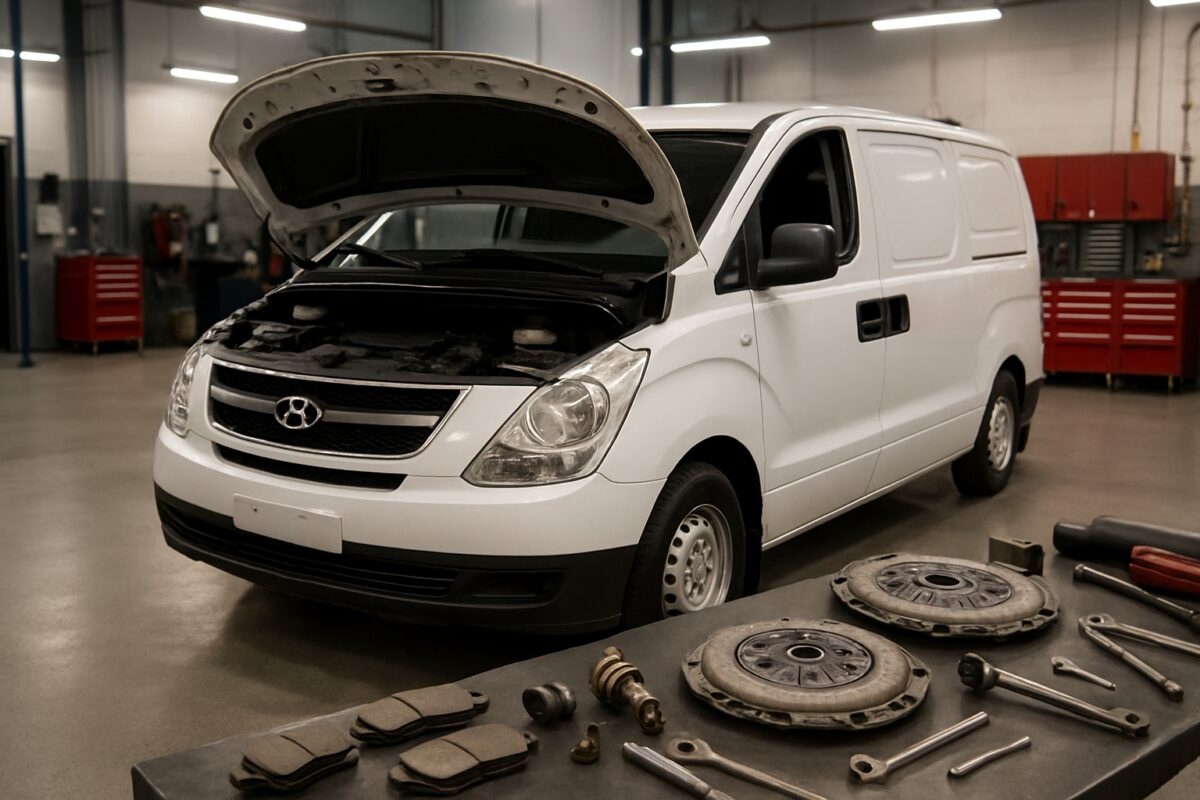
Manual transmission H1s suffer from clutch wear issues, particularly in commercial applications. The clutch plate experiences rapid deterioration under heavy loads, with some units failing before 80,000 miles.
Gear selection becomes difficult as the clutch wears. Drivers report grinding noises when engaging first gear and slipping during acceleration. The clutch pressure plate often warps due to excessive heat buildup.
Automatic variants face their own challenges. The transmission fluid overheats during heavy towing, causing internal seal damage. Many owners experience delayed gear changes and harsh shifting patterns.
The clutch release bearing makes distinct whining noises when pressed, indicating imminent failure. This component often fails alongside the main clutch assembly, requiring complete replacement.
Replace transmission fluid according to service intervals. Fresh fluid prevents costly automatic transmission rebuilds.
Brake system deterioration
The H1’s brake system faces severe challenges due to the vehicle’s weight and commercial use. Brake pads wear quickly on the front axle, often requiring replacement every 25,000 miles in commercial service.
Rear brake problems centre around the drum system. The brake drum warps from heat stress, causing vibration and uneven pad contact. Many H1s develop a distinctive grinding noise from worn rear shoes.
The brake servo fails on older models, making the brake pedal extremely heavy. This vacuum-assisted component suffers from diaphragm splits and internal corrosion. Drivers notice increased pedal effort and reduced stopping power.
Brake fluid contamination occurs frequently due to moisture ingress. The hygroscopic nature of brake fluid means it absorbs water over time, reducing boiling point and causing spongy pedal feel.
Suspension wear and handling issues
Front suspension components suffer heavily under the H1’s weight distribution. The shock absorber units wear rapidly, particularly on vehicles carrying maximum payload regularly.
Ball joint deterioration affects steering precision and tyre wear patterns. The lower ball joint experiences the most stress, developing play that creates wandering steering and uneven tyre contact.
The rear leaf spring system loses its arch over time, reducing ground clearance and affecting load capacity. Springs often crack near the mounting points, creating dangerous handling characteristics.
Sway bar bushings deteriorate quickly, causing knocking noises over bumps and reduced cornering stability. These rubber components perish in the British climate, becoming hard and ineffective.
Warning signs your car has a problem
Recognising early warning signs prevents minor issues becoming major failures. Pay attention to these symptoms:
- Temperature gauge readings above normal operating range
- Unusual noises during gear changes or clutch operation
- Spongy or hard brake pedal feel
- Wandering steering or uneven tyre wear
- Grinding or squealing noises from wheels
How to fix the problems
| Problem | DIY Difficulty | Estimated Cost | Time Required |
|---|---|---|---|
| Thermostat replacement | Moderate | £40-80 | 2-3 hours |
| Water pump replacement | Advanced | £150-300 | 4-6 hours |
| Clutch replacement | Expert | £400-800 | 6-8 hours |
| Brake pad replacement | Moderate | £80-150 | 2-4 hours |
| Shock absorber replacement | Moderate | £200-400 | 3-5 hours |
Many repairs require specialist tools and knowledge. The cooling system demands proper bleeding procedures to prevent air locks. Clutch replacement needs transmission removal, making it unsuitable for amateur mechanics.
| Maintenance Item | Service Interval | Critical Points |
|---|---|---|
| Coolant system flush | 3 years/60,000 miles | Check radiator hose condition |
| Transmission service | 40,000 miles | Replace filter and fluid together |
| Brake fluid renewal | 2 years | Check for moisture contamination |
| Suspension inspection | Annual | Look for suspension arm bushing wear |
When to see a mechanic
Professional assistance becomes essential when dealing with complex systems. Engine overheating requires immediate attention to prevent catastrophic damage. Any grinding noises from the transmission indicate urgent intervention needed.
Brake problems never wait for convenient timing. Spongy pedals or grinding noises demand immediate professional inspection. The H1’s weight makes brake failure particularly dangerous.
Suspension issues affecting steering require expert diagnosis. What seems like simple wear might indicate structural problems. Professional alignment equipment ensures proper geometry restoration.
- Engine temperature warnings or steam from bonnet
- Complete clutch failure or gear selection problems
- Brake warning lights or complete pedal loss
- Severe vibration or steering instability
- Unusual noises from engine, transmission, or suspension
Frequently Asked Questions (FAQ)
What causes Hyundai H1 engines to overheat frequently?
Failed thermostats, blocked radiators, and worn water pumps cause most overheating. Regular coolant system maintenance prevents these issues.
How long should a Hyundai H1 clutch last in commercial use?
Commercial H1 clutches typically last 60,000-80,000 miles. Heavy loads and frequent stop-start driving reduce lifespan significantly.
Why do H1 brake pads wear out so quickly?
The H1’s weight and commercial loading stress the brake system. Front pads often need replacement every 25,000 miles.
What suspension problems affect Hyundai H1 handling most?
Worn shock absorbers and deteriorated ball joints cause the most handling problems. Regular inspection prevents safety issues.
How often should I service my Hyundai H1 transmission?
Service automatic transmissions every 40,000 miles. Manual boxes need gear oil changes at similar intervals for optimal operation.
Final recommendation
The Hyundai H1 remains a capable commercial vehicle despite these common issues. Our Autopartspro mechanics recommend proactive maintenance over reactive repairs. Regular cooling system servicing prevents expensive engine damage, whilst timely clutch replacement avoids transmission problems.
Commercial operators should budget for accelerated wear rates. The brake system requires frequent attention due to payload demands. Suspension components need regular inspection to maintain safe handling characteristics.
Quality replacement parts make the difference between reliable service and repeated failures. Investing in genuine or OE-specification components ensures longevity and performance. The H1 rewards careful maintenance with extended service life and reduced running costs.

 Loading...