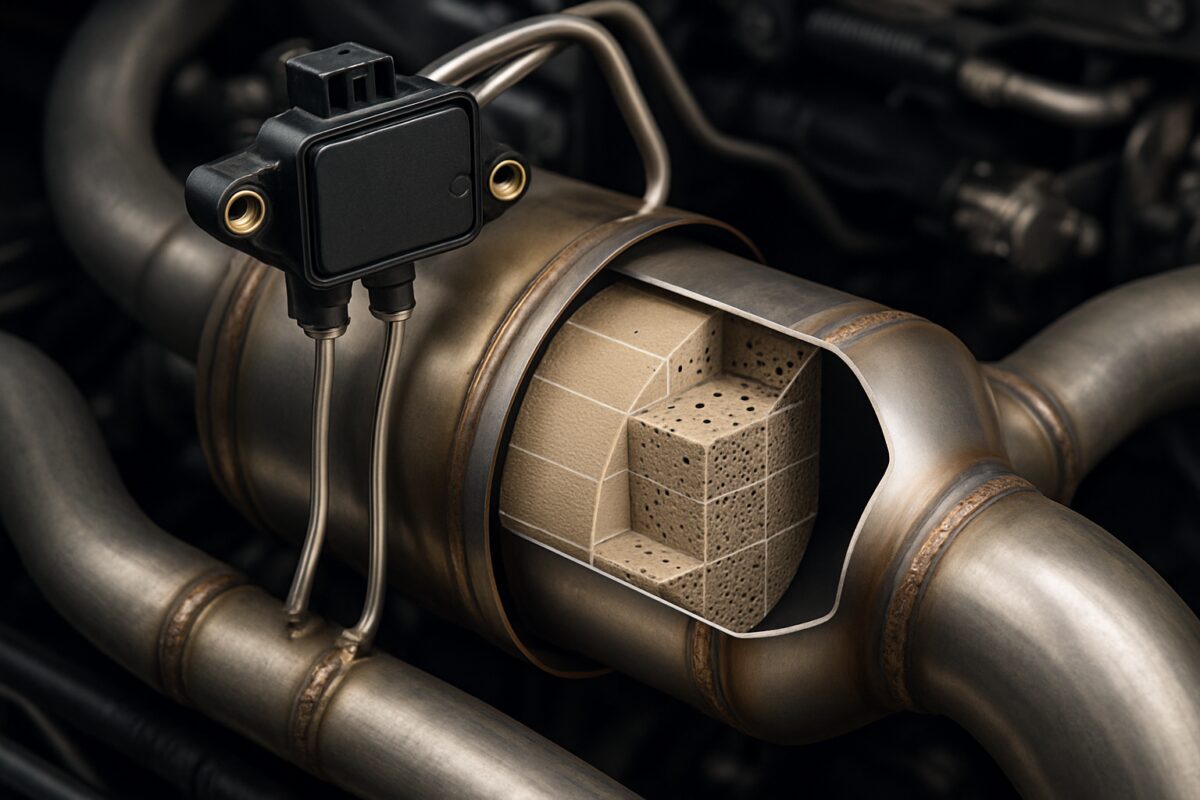
The DPF pressure sensor monitors differential pressure across your vehicle’s diesel particulate filter, measuring soot accumulation and triggering regeneration cycles when needed. This critical component ensures optimal exhaust emissions control by continuously comparing pressure readings before and after the DPF unit, alerting the engine control unit when cleaning is required.
Understanding the DPF pressure sensor function
Modern diesel vehicles rely on sophisticated emission control systems to meet strict environmental standards. The differential pressure sensor serves as the eyes and ears of this system, constantly monitoring your DPF’s condition.
This sensor works by measuring pressure differences across the filter using two sampling points. When soot builds up inside the DPF, it creates increased back-pressure that the sensor detects. The engine management system uses this data to determine when regeneration is necessary.
The sensor operates through a diaphragm mechanism that responds to pressure changes. Electronic signals are sent to the ECU, which interprets the data and initiates appropriate actions. This process happens continuously while your engine runs, ensuring optimal performance and emissions compliance.
How pressure readings trigger regeneration
When the sensor detects predetermined pressure thresholds, it signals the need for active or passive regeneration. Passive regeneration occurs naturally during motorway driving, whilst active regeneration requires the ECU to inject extra fuel to raise exhaust temperatures.
The system typically triggers regeneration when pressure differences reach specific millibar levels. These thresholds vary between manufacturers but generally range from 2.5 to 4.0 millibars above baseline readings.
Locating your vehicle’s DPF pressure sensor
Finding the DPF pressure sensor requires understanding your vehicle’s exhaust system layout. Most sensors mount directly onto the DPF housing or nearby exhaust components, connected via rubber or metal sampling tubes.
The sensor typically features two connection points – one before the DPF and one after. These sampling lines allow the sensor to measure pressure differences accurately. On most vehicles, you’ll find it mounted on the engine bay firewall or near the DPF unit itself.
Common mounting locations by vehicle type
Different manufacturers prefer specific mounting strategies based on packaging constraints and service accessibility. Here’s where you’ll typically find these sensors:
- European vehicles often mount sensors on the firewall with extended sampling lines
- Japanese manufacturers frequently integrate sensors directly into the DPF housing
- American trucks typically position sensors near the [exhaust manifold](https://www.autopartspro.co.uk/carparts-online/exhaust-manifold) for easier maintenance access
- Commercial vehicles may use multiple sensors for enhanced monitoring accuracy
The sensor connects to the vehicle’s wiring harness through a weatherproof connector. This electrical connection carries power supply and signal wires back to the engine control module.
Recognising DPF pressure sensor faults
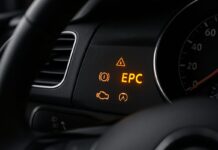
When DPF pressure sensors fail, they often trigger dashboard warning lights and affect vehicle performance. Understanding these symptoms helps identify problems before they become costly repairs.
Failed sensors typically produce error codes ranging from P2002 to P2458, depending on your vehicle’s diagnostic system. These codes indicate issues with DPF pressure monitoring or regeneration control.
Primary fault symptoms
Several warning signs indicate potential sensor problems:
- Dashboard DPF warning light activation
- Reduced engine power or limp mode operation
- Increased fuel consumption during normal driving
- Frequent or failed regeneration attempts
- Black smoke emission during acceleration
These symptoms often worsen gradually, making early detection crucial for preventing expensive DPF damage. Regular diagnostic scans can reveal developing issues before they affect drivability.
Common causes of sensor failure
Several factors contribute to DPF pressure sensor deterioration. Understanding these causes helps prevent premature failures and extends sensor life.
Heat exposure represents the primary cause of sensor degradation. Excessive exhaust temperatures can damage internal components, particularly the sensitive diaphragm mechanism. This often occurs when regeneration cycles fail repeatedly.
Contamination from soot particles also affects sensor accuracy. When sampling tubes become blocked, pressure readings become unreliable. Carbon buildup around the sensor mounting points creates similar issues.
Environmental factors affecting sensor longevity
External conditions significantly impact sensor durability:
| Factor | Impact Level | Primary Effect |
|---|---|---|
| Road salt exposure | High | Connector corrosion |
| Extreme temperatures | Medium | Housing expansion/contraction |
| Vibration stress | Medium | Internal component fatigue |
| Moisture ingress | High | Electronic component damage |
Quality aftermarket sensors from reputable suppliers often provide better longevity than economy alternatives. Investing in proper components saves money long-term whilst ensuring reliable operation.
Professional diagnostic approach
Our Autopartspro mechanics recommend following systematic diagnostic procedures when investigating DPF pressure sensor issues. This approach ensures accurate fault identification whilst avoiding unnecessary part replacement.
Professional diagnosis begins with comprehensive OBD scanning to retrieve stored fault codes. These codes provide initial guidance but require verification through live data monitoring and physical inspection.
Essential diagnostic steps
Proper sensor testing requires specific equipment and techniques:
- Retrieve diagnostic trouble codes using professional scanning equipment
- Monitor live sensor data during engine operation
- Inspect sampling tube connections for blockages or damage
- Verify electrical connector integrity and pin condition
- Test sensor operation using vacuum/pressure testing equipment
- Compare readings against manufacturer specifications
This systematic approach identifies genuine sensor faults versus secondary issues like blocked sampling tubes or wiring problems. Many apparent sensor failures actually result from maintenance neglect rather than component defects.
Replacement considerations and costs
When sensor replacement becomes necessary, several factors influence repair costs and component selection. Understanding these variables helps make informed decisions about repairs.
Genuine OEM sensors typically cost between £80-200 depending on vehicle application. Quality aftermarket alternatives often provide similar performance at reduced prices, making them attractive for older vehicles.
Labour and additional costs
Replacement complexity varies significantly between vehicle models. Some sensors require extensive dismantling for access, whilst others install easily from the engine bay.
| Vehicle Type | Typical Labour Time | Access Difficulty |
|---|---|---|
| Small hatchbacks | 1-2 hours | Moderate |
| Large saloons | 2-3 hours | Difficult |
| SUVs/4WDs | 1.5-2.5 hours | Easy to moderate |
| Commercial vans | 2-4 hours | Very difficult |
Additional costs may include new sampling tubes, mounting hardware, or [gaskets](https://www.autopartspro.co.uk/carparts-online/gaskets) if components suffer damage during removal. Planning for these extras prevents project delays.
Prevention and maintenance strategies
Proactive maintenance significantly extends DPF pressure sensor life whilst preventing costly system failures. Simple preventive measures often eliminate common problems before they develop.
Regular motorway driving helps maintain clean sampling tubes by promoting complete regeneration cycles. City driving alone rarely provides sufficient exhaust temperatures for proper DPF operation.
Maintenance best practices
Following these practices reduces sensor problems:
- Complete recommended regeneration cycles when prompted by the dashboard
- Use quality diesel fuel with appropriate additive content
- Replace [air filters](https://www.autopartspro.co.uk/carparts-online/air-filter) and [fuel filters](https://www.autopartspro.co.uk/carparts-online/fuel-filter) at scheduled intervals
- Inspect sampling tube connections during routine servicing
- Address DPF warning lights promptly rather than ignoring them
Quality engine oil also plays a crucial role in DPF system health. Low-ash oils reduce particulate production, decreasing sensor workload and extending service life.
Impact on related systems
DPF pressure sensor faults affect multiple vehicle systems beyond just emission control. Understanding these connections helps appreciate the importance of timely repairs.
When sensors fail, the ECU loses critical feedback about DPF condition. This often triggers conservative operating strategies that reduce performance and increase fuel consumption. The [turbocharger](https://www.autopartspro.co.uk/carparts-online/turbocharger) may also operate at reduced boost pressures to protect the engine.
Failed regeneration attempts can damage other exhaust components including the [catalytic converter](https://www.autopartspro.co.uk/carparts-online/catalytic-converter) and exhaust valves. Excessive fuel injection during attempted regeneration may contaminate engine oil, affecting lubrication quality.
Long-term consequences of neglect
Ignoring DPF pressure sensor problems creates escalating repair costs. Initially simple sensor replacement may progress to complete DPF replacement if regeneration failures continue unchecked.
Engine damage becomes possible when oil contamination occurs from excessive regeneration attempts. This can affect components including [pistons](https://www.autopartspro.co.uk/carparts-online/piston), [piston rings](https://www.autopartspro.co.uk/carparts-online/piston-rings), and cylinder bore surfaces.
Expert installation tips
Proper installation techniques ensure reliable sensor operation and prevent premature failure. Our experienced technicians have developed proven methods for successful sensor replacement.
Always clear the vehicle’s DPF learning values after sensor replacement using professional diagnostic equipment. This allows the ECU to recalibrate pressure thresholds for the new component, ensuring accurate regeneration control.
Thread sealant application requires careful attention to prevent over-tightening whilst ensuring leak-proof connections. Use manufacturer-specified torque values to avoid damage to sampling tube fittings.
When replacing sampling tubes, ensure proper routing away from heat sources and moving components. Incorrect positioning often causes premature tube failure and contamination ingress.
Post-installation verification
Successful installation requires comprehensive testing to confirm proper operation. This includes verifying electrical connections, checking for pressure leaks, and monitoring live data during initial operation.
Road testing under various operating conditions confirms the sensor responds correctly to changing exhaust backpressure. This validation prevents comebacks and ensures customer satisfaction.
DPF pressure sensors play a vital role in modern diesel vehicle operation, monitoring particulate filter condition and triggering necessary regeneration cycles. Understanding their function, recognising fault symptoms, and implementing proper maintenance strategies ensures reliable performance and prevents expensive repairs. When replacement becomes necessary, quality components from trusted suppliers combined with professional installation techniques deliver lasting solutions for emission control system problems.
Frequently Asked Questions (FAQ)
Can I drive with a faulty DPF pressure sensor?
Limited driving is possible, but the vehicle may enter limp mode and consume more fuel. Continued operation risks expensive DPF damage through failed regeneration attempts.
How often should DPF pressure sensors be replaced?
Sensors typically last 80,000-120,000 miles with proper maintenance. Harsh operating conditions or neglected DPF systems may require earlier replacement to prevent system damage.
What causes DPF pressure sensor sampling tubes to block?
Soot accumulation from incomplete regeneration cycles commonly blocks tubes. Poor quality fuel, short journey patterns, and ignored warning lights accelerate this contamination process significantly.
Can aftermarket DPF pressure sensors match OEM performance?
Quality aftermarket sensors from reputable manufacturers often provide equivalent performance at lower cost. However, avoid cheap alternatives that may cause calibration issues and reliability problems.
Do DPF pressure sensors require coding after replacement?
Most sensors require ECU adaptation rather than coding. Professional diagnostic equipment clears learning values and allows the system to recalibrate for accurate pressure monitoring.

 Loading...