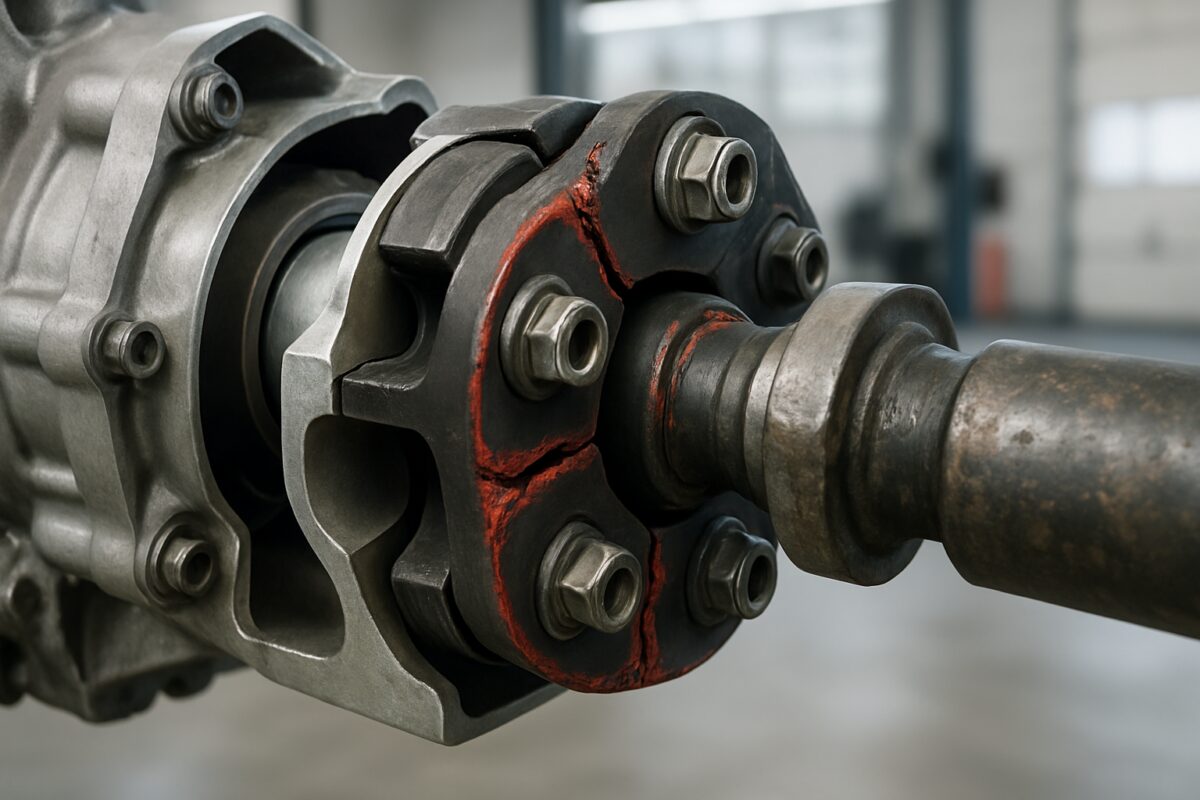
The drive shaft coupler serves as a crucial connection between your vehicle’s transmission and drive shaft, transferring power from the engine to the wheels. When this component fails, it can leave you stranded and create dangerous driving conditions. Understanding its function and recognising failure symptoms can save you from costly repairs and potential accidents.
Excessive vibration during acceleration
One of the most common signs of a failing drive shaft coupler is intense vibration that occurs when you accelerate. This happens because worn coupling components can no longer maintain proper alignment between the transmission output shaft and the drive shaft.
The vibration typically starts mild but becomes more pronounced as the coupling deteriorates further. You’ll notice it most when pulling away from traffic lights or during motorway merging. This symptom often coincides with issues in related components like the CV joint or propshaft.
Our Autopartspro mechanics frequently see vehicles where drivers ignored early vibration symptoms. This leads to additional damage in surrounding components, including the transmission mount and differential housing. The vibration occurs because the coupling can no longer absorb minor misalignments and rotational irregularities.
Immediate attention becomes necessary when vibration appears during normal driving conditions. Continuing to drive with a faulty coupler risks complete failure of the power transmission system.
Clunking noises when shifting gears
A deteriorating drive shaft coupler produces distinctive clunking sounds, particularly when changing gears or engaging the clutch. These noises result from excessive play in the coupling mechanism, allowing components to move beyond their intended range.
The sound typically occurs during gear changes because this is when torque loads shift most dramatically through the drivetrain. Manual transmission vehicles show this symptom more clearly than automatics. The noise may also appear when reversing or during sudden acceleration changes.
Professional diagnostics often reveal that clunking noises coincide with wear in other drivetrain components. The clutch kit and flywheel frequently show signs of stress when couplers fail. This happens because the damaged coupling transfers irregular forces throughout the system.
Experienced technicians recommend immediate inspection when clunking becomes audible. Delayed repairs often result in transmission damage and significantly higher repair costs.
Difficulty maintaining constant speed
Faulty drive shaft couplers create inconsistent power delivery, making it challenging to maintain steady speeds. This symptom becomes most apparent during motorway driving or when using cruise control systems.
The irregular power transfer occurs because worn coupling components introduce play in the drivetrain. This play allows the drive shaft to move slightly out of alignment, creating intermittent power loss. Drivers often describe the sensation as the vehicle “surging” or “hesitating” without input changes.
Modern vehicles with electronic stability systems may show additional warning lights when couplers fail. The vehicle’s computer detects irregular wheel speed variations and attempts to compensate. This can affect related systems including the ABS sensor readings.
Our specialists observe that this symptom often develops gradually, making it easy for drivers to adapt unconsciously. However, the underlying mechanical stress continues building until complete failure occurs.
Warning signs your car has a problem
Recognising early warning signs prevents costly drivetrain failures and potential safety hazards. These symptoms typically appear in combination rather than isolation:
- Unusual vibrations during acceleration or cruising speeds
- Metallic grinding or clunking sounds from underneath the vehicle
- Difficulty engaging gears or unusual resistance in the gear lever
Additional symptoms include steering wheel vibration, particularly noticeable during acceleration. The steering rack can be affected by drivetrain vibrations transmitted through the chassis.
Dashboard warning lights may illuminate if the coupling failure affects electronic systems. Modern vehicles monitor drivetrain performance through various sensors, triggering alerts when irregularities occur.
How to fix the problems
Addressing drive shaft coupler issues requires systematic diagnosis and proper repair techniques. The following table outlines common problems and their solutions:
| Problem | Cause | Solution | Difficulty Level |
|---|---|---|---|
| Worn coupling disc | Normal wear and tear | Replace complete coupling assembly | Moderate |
| Misalignment | Accident damage or worn mounts | Realign drivetrain and replace mounts | High |
| Contamination | Seal failure allowing dirt entry | Clean and reseal coupling housing | Low |
Professional repair typically involves removing the drive shaft and accessing the coupling mechanism. This process requires specialised tools and knowledge of torque specifications. The propshaft must be properly balanced after reassembly.
Always mark the position of components before removal to ensure correct reassembly and maintain drivetrain balance.
Repair costs vary depending on vehicle type and coupling design. Some vehicles use flexible disc couplings, while others employ universal joint configurations. Each requires specific repair procedures and replacement parts.
When to see a mechanic
Professional diagnosis becomes essential when symptoms persist or worsen despite basic maintenance. Certain warning signs require immediate mechanical attention to prevent dangerous failures.
Seek professional help immediately if you experience complete loss of power transmission, loud banging noises from the drivetrain, or visible damage to undercarriage components. These symptoms indicate potential safety hazards that could result in accidents.
Never ignore unusual noises from the drivetrain area, as they often indicate impending component failure that could leave you stranded.
Regular maintenance schedules should include drivetrain inspection, particularly for vehicles with high mileage or those used for towing. Professional mechanics can identify wear patterns before complete failure occurs. Components like the engine mount and transmission mount should be checked simultaneously.
Emergency situations require immediate professional assistance:
- Complete loss of forward motion despite engine running
- Loud grinding or metallic scraping sounds from underneath
- Visible leakage of transmission fluid near coupling area
Frequently asked questions
How long does a drive shaft coupler typically last?
Most couplers last between 60,000-100,000 miles depending on driving conditions and vehicle maintenance. Heavy towing or aggressive driving reduces lifespan significantly.
Can I drive with a failing drive shaft coupler?
Continued driving risks complete drivetrain failure and potential accidents. Stop driving immediately if symptoms become severe or safety concerns arise.
What causes premature coupler failure?
Common causes include lack of lubrication, contamination from road debris, misalignment from accidents, and excessive torque from modified engines or heavy loads.
How much does coupler replacement cost?
Replacement costs range from £150-400 including labour, depending on vehicle type and coupling design. Complex installations may require additional charges for alignment.
Can I replace a drive shaft coupler myself?
DIY replacement requires advanced mechanical skills, specialised tools, and proper torque specifications. Most drivers should seek professional installation to ensure safety and performance.
The following comparison shows repair complexity across different coupling types:
| Coupling Type | Repair Difficulty | Special Tools Required | Time Required |
|---|---|---|---|
| Flexible disc | Moderate | Torque wrench, puller | 2-3 hours |
| Universal joint | High | Press, alignment tools | 3-4 hours |
| Rubber coupling | Low | Basic hand tools | 1-2 hours |
Final recommendation
Drive shaft couplers play a vital role in vehicle safety and performance, making prompt attention to symptoms essential. Our Autopartspro specialists recommend regular drivetrain inspections during routine maintenance intervals to catch problems early.
Don’t wait for complete failure before addressing coupler issues. Early intervention saves money and prevents dangerous roadside breakdowns. Quality replacement parts and professional installation ensure reliable performance and extended component life.
When selecting replacement couplers, choose OEM-specification parts that match your vehicle’s original equipment. This ensures proper fit, performance, and longevity. Consider upgrading related components like the differential or hub bearing if they show wear signs during coupling replacement.

 Loading...