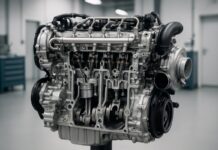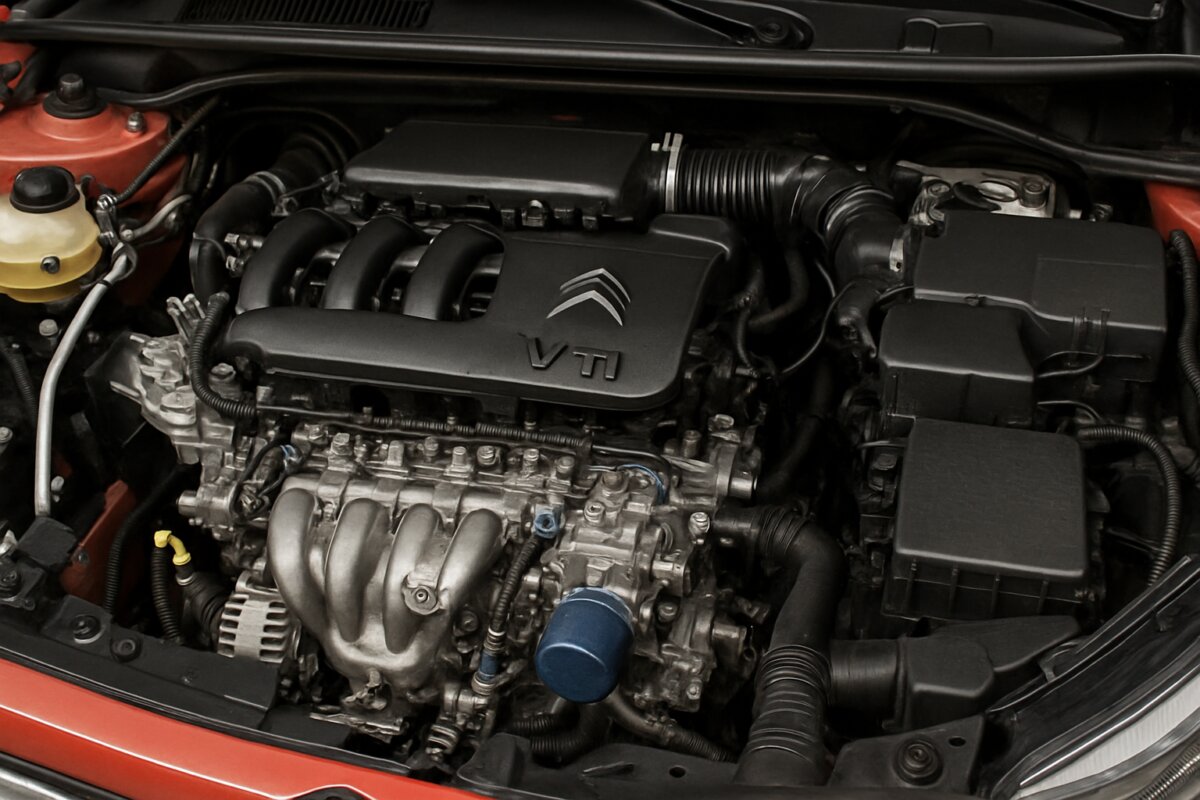
The Citroën C1 stands as a testament to French engineering excellence in the city car segment, offering drivers a perfect blend of practicality and efficiency. This compact vehicle relies heavily on its engine performance to deliver the nimble urban driving experience it’s renowned for. With power outputs ranging from 68 to 82 horsepower and torque figures between 93-108 Nm, the C1’s engine lineup provides adequate motivation for city streets whilst maintaining impressive fuel economy figures.
Comparison table of all engines
| Engine | Power Output | Torque | Fuel Consumption | Reliability |
|---|---|---|---|---|
| 1.0 VTi 68 | 68 bhp | 93 Nm | 4.3 L/100km | Good |
| 1.2 VTi 82 | 82 bhp | 108 Nm | 4.5 L/100km | Excellent |
| 1.0 e-VTi 68 | 68 bhp | 93 Nm | 3.8 L/100km | Very Good |
Each powerplant offers distinct characteristics suited to different driving preferences and requirements. The naturally aspirated units provide reliable service with minimal complexity.
1.0 VTi 68 engine overview
The entry-level 1.0-litre VTi represents the most accessible option in the C1 range. This naturally aspirated inline-three cylinder engine delivers 68 brake horsepower through a simple yet effective design philosophy. The 999cc displacement utilises multi-point fuel injection to achieve optimal combustion efficiency.
This petrol unit operates without forced induction, relying on atmospheric pressure for air intake. The fuel pump delivers petrol to electronically controlled injectors for precise metering.
Pros
- Low purchase price and running costs
- Simple maintenance requirements
- Adequate performance for city driving
- Proven reliability record
- Lightweight construction aids handling
Cons
- Limited power for motorway driving
- Three-cylinder vibration at idle
- Requires frequent gear changes on hills
- Road noise intrusion at higher speeds
1.2 VTi 82 engine overview
The 1.2-litre VTi 82 serves as the performance flagship of the C1 engine lineup. This naturally aspirated inline-four cylinder configuration provides 82 horsepower from its 1199cc capacity. The additional cylinder count delivers smoother operation compared to the three-cylinder alternative.
Four-cylinder architecture ensures better balance and reduced vibration characteristics. The engine employs sequential multi-point injection with electronic management for optimal fuel delivery. Regular oil filter changes maintain lubrication system integrity.
Pros
- Smooth four-cylinder operation
- Sufficient power for all driving conditions
- Good refinement levels
- Proven Toyota-derived reliability
- Reasonable fuel consumption
Cons
- Higher initial cost
- Slightly increased fuel consumption
- More complex timing system
- Heavier than three-cylinder option
1.0 e-VTi 68 engine overview
The e-VTi variant incorporates start-stop technology to enhance fuel efficiency without compromising performance. This 999cc three-cylinder unit produces identical power figures to the standard 1.0 VTi but achieves superior economy through intelligent engine management.
The system automatically shuts down the engine during stationary periods and restarts seamlessly when required. This technology requires a robust battery and enhanced starter motor to handle frequent cycling.
Pros
- Excellent fuel economy in urban conditions
- Reduced emissions output
- Lower road tax bracket
- Modern eco-friendly technology
- Seamless operation integration
Cons
- Complex electrical systems
- Higher replacement part costs
- Potential long-term reliability concerns
- Battery replacement expenses
Maintenance cost
| Engine | Recommended Interval | Estimated Cost | Cost per 10,000 miles |
|---|---|---|---|
| 1.0 VTi 68 | 12 months/10,000 miles | £180-220 | £180-220 |
| 1.2 VTi 82 | 12 months/10,000 miles | £200-250 | £200-250 |
| 1.0 e-VTi 68 | 12 months/10,000 miles | £220-280 | £220-280 |
Service intervals remain consistent across the range, though complexity increases with the e-VTi variant. Regular air filter replacement ensures optimal performance from all units.
AutoPartsPro technicians recommend checking the timing chain tensioner every 60,000 miles on all C1 engines to prevent costly failure.
Engine sound and character
The three-cylinder engines produce a distinctive thrum that becomes more pronounced under acceleration. This characteristic sound signature divides opinion amongst drivers, with some appreciating the unique acoustic experience whilst others prefer the smoother four-cylinder note.
The 1.2-litre unit delivers a more conventional engine note with less vibration transmitted through the cabin. All variants benefit from effective sound deadening materials throughout the passenger compartment.
Our mechanics often note that proper engine mount maintenance significantly reduces unwanted vibration transmission in three-cylinder variants.
Who each engine is best for
| Engine | Best For |
|---|---|
| 1.0 VTi 68 | Budget-conscious owners, city commuters, first-time buyers |
| 1.2 VTi 82 | Long-distance drivers, motorway users, refinement seekers |
| 1.0 e-VTi 68 | Eco-conscious drivers, urban commuters, low-mileage users |
Each engine variant caters to specific user requirements. The base 1.0 VTi suits those prioritising initial cost savings, whilst the 1.2 VTi provides additional performance for varied driving conditions. The e-VTi appeals to environmentally conscious drivers seeking maximum efficiency.
Consider your typical driving patterns when selecting between variants. Urban drivers benefit most from the e-VTi’s stop-start technology, whereas mixed driving favours the 1.2-litre’s additional torque output. Regular spark plug maintenance ensures optimal performance across all variants.
Frequently asked questions (FAQ)
Which C1 engine offers the best fuel economy?
The 1.0 e-VTi 68 delivers superior fuel efficiency through stop-start technology, achieving approximately 3.8 litres per 100 kilometres in combined driving conditions.
Are three-cylinder engines less reliable than four-cylinder units?
Modern three-cylinder engines prove equally reliable when properly maintained. The reduced cylinder count actually means fewer moving parts and potential failure points.
How often should I replace the cam belt on C1 engines?
C1 engines use timing chains rather than belts. These require inspection every 60,000 miles but typically last the engine’s lifetime with proper maintenance.
Can I improve performance through aftermarket modifications?
Limited modification potential exists due to naturally aspirated design. Focus on maintaining optimal condition through quality engine oil and regular servicing instead.
What’s the expected lifespan of C1 engines?
With proper maintenance, C1 engines typically achieve 150,000-200,000 miles. Regular coolant temperature sensor monitoring prevents overheating damage.

 Loading...