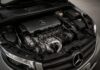
The Suzuki Swift has become one of Britain’s most popular superminis, offering drivers a compelling blend of affordability, reliability, and spirited performance. The heart of any Swift lies in its engine bay, where Suzuki has consistently delivered powerplants that balance efficiency with character. From the economical 1.2-litre naturally aspirated unit producing 90 PS to the punchy 1.4-litre turbo generating 140 PS, each Swift engine serves a distinct purpose in the model lineup.
Comparison table of all engines
Understanding the complete Swift engine range helps buyers make informed decisions about their next purchase.
| Engine | Power Output | Torque | Fuel Consumption | Reliability |
|---|---|---|---|---|
| 1.2L K12C | 90 PS | 120 Nm | 56.5 mpg | Excellent |
| 1.0L BoosterJet | 112 PS | 170 Nm | 50.4 mpg | Very Good |
| 1.4L BoosterJet | 140 PS | 230 Nm | 47.1 mpg | Good |
| 1.2L Hybrid | 83 PS | 107 Nm | 65.7 mpg | Excellent |
1.2L K12C engine overview
The 1.2-litre K12C represents Suzuki’s bread-and-butter powerplant, featuring a naturally aspirated inline-4 configuration with dual overhead camshafts. This Dualjet engine utilises direct injection technology and runs on standard unleaded petrol. The unit displaces 1,242cc and operates on a compression ratio of 12:1, contributing to its impressive fuel efficiency ratings.
According to AutoPartsPro mechanics, the K12C engine benefits from regular air filter changes every 20,000 miles to maintain optimal performance and fuel economy.
Pros
- Outstanding fuel economy reaching 56.5 mpg combined
- Low insurance groups and affordable running costs
- Proven reliability with minimal mechanical issues
- Smooth power delivery ideal for city driving
- Simple maintenance requirements
Cons
- Limited power for motorway overtaking
- Engine can feel strained under heavy acceleration
- Road noise becomes prominent at higher speeds
- Three-cylinder thrum may not appeal to all drivers
1.0L BoosterJet engine overview
The 1.0-litre BoosterJet engine showcases Suzuki’s commitment to downsizing technology, featuring a three-cylinder turbocharged configuration. This direct-injection powerplant produces 112 PS and delivers its peak torque of 170 Nm from just 2,000 rpm. The engine incorporates a compact turbocharger and intercooler system, running on premium unleaded fuel for optimal performance.
Our technical specialists at AutoPartsPro note that this engine represents excellent value for drivers seeking performance enhancement without sacrificing economy.
Pros
- Strong low-end torque for responsive acceleration
- Competitive fuel consumption at 50.4 mpg
- Modern turbo technology with minimal lag
- Excellent power-to-weight ratio
- Suitable for both urban and motorway driving
Cons
- Requires premium fuel for best performance
- Turbo components may need attention after high mileages
- Three-cylinder vibration at idle
- Higher insurance premiums than naturally aspirated variants
1.4L BoosterJet engine overview
The range-topping 1.4-litre BoosterJet engine powers the Swift Sport, delivering 140 PS through a sophisticated four-cylinder turbocharged design. This direct-injection unit features variable valve timing and a twin-scroll turbocharger, producing 230 Nm of torque from 2,500 rpm. The engine requires premium unleaded fuel and incorporates advanced knock detection systems.
Pros
- Impressive performance figures for the supermini class
- Well-balanced power delivery throughout the rev range
- Sophisticated engine management systems
- Suitable for enthusiastic driving
- Strong resale values in the used market
Cons
- Higher fuel consumption compared to other Swift engines
- Premium fuel requirement increases running costs
- Complex turbo system requires specialist maintenance
- Limited availability in certain trim levels
1.2L hybrid engine overview
The Swift’s mild-hybrid system combines the 1.2-litre K12C petrol engine with a 12-volt electric motor-generator. This Integrated Starter Generator (ISG) provides additional torque during acceleration whilst recovering energy under braking. The hybrid system operates seamlessly, with the electric motor supplementing the petrol engine’s output to improve both performance and efficiency.
Pros
- Exceptional fuel economy reaching 65.7 mpg
- Reduced CO2 emissions benefit company car users
- Smooth operation with imperceptible system transitions
- Lower road tax and congestion charge exemptions
- Future-proof technology adoption
Cons
- Higher initial purchase price
- Additional complexity may affect long-term reliability
- Limited electric-only driving capability
- Reduced boot space due to battery placement
Maintenance cost
Understanding maintenance requirements helps Swift owners budget effectively for their vehicle’s upkeep.
| Engine | Recommended Interval | Estimated Cost | Cost per 10,000 miles |
|---|---|---|---|
| 1.2L K12C | 12,500 miles | £180-220 | £144-176 |
| 1.0L BoosterJet | 10,000 miles | £220-280 | £220-280 |
| 1.4L BoosterJet | 10,000 miles | £280-350 | £280-350 |
| 1.2L Hybrid | 12,500 miles | £200-260 | £160-208 |
Engine sound and character
Each Swift engine delivers a distinct acoustic signature that reflects its engineering philosophy. The naturally aspirated 1.2-litre K12C produces a subdued, refined note that emphasises smoothness over drama. Its four-cylinder configuration provides acceptable refinement, though the engine becomes vocal under heavy acceleration.
The turbocharged BoosterJet engines offer more character, with the 1.0-litre three-cylinder producing a distinctive thrum at idle that transforms into an eager growl under boost. The 1.4-litre BoosterJet in the Swift Sport delivers the most engaging soundtrack, combining turbo whistle with a purposeful exhaust note that enhances the driving experience.
Our AutoPartsPro technicians recommend regular spark plug replacement every 30,000 miles to maintain optimal combustion and engine character across all Swift variants.
The hybrid system operates almost silently during electric assistance, creating a serene driving environment that many customers find appealing for urban commuting.
Who each engine is best for
Selecting the right Swift engine depends on individual driving requirements and priorities.
| Engine | Best For |
|---|---|
| 1.2L K12C | Daily commuters, first-time buyers, city driving |
| 1.0L BoosterJet | Balanced performance seekers, mixed driving conditions |
| 1.4L BoosterJet | Performance enthusiasts, spirited driving, Swift Sport buyers |
| 1.2L Hybrid | Eco-conscious drivers, company car users, long-distance commuters |
The 1.2-litre K12C suits buyers prioritising running costs and reliability above outright performance. New drivers benefit from its predictable power delivery and low insurance costs. Urban dwellers appreciate the engine’s efficiency in stop-start traffic conditions.
Drivers seeking a balance between economy and performance gravitate towards the 1.0-litre BoosterJet. Its torquey delivery makes motorway driving more relaxed whilst maintaining reasonable fuel consumption. The engine suits those who occasionally require overtaking performance but don’t want to sacrifice everyday usability.
Performance enthusiasts choose the 1.4-litre BoosterJet for its genuine sporting capability. This engine transforms the Swift into a proper hot hatch, appealing to drivers who prioritise engagement over economy. Weekend drivers and track day enthusiasts particularly appreciate its responsive character and performance potential.
The hybrid variant attracts environmentally conscious buyers and those facing benefit-in-kind tax considerations. Company car drivers benefit from lower emissions ratings, whilst eco-minded customers appreciate the technology’s environmental credentials.
Frequently asked questions
Which Suzuki Swift engine is most reliable?
The 1.2-litre K12C naturally aspirated engine demonstrates exceptional reliability with minimal reported issues and simple maintenance requirements throughout its service life.
Do Swift BoosterJet engines require premium fuel?
Yes, both BoosterJet engines perform optimally on premium unleaded fuel, though they can run on standard fuel with slightly reduced performance and economy.
What is the expected lifespan of Swift engines?
With proper maintenance, Swift engines typically achieve 150,000-200,000 miles, with the naturally aspirated units often exceeding these figures when serviced correctly.
Are Swift hybrid engines more expensive to maintain?
Hybrid systems add modest complexity but maintenance costs remain reasonable, with the oil filter and service intervals similar to conventional engines.
Which Swift engine offers the best fuel economy?
The 1.2-litre hybrid system delivers the highest fuel economy at 65.7 mpg, followed closely by the standard K12C engine at 56.5 mpg.

 Loading...