The KIA XCeed has quickly gained popularity amongst UK motorists for its practical design and competitive pricing. However, like any vehicle, this compact SUV experiences certain common issues that owners should be aware of. Understanding these problems can help you make informed maintenance decisions and potentially save money on costly repairs.
Engine performance and fuel system issues
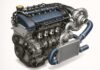
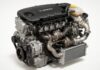
One of the most frequently reported problems with the KIA XCeed involves the 1.5-litre T-GDI petrol engine. Many owners have experienced intermittent power loss, particularly during acceleration. This issue often stems from a faulty fuel filter or contaminated fuel injectors.
The turbocharger system can also develop problems, with symptoms including reduced power output and unusual whistling sounds from the engine bay. Carbon build-up on the intake valves is another concern, especially in direct injection engines, leading to rough idling and decreased fuel economy.
According to our automotive specialists at AutoPartsPro, the 1.0-litre three-cylinder engine exhibits oil consumption issues after 40,000 miles. Regular monitoring of oil levels is essential, as low oil can cause severe engine damage. The oil filter should be replaced every service interval without exception.
Always check your engine oil level monthly – the small three-cylinder engines are particularly sensitive to oil starvation, which can lead to catastrophic failure.
Transmission and gearbox malfunctions
The seven-speed dual-clutch automatic transmission (DCT) in the KIA XCeed has proven problematic for many drivers. Common complaints include jerky gear changes, hesitation when pulling away, and occasional complete loss of drive. These symptoms typically worsen during stop-start driving conditions common in UK city centres.
Manual gearbox variants aren’t immune to issues either. The clutch mechanism can develop premature wear, particularly in vehicles used for frequent short journeys. Clutch judder and difficulty selecting gears are early warning signs that shouldn’t be ignored.
Our experienced technicians frequently encounter transmission control module failures, resulting in the vehicle entering ‘limp mode’. This safety feature limits engine power and can leave drivers stranded. The transmission fluid also requires regular changes every 60,000 miles, despite KIA’s claims of ‘lifetime’ fluid.
Electrical system complications
The XCeed’s sophisticated electrical systems can cause significant headaches for owners. The infotainment system frequently freezes or becomes unresponsive, requiring a complete system reset. Bluetooth connectivity issues are particularly common, with phones failing to connect or disconnecting randomly during calls.
Battery drain problems affect vehicles as young as two years old. The battery can discharge completely overnight, leaving owners unable to start their vehicles. This issue often relates to faulty control modules that fail to enter sleep mode properly.
LED headlight failures are becoming increasingly common, with individual LED elements failing prematurely. Unlike traditional bulb replacement, LED headlight repairs can cost several hundred pounds, as the entire unit typically requires replacement.
Suspension and steering problems
Front suspension components show premature wear in the KIA XCeed, particularly the lower control arm bushings and anti-roll bar links. These failures typically manifest as clunking noises over bumps and reduced steering precision. UK road conditions, with numerous potholes and speed bumps, accelerate wear on these components.
Power steering problems have been reported, with some owners experiencing complete loss of assistance. This fault usually relates to the electric power steering motor or associated wiring harness. The power steering pump requires occasional fluid top-ups despite being an electric system.
Rear shock absorbers can develop leaks after 30,000 miles, causing reduced ride comfort and handling instability. The shock absorbers should be replaced in pairs to maintain balanced handling characteristics.
Never ignore unusual noises from your suspension – early intervention can prevent more expensive repairs and maintain your vehicle’s safety.
Warning signs your car has a problem
Recognising early warning signs can prevent minor issues from becoming major expenses. Pay attention to these indicators:
- Engine warning lights illuminating on the dashboard
- Unusual noises during engine operation or gear changes
- Vibrations through the steering wheel or pedals
- Reduced fuel economy or performance
- Electrical systems behaving erratically
- Fluid leaks beneath the parked vehicle
- Excessive exhaust smoke or unusual odours
- Difficulty starting the engine or battery issues
- Grinding or squealing noises from the brakes
- Uneven tyre wear patterns
- Steering wheel pulling to one side
- Inconsistent brake pedal feel
- Overheating engine or cooling system problems
- Transmission slipping or rough shifting
- Air conditioning not cooling effectively
How to fix the problems
| Problem | Solution | Estimated Cost | Difficulty Level |
|---|---|---|---|
| Fuel system contamination | Replace fuel filter and injector cleaning | £80-150 | Moderate |
| DCT transmission jerking | Software update and fluid change | £200-400 | Professional |
| Battery drain | Module diagnosis and replacement | £150-300 | Professional |
| Suspension noise | Replace worn bushings and links | £100-250 | Moderate |
| LED headlight failure | Complete headlight unit replacement | £300-600 | Professional |
| Maintenance Item | Frequency | Cost Range | DIY Possible |
|---|---|---|---|
| Engine oil and filter | Every 10,000 miles | £40-80 | Yes |
| Transmission service | Every 60,000 miles | £180-250 | No |
| Brake fluid replacement | Every 2 years | £50-90 | Moderate |
| Coolant system flush | Every 5 years | £80-120 | Yes |
| Suspension inspection | Every 20,000 miles | £30-60 | Visual only |
When to see a mechanic
Certain symptoms require immediate professional attention to prevent further damage or safety risks. Visit a qualified technician immediately if you experience complete loss of power steering, transmission failure, or any warning lights related to engine management or braking systems.
Don’t attempt DIY repairs on complex electrical systems or safety-critical components like brakes and steering. Modern vehicles require specialised diagnostic equipment that only professional workshops possess. Our guide explains when professional intervention becomes necessary.
Schedule regular inspections every 6 months, even if no problems are apparent. Preventive maintenance costs significantly less than emergency repairs and helps maintain your vehicle’s warranty coverage. Professional diagnostics can identify developing problems before they cause complete system failures.
Frequently Asked Questions (FAQ)
What are the most common KIA XCeed problems?
Engine performance issues, DCT transmission problems, electrical faults, and premature suspension wear are the most frequently reported concerns by UK owners.
How reliable is the KIA XCeed compared to competitors?
The XCeed scores average reliability ratings, with newer models showing improvement. Regular maintenance significantly enhances long-term dependability and performance.
Are KIA XCeed repairs expensive in the UK?
Repair costs are moderate compared to premium brands. Parts availability is good, and independent specialists offer competitive pricing for maintenance.
Should I buy an extended warranty for my XCeed?
Extended warranties provide peace of mind for electrical and transmission issues. Consider coverage if planning to keep the vehicle beyond five years.
How often should I service my KIA XCeed?
Follow KIA’s service schedule of 10,000 miles or annually. More frequent oil changes benefit direct injection engines and extend component life.
Final recommendation
The KIA XCeed represents good value for money when properly maintained, but owners must be prepared for potential issues with the transmission and electrical systems. Regular servicing using quality parts from reputable suppliers significantly reduces the likelihood of major problems.
Our automotive experts recommend establishing a relationship with a KIA specialist who understands the XCeed’s specific requirements. Keep detailed maintenance records and address small problems promptly before they escalate. With proper care, the XCeed can provide reliable transportation for many years.
Consider preventive maintenance as an investment in your vehicle’s longevity. The money spent on regular servicing and quality replacement parts will ultimately save you from expensive emergency repairs and maintain your vehicle’s resale value.

 Loading...