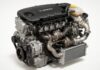
Changing your car’s air filter is a straightforward maintenance task that takes just 10-15 minutes. You’ll need a replacement air filter specific to your vehicle, basic tools like a screwdriver or ratchet set, and protective gloves. The process involves locating the air filter housing, removing the old filter, cleaning the housing, installing the new filter, and securing the housing back in place.
Tools & parts required
Parts needed:
- Replacement air filter (vehicle-specific)
- Cleaning cloth or vacuum cleaner
- Protective gloves (optional)
Tools required:
- Flat-head or Phillips screwdriver
- Socket set or ratchet (for some vehicles)
- Torch or mobile phone light
- Clean rags
Always ensure the air filter matches your vehicle’s make, model, year, and engine type. Check your owner’s manual or the old filter’s part number for compatibility.
Tip: Purchase your air filter before starting the job to avoid leaving your car with no filtration whilst you shop for parts.
Safety precautions
Before beginning work, ensure your engine is cool and has been switched off for at least 30 minutes. Work in a well-lit area and wear protective gloves to avoid cuts from sharp housing edges. Keep the area clean to prevent debris from entering the engine bay.
Never operate your vehicle without an air filter installed, as this can cause severe engine damage from unfiltered contaminants.
Step-by-step instructions
Step 1: Locate the air filter housing
Open your bonnet and locate the air filter housing. This is typically a rectangular or circular black plastic box connected to the throttle body via a large air intake tube. In most vehicles, it’s positioned near the front of the engine bay, though some models have it mounted differently.
Consult your vehicle’s service manual if you’re having difficulty locating the housing, as placement varies significantly between manufacturers and models.
Step 2: Remove the air filter housing cover
Most air filter housings are secured with clips, screws, or wing nuts. Carefully remove these fasteners using appropriate tools. Some modern vehicles use quick-release clips that can be opened by hand, whilst older models may require a screwdriver or socket set.
Place all fasteners in a container to prevent loss and note their positions for reassembly.
Step 3: Remove the old air filter
Lift the old air filter straight up and out of the housing. Take note of which direction it was facing – most filters have an arrow indicating airflow direction. Examine the old filter’s condition; if it’s heavily soiled, clogged, or damaged, you’ve caught the replacement at the right time.
Use this opportunity to inspect the filter housing for cracks, debris, or signs of moisture intrusion.
Step 4: Clean the housing
Before installing the new filter, clean the housing interior with a damp cloth or vacuum cleaner. Remove any leaves, debris, or accumulated dirt. Ensure the housing sealing surfaces are clean and free from old gasket material.
Tip: A clean housing ensures proper filter sealing and prevents contaminated air from bypassing the filter element.
Step 5: Install the new air filter
Place the new air filter into the housing, ensuring it sits properly in the designated grooves or channels. Follow any directional arrows printed on the filter element – these typically point towards the engine. The filter should fit snugly without forcing or bending.
Double-check that the filter is seated correctly around all edges before proceeding.
Step 6: Reassemble the housing
Replace the housing cover, ensuring proper alignment with the base. Secure all fasteners in their original positions, tightening them evenly but not over-tightening, which could crack the plastic housing.
Start your engine and let it idle for a few minutes to ensure proper operation and check for any unusual noises or vibrations.
Common mistakes to avoid
The most frequent error is installing the filter backwards or upside down. Always check for directional arrows and ensure proper orientation. Another common mistake is leaving debris in the housing or failing to secure the cover properly, which can allow unfiltered air to enter the engine.
Avoid over-tightening fasteners, as this can crack the plastic housing and create expensive repair bills. Don’t attempt to clean and reuse disposable paper filters – whilst some performance filters are washable, standard filters are designed for single use only.
Never run your engine without an air filter, even briefly, as this can cause immediate and irreversible engine damage.
When should you replace it?
Most manufacturers recommend air filter replacement every 12,000-15,000 miles or annually, whichever comes first. However, driving conditions significantly affect replacement intervals. City driving, dusty conditions, or frequent motorway use may require more frequent changes.
Visual inspection is the best indicator – a clean filter appears white or light-coloured, whilst a dirty filter looks grey, brown, or black. If you notice reduced acceleration, poor fuel economy, or unusual engine noises, check your air filter condition immediately.
Related maintenance you can do at the same time
Whilst the bonnet is open, consider checking other maintenance items. Inspect the cabin filter, which typically requires replacement at similar intervals. Check fluid levels including engine oil, coolant, and brake fluid.
This is also an excellent opportunity to inspect belts, hoses, and the battery terminals. Many motorists find it efficient to combine air filter replacement with other routine maintenance tasks.
Consider replacing spark plugs if they’re due, as improved airflow from a clean filter complements fresh spark plugs for optimal engine performance.
Frequently asked questions
How often should I change my air filter?
Replace your air filter every 12,000-15,000 miles or annually. Dusty driving conditions may require more frequent replacement every 6,000-8,000 miles.
Can I clean my air filter instead of replacing it?
Standard paper air filters are disposable and cannot be cleaned effectively. Only specialised performance filters marked as washable can be cleaned and reused.
What happens if I drive with a dirty air filter?
A clogged air filter reduces engine performance, increases fuel consumption, and can cause engine misfiring or stalling in severe cases.
Will a new air filter improve my car’s performance?
Yes, a clean air filter ensures optimal airflow to the engine, improving acceleration, fuel economy, and overall engine efficiency compared to a dirty filter.
How do I know which air filter to buy for my car?
Check your owner’s manual, examine the part number on your old filter, or use online parts catalogues with your registration number for accurate compatibility.
Regular air filter maintenance is one of the most cost-effective ways to maintain your vehicle’s performance and protect your engine investment. With the proper tools and quality replacement parts, this simple task ensures your engine receives clean, filtered air for optimal operation and longevity.

 Loading...