The Opel Astra has been a cornerstone of the European compact car market for decades, consistently offering a blend of practicality, efficiency, and performance. The engine lineup forms the heart of this popular hatchback and estate, with power outputs ranging from economical 1.2-litre units to spirited 2.0-litre turbocharged variants. Understanding which engine suits your needs is crucial, whether you’re after fuel economy for daily commuting or performance for weekend driving.
Comparison table of all engines
| Engine | Power output | Torque | Fuel consumption | Reliability |
|---|---|---|---|---|
| 1.2 Turbo 3-cyl | 110-130 HP | 205-230 Nm | 45-52 mpg | Good |
| 1.4 Turbo 4-cyl | 145-150 HP | 245-250 Nm | 42-47 mpg | Very Good |
| 1.5 Diesel 4-cyl | 105-122 HP | 260-300 Nm | 55-68 mpg | Excellent |
| 1.6 Turbo 4-cyl | 180-200 HP | 280-300 Nm | 38-42 mpg | Good |
| 2.0 Turbo 4-cyl | 280 HP | 400 Nm | 32-35 mpg | Good |
Engine #1 Overview
The 1.2-litre three-cylinder turbocharged petrol engine represents Opel’s entry-level offering for the Astra range. This compact powerplant displaces 1,199cc and features direct injection technology with a single turbocharger. The engine runs on standard unleaded petrol and utilises a sophisticated fuel injection system to optimise combustion efficiency. Despite its modest displacement, the turbocharger helps deliver respectable performance across the rev range.
Pros
- Excellent fuel economy for city driving
- Low CO2 emissions reduce road tax costs
- Affordable purchase price and insurance group
- Smooth operation despite three-cylinder configuration
- Quick turbo response in urban conditions
Cons
- Limited power for motorway overtaking
- Three-cylinder vibration noticeable at idle
- Struggles with heavy loads or steep hills
- Turbo lag evident at low revs
Engine #2 Overview
The 1.4-litre four-cylinder turbocharged petrol engine strikes an excellent balance between performance and economy. This 1,364cc unit features direct injection, variable valve timing, and a responsive turbocharger. The engine delivers smooth power delivery throughout the rev range and represents the sweet spot in the Astra lineup. It runs on standard unleaded petrol and includes advanced fuel filter technology to maintain optimal performance.
Pros
- Ideal balance of power and fuel economy
- Smooth four-cylinder refinement
- Strong mid-range torque for everyday driving
- Proven reliability record
- Good resale value retention
Cons
- Higher purchase price than 1.2 variant
- Requires premium maintenance schedule
- Slightly higher insurance costs
- Carbon build-up issues on direct injection
Engine #3 Overview
The 1.5-litre four-cylinder diesel engine delivers exceptional fuel economy and torque characteristics. This 1,499cc turbocharged diesel unit features common rail injection technology and runs on standard diesel fuel. The engine produces substantial low-end torque, making it ideal for long-distance driving and heavy loads. Advanced emissions control systems, including a particulate filter, ensure compliance with modern emissions standards.
Pros
- Outstanding fuel economy for long-distance driving
- Excellent torque delivery from low revs
- Superior towing capability
- Lower fuel costs per mile
- Robust construction for high mileage use
Cons
- Higher initial purchase price
- DPF regeneration requirements
- More expensive servicing costs
- Noise levels higher than petrol variants
- Potential AdBlue system complications
Engine #4 Overview
The 1.6-litre four-cylinder turbocharged petrol engine caters to enthusiasts seeking stronger performance. This 1,598cc unit combines direct injection with variable valve timing and a larger turbocharger for enhanced power delivery. The engine runs on standard unleaded petrol but benefits from higher octane fuel for optimal performance. This powerplant features in sporty Astra variants and delivers genuine driving excitement.
Pros
- Strong performance across the rev range
- Responsive turbocharger with minimal lag
- Sporty exhaust note
- Good power-to-weight ratio
- Suitable for performance driving
Cons
- Higher fuel consumption under spirited driving
- Premium fuel recommended for best performance
- More expensive servicing requirements
- Higher insurance group classification
Engine #5 Overview
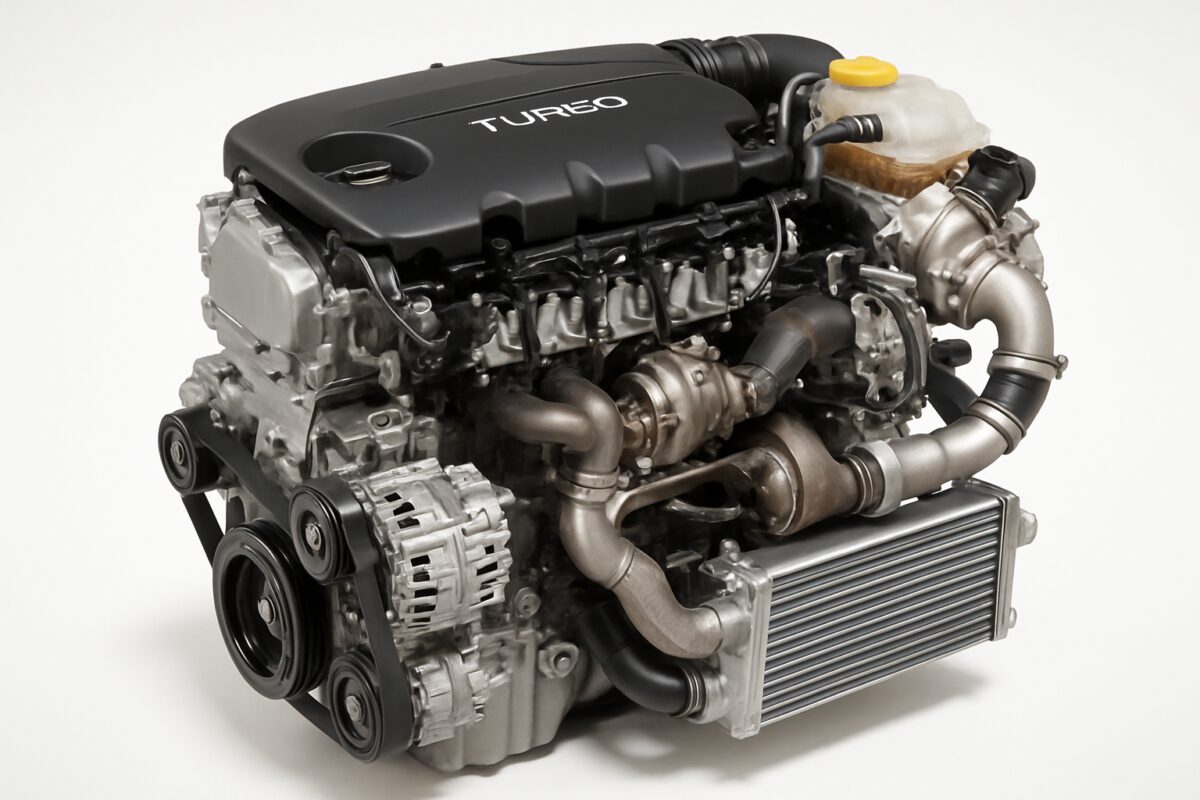
The flagship 2.0-litre four-cylinder turbocharged petrol engine powers the high-performance Astra variants. This 1,998cc unit delivers exceptional performance with advanced turbocharging technology and sophisticated engine management systems. The engine requires quality oil filter maintenance and runs best on premium unleaded fuel. This powerplant transforms the Astra into a genuine hot hatch competitor.
Pros
- Exceptional power and performance
- Advanced engine technology
- Thrilling driving experience
- Strong acceleration capabilities
- Premium build quality
Cons
- Significantly higher fuel consumption
- Expensive maintenance and servicing
- Premium fuel requirements
- High insurance costs
- Limited availability in used market
Maintenance cost
| Engine | Recommended Interval | Estimated Cost | Cost per 10,000 miles |
|---|---|---|---|
| 1.2 Turbo | 12 months/12,000 miles | £180-250 | £150-210 |
| 1.4 Turbo | 12 months/12,000 miles | £220-300 | £180-250 |
| 1.5 Diesel | 12 months/15,000 miles | £280-380 | £185-255 |
| 1.6 Turbo | 12 months/10,000 miles | £320-450 | £320-450 |
| 2.0 Turbo | 12 months/8,000 miles | £450-650 | £560-810 |
Engine Sound and Character
Each Astra engine delivers a distinct character that appeals to different driving preferences. The 1.2-litre three-cylinder produces a characteristic thrum at idle, though modern balancing systems minimise unwanted vibrations. Our AutoPartsPro mechanics note that whilst the engine sounds agricultural at startup, it smooths out considerably once warmed up.
The 1.4-litre four-cylinder offers refined operation with a subtle sporty note under acceleration. This engine represents the ideal compromise between refinement and character, delivering smooth power delivery without excessive noise. The diesel variant produces a typical compression ignition soundtrack, though modern sound deadening keeps cabin intrusion minimal.
Professional Tip: Regular air filter replacement helps maintain optimal engine sound and performance characteristics across all Astra engine variants.
Performance variants deliver increasingly aggressive soundtracks, with the 2.0-litre unit producing a genuine sports car growl under full acceleration. The exhaust note becomes more prominent as power increases, though refinement remains acceptable for daily use.
Who each Engine Is Best For
| Engine | Best For | Driving Style | Annual Mileage |
|---|---|---|---|
| 1.2 Turbo | Budget-conscious owners | City commuting | Under 10,000 miles |
| 1.4 Turbo | Daily commuters | Mixed driving | 10,000-15,000 miles |
| 1.5 Diesel | Long-distance drivers | Motorway cruising | Over 15,000 miles |
| 1.6 Turbo | Performance enthusiasts | Spirited driving | 8,000-12,000 miles |
| 2.0 Turbo | Hot hatch enthusiasts | Track days/performance | Under 8,000 miles |
Professional Tip: Consider your typical journey patterns when selecting an engine. Diesel variants excel on longer trips but may develop issues with short urban journeys due to DPF regeneration requirements.
Frequently Asked Questions (FAQ)
Which Opel Astra engine is most reliable?
The 1.5-litre diesel and 1.4-litre turbo petrol engines demonstrate the best long-term reliability records, with proper maintenance schedules followed consistently.
Do Opel Astra engines require premium fuel?
Only the high-performance 1.6 and 2.0-litre turbo engines benefit significantly from premium unleaded fuel, though all engines run adequately on standard grades.
How often should I change the engine oil in my Astra?
Most Astra engines require oil changes every 12,000 miles or annually, though high-performance variants may need more frequent servicing for optimal reliability.
Are Opel Astra diesel engines prone to DPF problems?
Modern Astra diesel engines can experience DPF issues if used primarily for short journeys, requiring regular motorway driving for proper regeneration cycles.
Which Astra engine offers the best fuel economy?
The 1.5-litre diesel engine delivers the best fuel economy, achieving up to 68 mpg in ideal conditions with careful driving techniques.

 Loading...