Heated car seats transform chilly winter journeys into comfortable experiences by warming your body through electric heating elements installed within the seat padding. These aftermarket upgrades typically cost between £150-£800 per seat depending on quality and installation complexity, making them an affordable luxury for most UK drivers who want year-round comfort without running expensive cabin heating systems.
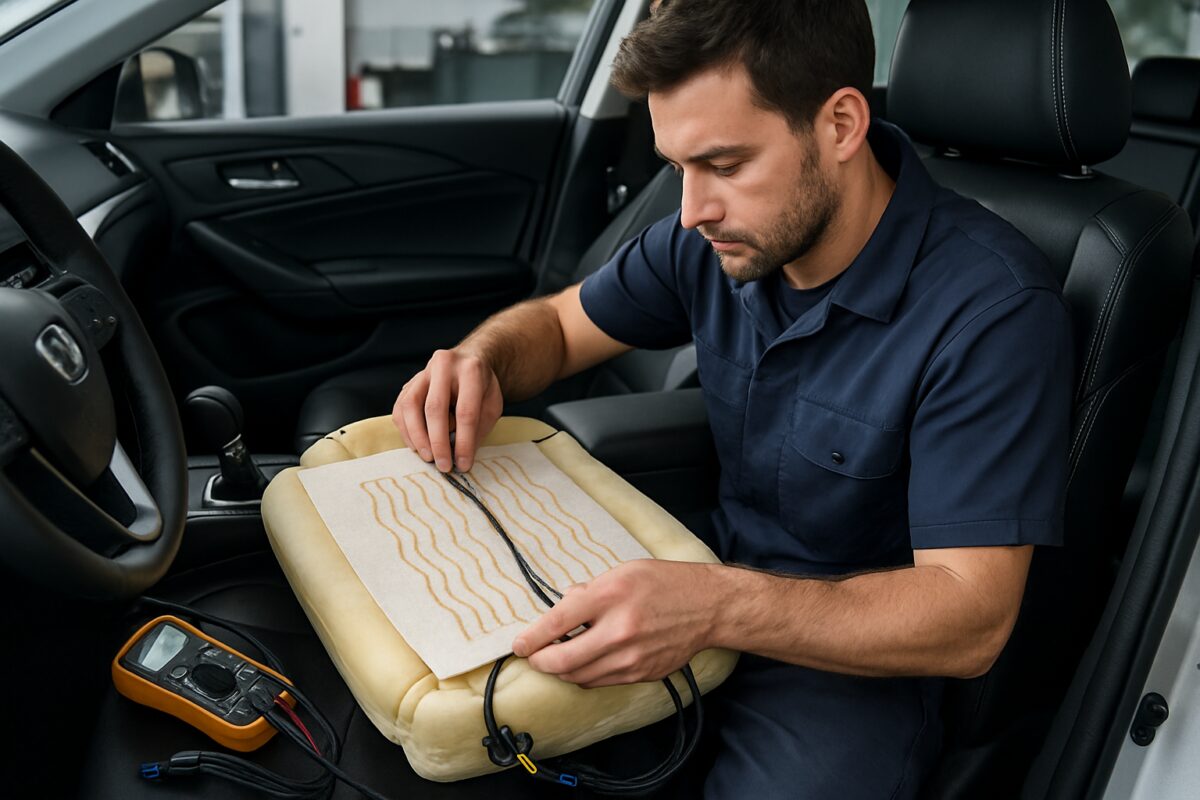
Modern heated seat systems work through carbon fibre or wire heating elements woven into seat cushions and backrests. When activated, these elements generate controlled heat that radiates through fabric or leather upholstery.
The technology has evolved significantly from basic on/off switches to sophisticated multi-level temperature controls with automatic shut-off features. Premium systems even include memory settings that remember your preferred warmth level.
How heated seat systems work
Electric heating elements form the heart of every heated seat system. These thin wires or carbon fibre strips are carefully positioned throughout the seat structure to provide even heat distribution.
The control module regulates power flow to prevent overheating whilst maintaining consistent temperatures. Most systems include three to five heat settings, allowing drivers to customise warmth levels based on weather conditions and personal preference.
Power consumption remains relatively low, typically drawing between 3-5 amps per seat. This modest electrical demand means heated seats won’t significantly impact your vehicle’s battery or charging system performance.
Installation process and requirements
Professional installation ensures optimal performance and safety. The process begins with removing existing seat covers to access internal padding and framework.
Technicians carefully position heating elements to avoid pressure points that could cause hot spots or premature wear. Proper placement prevents interference with airbag systems and maintains original seat comfort characteristics.
Electrical connections require routing power cables through vehicle wiring harnesses. This step demands expertise to avoid damaging existing electrical systems or compromising safety features.
Key installation steps
The installation process follows specific procedures to ensure safety and functionality:
- Remove seat covers and padding completely
- Install heating elements according to manufacturer specifications
- Route wiring through seat structure avoiding moving parts
- Connect power supply to vehicle electrical system
- Install control switches in accessible dashboard locations
- Test all functions before reassembling seats
Essential tools and materials
Professional installation requires specific equipment:
- Multimeter for electrical testing
- Automotive wiring kit with appropriate gauge cables
- Seat removal tools and trim panel removers
- Heat gun for vinyl or leather seat cover removal
- Wire crimping tools and electrical connectors
Cost breakdown and budgeting
Installation costs vary significantly based on vehicle type, seat material, and system complexity. Basic aftermarket kits start around £150 per seat, whilst premium systems with advanced features can exceed £800.
Labour charges typically range from £200-£400 depending on installation complexity. Vehicles with leather seats or complex electrical systems require additional time and expertise, increasing overall costs.
| System Type | Kit Cost | Installation | Total Cost |
|---|---|---|---|
| Basic fabric seats | £150-£300 | £200-£300 | £350-£600 |
| Premium fabric/vinyl | £300-£500 | £250-£350 | £550-£850 |
| Leather seat upgrade | £500-£800 | £300-£400 | £800-£1200 |
Factors affecting installation costs
Several variables influence final pricing for heated seat installation:
- Seat material complexity: Leather requires specialised techniques
- Vehicle access: Some cars have difficult seat removal procedures
- Electrical integration: Modern vehicles need careful computer system consideration
- Switch placement: Custom dashboard modifications increase labour time
- Warranty coverage: Professional installation maintains vehicle warranties
Types of heated seat systems available
Aftermarket heated seat options cater to different budgets and performance requirements. Understanding available technologies helps you make informed purchasing decisions.
Carbon fibre heating elements represent the premium choice, offering rapid warming, even heat distribution, and exceptional durability. These systems heat faster than traditional wire elements whilst consuming less power.
Wire-based heating systems provide reliable performance at lower costs. Though they take longer to warm up, they offer consistent heat output and easier repair if problems develop.
System comparison
| Feature | Carbon Fibre | Wire Elements | Heated Pads |
|---|---|---|---|
| Warm-up time | 30-60 seconds | 2-3 minutes | 3-5 minutes |
| Power consumption | Low (3A) | Medium (4A) | High (5A) |
| Durability | Excellent | Good | Fair |
| Installation difficulty | Professional | Professional | DIY possible |
Alternative heating solutions
Several alternatives provide warmth without permanent seat modifications. These options suit renters, lease vehicles, or drivers wanting removable solutions.
Heated seat cushions plug into 12V outlets and provide instant warmth through removable pads. Though less elegant than built-in systems, they offer flexibility and lower costs.
Heated steering wheel covers work alongside seat heating to create comprehensive warmth. These accessories heat hands whilst heated seats warm your body core.
Portable heating options
- 12V heated cushions: Plug-in convenience with adjustable temperature
- USB-powered pads: Use power banks or vehicle USB ports
- Battery-heated vests: Wearable warmth independent of vehicle power
- Heated blankets: 12V travel blankets for passenger comfort
Maintenance and troubleshooting
Proper maintenance extends heated seat system lifespan and ensures reliable operation. Regular cleaning prevents dirt accumulation that could interfere with heat distribution or cause electrical problems.
Avoid using harsh chemicals or excessive moisture when cleaning heated seats. These substances can damage heating elements or electrical connections, leading to expensive repairs.
Common problems include uneven heating, complete heating failure, or control switch malfunctions. Most issues stem from damaged wiring connections or worn heating elements requiring professional diagnosis.
> **Professional Tip:** Always disconnect your vehicle’s battery before performing any electrical work on heated seat systems to prevent short circuits or damage to sensitive electronic components.
Safety considerations and regulations
Safety remains paramount when installing or using heated seat systems. Faulty installations can cause fires, electrical shorts, or interference with critical vehicle systems like airbags.
UK regulations require professional installation for insurance compliance. DIY installations might void vehicle warranties or create liability issues in case of accidents or electrical problems.
Temperature regulation prevents burns or overheating. Quality systems include automatic shut-off features that activate after predetermined time periods or when excessive temperatures occur.
Our Autopartspro specialists strongly recommend professional installation to ensure proper integration with your vehicle’s electrical system. This approach guarantees safety whilst maintaining warranty coverage and optimal performance. Quality heated seat systems provide years of reliable comfort when properly installed and maintained, making them excellent investments for UK drivers facing harsh winter conditions.
Frequently Asked Questions (FAQ)
How long do heated car seats take to warm up?
Most heated seats reach comfortable temperatures within 2-5 minutes, with premium carbon fibre systems heating up in just 30-60 seconds after activation.
Can heated seats drain my car battery?
Heated seats draw minimal power (3-5 amps) and won’t drain your battery during normal operation, but leaving them on whilst engine is off could cause problems.
Are aftermarket heated seats safe to install?
Professional installation ensures safety compliance with UK regulations and maintains vehicle warranties, making aftermarket heated seats completely safe when properly fitted.
Do heated seats work with leather upholstery?
Yes, heated seats work excellently with leather seats, though installation requires specialised techniques to avoid damaging expensive leather surfaces during the process.
How much electricity do heated car seats use?
Heated seats typically consume 30-60 watts per seat, similar to a household light bulb, making them very economical compared to running cabin heating systems.

 Loading...