The Mercedes C-Class W205, produced from 2014 to 2021, represents a significant step forward in luxury and technology. However, like any complex automotive engineering marvel, this generation has developed a reputation for specific recurring issues that affect thousands of owners across the UK. Understanding these problems before they escalate can save you substantial repair costs and prevent unexpected breakdowns.
Engine bay oil leaks and consumption issues
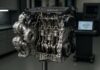
One of the most prevalent concerns affecting W205 models centres around excessive oil consumption and persistent leakage from various engine components. The M274 and M276 engines commonly suffer from valve cover gasket failures, leading to oil seepage onto hot exhaust components.
This problem typically manifests between 40,000 to 80,000 miles. Owners frequently report burning oil odours, particularly during extended motorway driving. The issue stems from inferior gasket materials that deteriorate under high operating temperatures.
Additionally, the crankcase breather system often becomes clogged with carbon deposits, causing increased internal pressure. This leads to accelerated wear of seals and gaskets throughout the engine bay. Regular inspection of your engine oil levels becomes crucial for early detection.
Gearbox malfunction and transmission problems
The 9G-Tronic automatic transmission, whilst generally reliable, experiences specific fault patterns that Mercedes technicians regularly encounter. Harsh shifting between third and fourth gear represents the most common complaint, particularly during cold starts or city driving conditions.
Programming issues within the transmission control module cause delayed gear engagement and erratic shift points. These symptoms often worsen during winter months when transmission fluid becomes thicker. Many owners describe a “hunting” sensation where the gearbox struggles to select appropriate ratios.
The valve body assembly within the transmission frequently requires replacement around 60,000 miles. This component controls hydraulic pressure distribution and becomes contaminated with metallic particles over time. Symptoms include pronounced transmission whine and jerky acceleration patterns.
Electrical system faults and module failures
W205 models suffer from widespread electrical gremlins that can leave owners stranded unexpectedly. The central gateway module, responsible for communication between various systems, fails with alarming regularity after approximately 50,000 miles.
Common symptoms include randomly activating warning lights, intermittent loss of radio and navigation functions, and erratic behaviour from the air conditioning system. The battery management system also experiences programming corruption, leading to premature battery replacement requirements.
Door handle sensors frequently malfunction, preventing keyless entry operation. This forces owners to use traditional key methods, defeating the convenience features they paid premium prices to obtain. The issue particularly affects driver-side handles due to increased usage frequency.
Air suspension complications and ride quality deterioration
Models equipped with Air Body Control (ABC) suspension face expensive repair scenarios when components begin failing. The front strut assemblies commonly develop internal seal failures around 70,000 miles, resulting in gradual height loss and uneven vehicle stance.
The suspension compressor works overtime compensating for leaking components, leading to premature failure and reduced system efficiency. Owners notice increased road noise and harsh ride quality as the system struggles to maintain proper damping characteristics.
Air spring replacement costs can exceed £1,500 per corner at Mercedes dealerships. The shock absorber assemblies require specialised tools and programming procedures, making DIY repairs impractical for most enthusiasts.
Warning signs your car has a problem
Recognising early symptoms can prevent minor issues from developing into major repair bills:
- Burning oil smells during motorway driving
- Harsh gear changes, particularly when cold
- Warning lights appearing intermittently
- Uneven tyre wear patterns
- Reduced ride height on one corner
- Electrical functions operating erratically
- Excessive engine oil consumption between services
- Transmission whining during acceleration
How to fix the problems
| Problem | DIY Solution | Professional Repair | Estimated Cost |
|---|---|---|---|
| Oil leaks | Monitor levels, identify source | Replace gaskets and seals | £300-£800 |
| Transmission issues | Check fluid level, reset adaptation | Software update, valve body replacement | £500-£2,500 |
| Electrical faults | Battery voltage check, fuse inspection | Module replacement, coding | £200-£1,200 |
| Suspension problems | Visual inspection only | Component replacement, system calibration | £800-£3,000 |
Always use genuine Mercedes parts when replacing critical components. Aftermarket alternatives may void warranties and cause additional system complications.
For transmission problems, consider having the software updated at an authorised Mercedes centre before replacing hardware components. Many shifting issues resolve with programming updates that cost significantly less than mechanical repairs.
When to see a mechanic
Immediate professional attention becomes necessary when warning lights illuminate on the dashboard, particularly those related to engine management or transmission systems. Any unusual noises from the engine bay or transmission require prompt investigation.
Don’t delay seeking help if you notice oil spots under your parked vehicle. What begins as minor seepage can quickly escalate to major leakage requiring expensive repairs. Our specialists at Autopartspro recommend annual inspections focusing on common failure points.
Schedule preventive maintenance every 12 months, even if the car seems fine. Early detection prevents most expensive repairs.
| Service Interval | Key Checks | Typical Cost |
|---|---|---|
| Annual inspection | Oil levels, electrical functions, suspension height | £120-£200 |
| Major service (40,000 miles) | Transmission fluid, air filter, comprehensive diagnostics | £400-£600 |
| Component replacement | Failed parts, programming, calibration | £200-£3,000 |
Frequently asked questions
What year C-Class W205 is most reliable?
The 2018-2019 model years show improved reliability after Mercedes addressed early production issues with software updates and component revisions.
How expensive is W205 maintenance compared to other luxury cars?
Annual maintenance costs typically range £800-£1,500, which aligns with BMW 3 Series and Audi A4 ownership expenses.
Can I prevent transmission problems with regular servicing?
Yes, changing transmission fluid every 40,000 miles significantly reduces valve body contamination and extends system life.
Are W205 electrical problems covered under extended warranties?
Most electrical faults receive coverage under Mercedes extended warranties, particularly gateway module and sensor failures within seven years.
Should I buy a W205 with known problems?
Purchase decisions depend on maintenance history and current condition. Well-maintained examples with service records offer excellent value despite known issues.
Final recommendation
The Mercedes C-Class W205 remains an excellent luxury saloon despite its documented reliability concerns. Understanding these issues allows informed purchasing decisions and proactive maintenance planning. Most problems respond well to early intervention, preventing expensive emergency repairs.
Our Autopartspro technical team recommends budgeting £1,000 annually for maintenance beyond standard servicing. This covers typical component replacements and prevents small issues from becoming major problems. Choose genuine or OEM equivalent parts to maintain system integrity and preserve warranty coverage.
Consider professional diagnostics annually, particularly for vehicles approaching 50,000 miles. The investment in preventive care typically saves money compared to reactive repairs. With proper maintenance, the W205 delivers years of reliable luxury motoring.

 Loading...